• March 28th, 2026

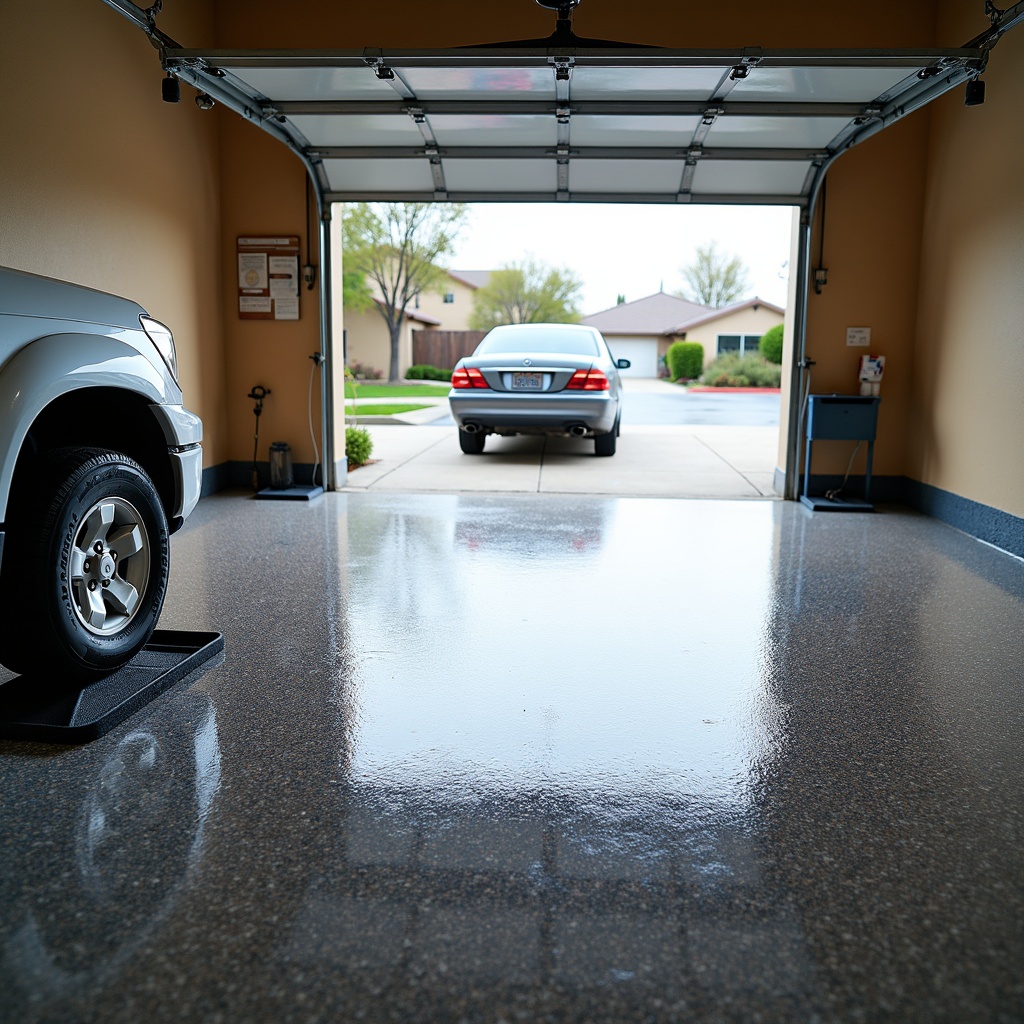
    Bubbles in your Northridge garage epoxy floor can result from outgassing, moisture, temperature fluctuations, or application errors. This comprehensive guide explains how to diagnose the severity of bubbling, when DIY repairs work versus professional intervention, and specific prevention strategies for Southern California's climate.
  • ❓ Frequently Asked Questions

    Can I fix bubbles in my Northridge epoxy garage floor myself?

    Small pinhole bubbles affecting less than 10% of your floor can often be fixed with DIY methods including sanding and touch-up coating. However, extensive bubbling, large blisters over 1/2 inch, or bubbles indicating moisture problems require professional repair. In Northridge's climate, temperature and moisture issues often need expert diagnosis to prevent recurrence. For floors in high-value homes or visible areas, professional repair delivers better aesthetic results and protects your property investment.

    What causes bubbles to form in epoxy floor coatings?

    Bubbles form primarily from four causes: outgassing (trapped air or gases in concrete rising through the coating), moisture in the concrete slab trying to escape, temperature fluctuations causing air expansion in concrete pores, and application errors like improper mixing or coating too thickly. In Northridge's warm San Fernando Valley climate, temperature-related outgassing is particularly common when concrete heats up during the day after morning application.

    How long after installation do epoxy floor bubbles typically appear?

    Most bubbles appear within 24-48 hours of epoxy application when outgassing or application issues are the cause. However, moisture-related bubbling can appear days, weeks, or even months later as changing environmental conditions affect the concrete slab. Bubbles in older coatings (years after installation) typically indicate new moisture sources, foundation changes, or coating deterioration allowing water penetration. Professional assessment can determine the cause based on timing and bubble characteristics.

    Will bubbles in my epoxy floor get worse over time?

    Small cosmetic bubbles caused by air entrapment typically don't worsen and may only affect appearance. However, moisture-driven bubbles often expand and multiply as water continues migrating through the concrete, eventually causing coating delamination. In Northridge's climate, seasonal temperature swings can cause existing bubbles to enlarge. Addressing the root cause promptly prevents progressive damage and more expensive repairs. Professional moisture testing determines whether bubbles will remain stable or continue spreading.

  • March 6th, 2026

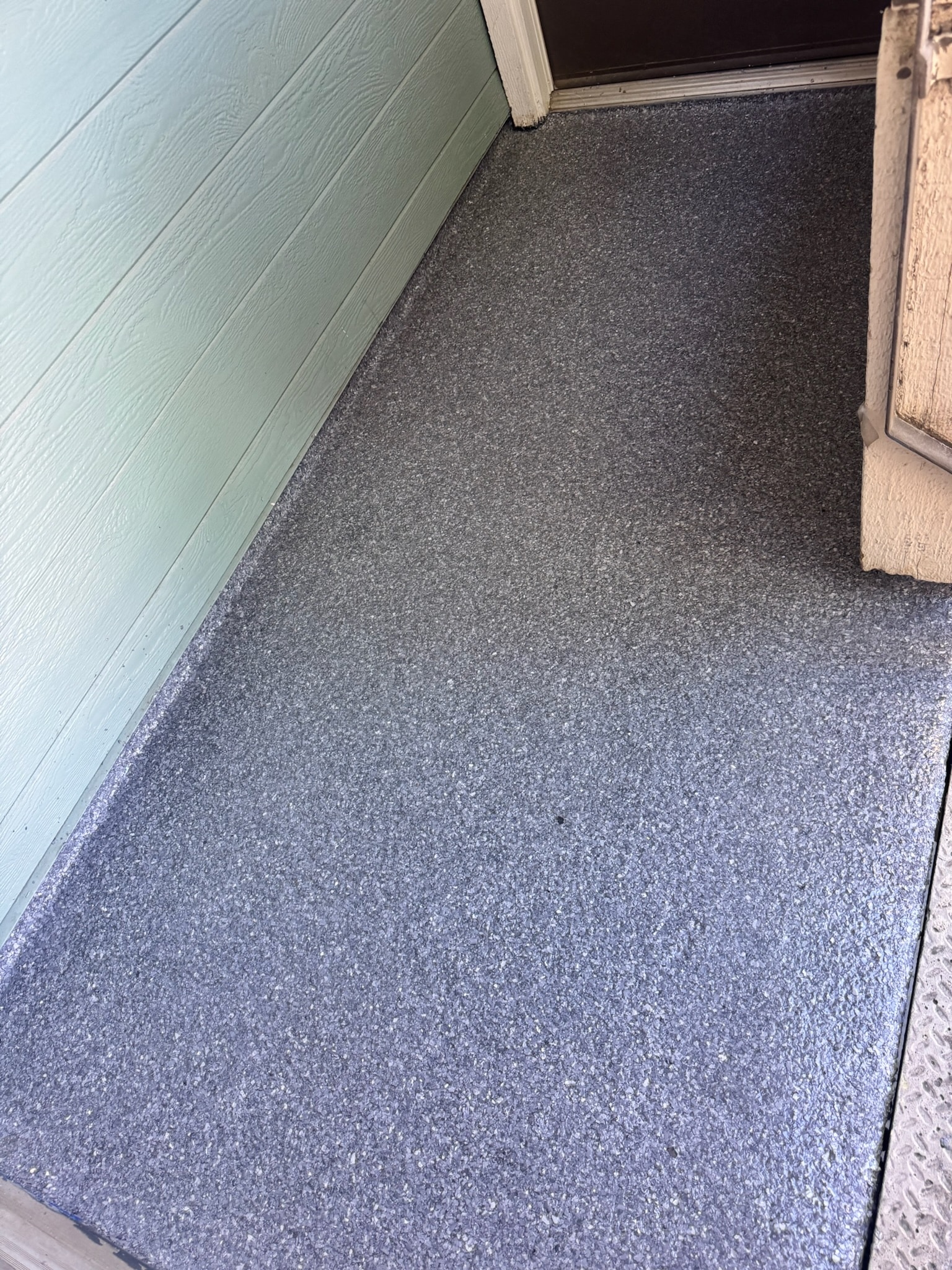
    Apartment stair landings experience heavy foot traffic every day. Epoxy flooring provides a long-lasting, slip-resistant surface ideal for multi-family properties.
  • February 27th, 2026

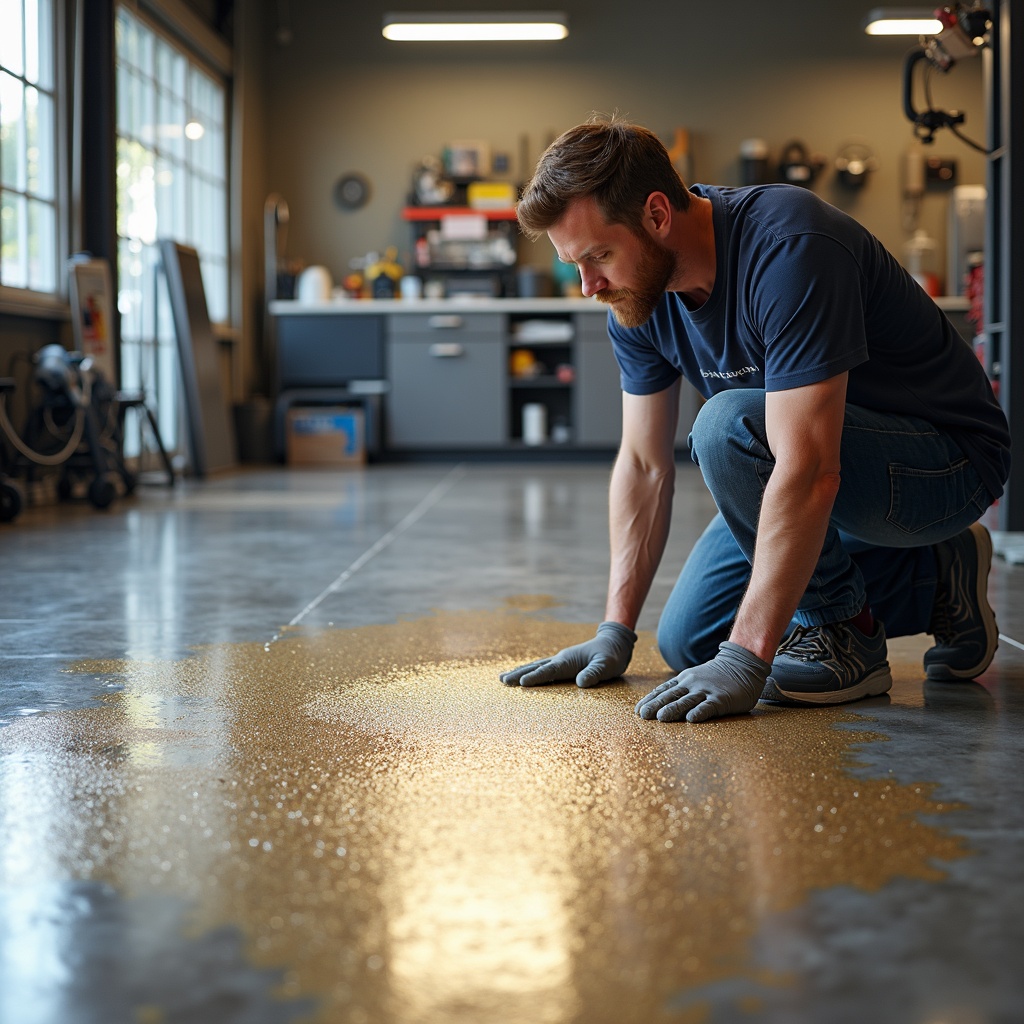
    Summer heat in Northridge creates unique challenges for garage floor epoxy installation. Discover the prep strategies, timing windows, and moisture management techniques that ensure successful coatings despite Valley temperatures.

  • ❓ Frequently Asked Questions

    What's the ideal surface temperature for applying garage floor epoxy in Northridge during summer?

    Concrete surface temperatures should stay between 55°F and 85°F during epoxy application. In Northridge's summer heat, this typically means working between 6 AM and 10 AM before surfaces exceed safe ranges. Professional installers use infrared thermometers to continuously monitor temps and stop application if readings climb above 85°F, as overheated concrete causes rapid curing that traps air bubbles and prevents proper adhesion.

    How does summer moisture vapor transmission affect epoxy coating success in Northridge garages?

    Summer heat pulls ground moisture upward through concrete slabs at rates three times higher than winter, creating vapor pressure that can cause epoxy delamination weeks after installation. In Northridge, especially near irrigated areas, calcium chloride tests often show emission rates requiring vapor barrier primers or extended drying periods. Five Star Epoxy & Coatings performs comprehensive moisture testing before every summer installation to ensure long-term adhesion.

    Can I have epoxy installed in my Northridge garage during July and August?

    Yes, but it requires specialized summer protocols including early-morning application windows, enhanced moisture testing, and controlled curing environments. Professional installers schedule work to complete epoxy application before 10 AM, allowing initial cure during cooler overnight hours when Northridge temperatures stabilize in the 70s. This approach compensates for the Valley's extreme diurnal temperature swings that can stress curing coatings.

    Why do Northridge garage floors need different prep during summer compared to winter?

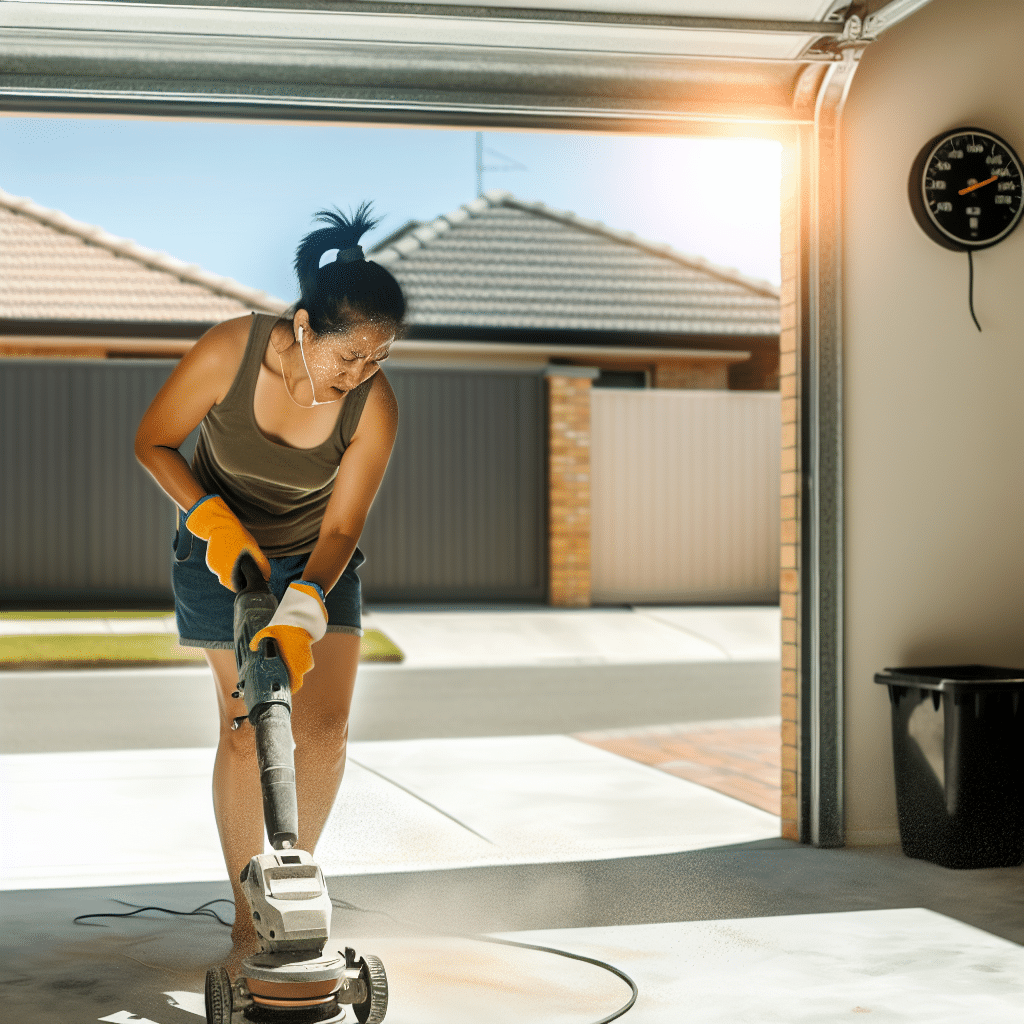
    Hot concrete requires modified diamond grinding techniques to prevent thermal shocking and additional dust control measures since dry summer air increases static-driven particle contamination. Starting temperatures of 85°F mean mechanical prep can push surfaces into dangerous ranges, so installers work in sections with cooling breaks and industrial fans. These summer-specific adjustments ensure proper surface profile without compromising coating adhesion—critical for installations that need to last 15+ years.

    🏘️ Same Topic in Nearby Cities