
❓ Frequently Asked Questions
What's the ideal surface temperature for applying garage floor epoxy in Northridge during summer?
Concrete surface temperatures should stay between 55°F and 85°F during epoxy application. In Northridge's summer heat, this typically means working between 6 AM and 10 AM before surfaces exceed safe ranges. Professional installers use infrared thermometers to continuously monitor temps and stop application if readings climb above 85°F, as overheated concrete causes rapid curing that traps air bubbles and prevents proper adhesion.
How does summer moisture vapor transmission affect epoxy coating success in Northridge garages?
Summer heat pulls ground moisture upward through concrete slabs at rates three times higher than winter, creating vapor pressure that can cause epoxy delamination weeks after installation. In Northridge, especially near irrigated areas, calcium chloride tests often show emission rates requiring vapor barrier primers or extended drying periods. Five Star Epoxy & Coatings performs comprehensive moisture testing before every summer installation to ensure long-term adhesion.
Can I have epoxy installed in my Northridge garage during July and August?
Yes, but it requires specialized summer protocols including early-morning application windows, enhanced moisture testing, and controlled curing environments. Professional installers schedule work to complete epoxy application before 10 AM, allowing initial cure during cooler overnight hours when Northridge temperatures stabilize in the 70s. This approach compensates for the Valley's extreme diurnal temperature swings that can stress curing coatings.
Why do Northridge garage floors need different prep during summer compared to winter?
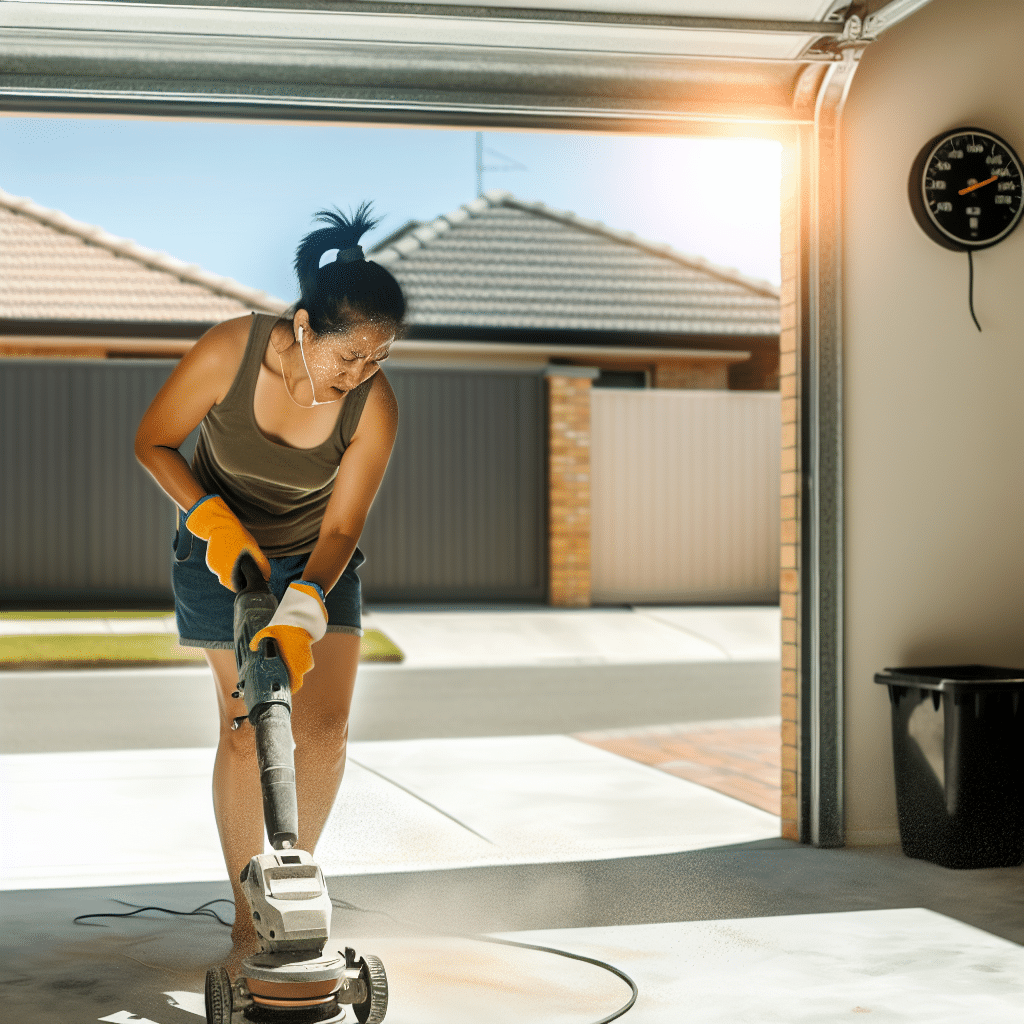
Hot concrete requires modified diamond grinding techniques to prevent thermal shocking and additional dust control measures since dry summer air increases static-driven particle contamination. Starting temperatures of 85°F mean mechanical prep can push surfaces into dangerous ranges, so installers work in sections with cooling breaks and industrial fans. These summer-specific adjustments ensure proper surface profile without compromising coating adhesion—critical for installations that need to last 15+ years.