
• May 13th, 2026

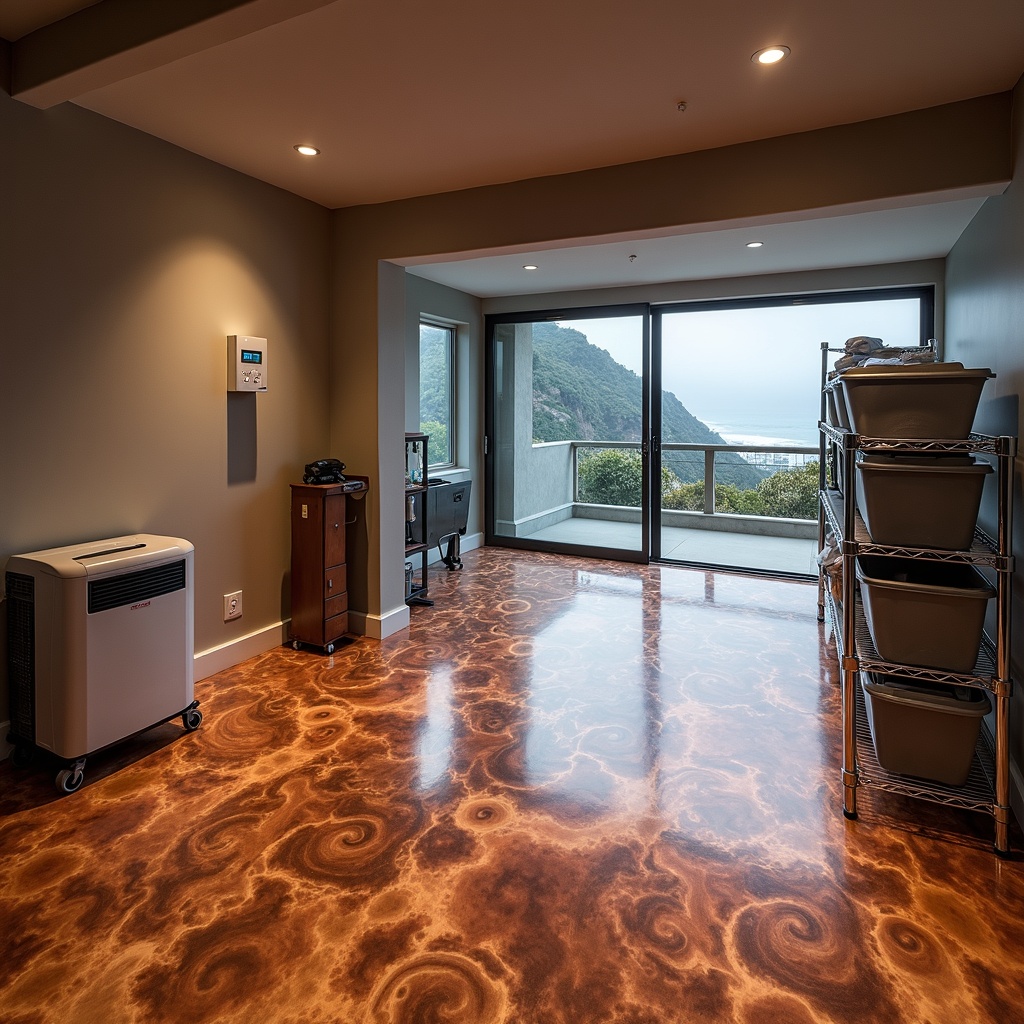
    Winter moisture threatens Malibu metallic epoxy basements through condensation, temperature swings, and seasonal storage mistakes. Act now with these 8 essential protection steps before damage occurs.
  • ❓ Frequently Asked Questions

    How often should I check humidity levels in my Malibu basement during winter?

    Check humidity readings at least weekly during winter months, with daily monitoring recommended during and immediately after rainstorms. Install a smart hygrometer that alerts you when levels exceed 45% so you can activate dehumidification immediately before moisture damages your metallic epoxy coating.

    Can I install metallic epoxy flooring in winter, or should I wait until spring?

    Winter installation is possible in Malibu's mild climate if basement humidity stays below 60% and temperatures remain above 55°F during application and curing. Professional contractors use moisture meters to verify slab conditions meet manufacturer specifications before proceeding with metallic epoxy application regardless of season.

    What causes metallic epoxy floors to sweat during Malibu winters?

    Floor sweating occurs when warm, humid air contacts cool concrete slabs, causing condensation on the non-porous epoxy surface. Malibu's temperature fluctuations between cool Pacific marine air and warmer inland conditions create ideal conditions for this phenomenon, which consistent basement heating and dehumidification can prevent.

    Should I contact Five Star Epoxy & Coatings if I see bubbles forming in my basement floor?

    Yes, contact professionals immediately when bubbles appear, as they indicate moisture vapor transmission pushing up beneath the coating. Early intervention allows spot repairs using moisture-tolerant primers, while delayed response often requires complete floor removal and replacement at significantly higher cost.

  • April 18th, 2026

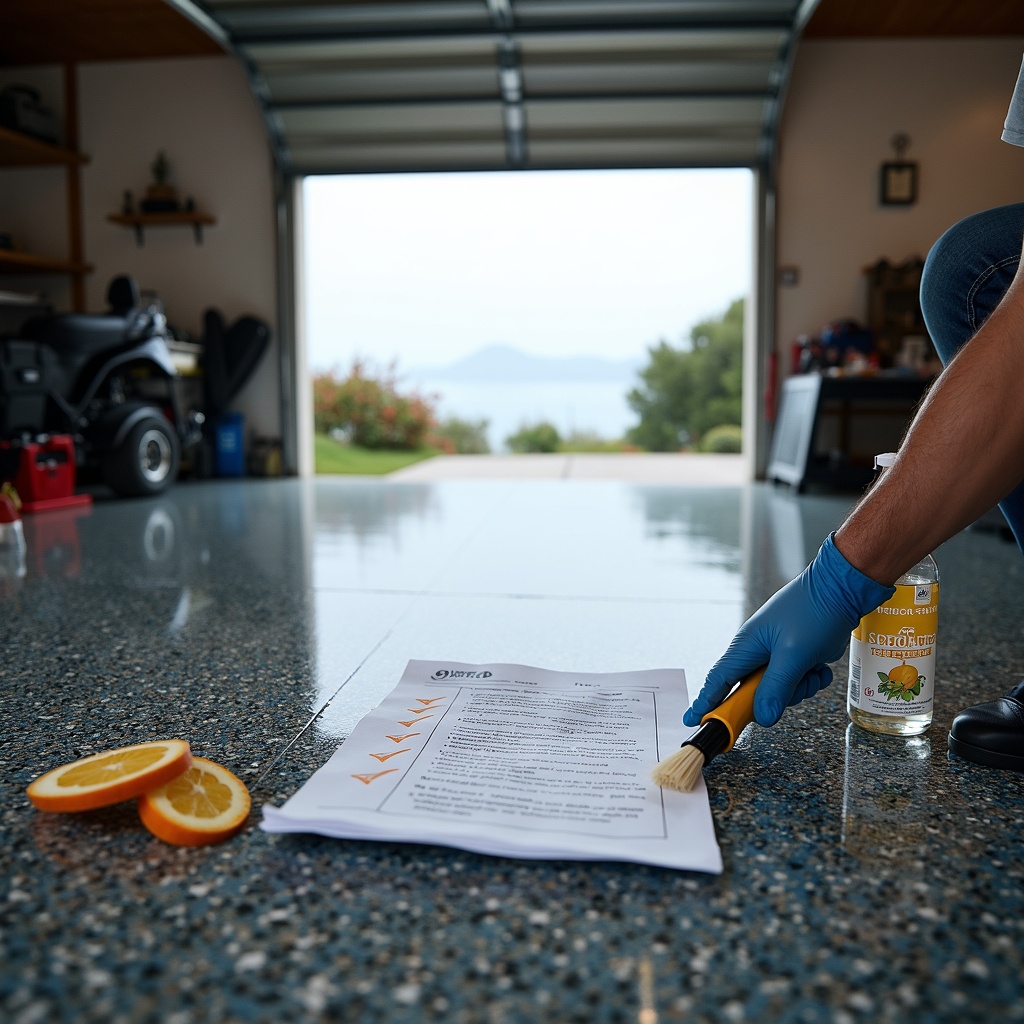
    A Point Dume homeowner's attempt to remove tire marks with acetone resulted in a $3,000 repair bill. This step-by-step checklist shows Malibu residents how to safely diagnose and fix tire marks without damaging their garage floor epoxy.

  • ❓ Frequently Asked Questions

    How long does it take for tire marks to become permanent on garage floor epoxy?

    Tire marks become progressively harder to remove the longer they sit. Fresh marks from plasticizer transfer can often be cleaned within minutes using dish soap, while marks left for several weeks may penetrate the coating surface and require specialized citrus-based cleaners or professional intervention to fully remove.

    Can hot tire pickup happen on properly installed garage epoxy in Malibu's climate?

    Yes, but it's far less common with quality installations. Malibu's moderate coastal temperatures (typically 49°F to 76°F year-round) reduce tire heating compared to inland valleys, but hot tire pickup can still occur if low-grade water-based coatings were used or if the floor wasn't allowed proper cure time before vehicle traffic.

    What's the difference between tire marks and hot tire pickup on epoxy floors?

    Tire marks are surface discoloration from rubber plasticizers that can usually be cleaned with appropriate products. Hot tire pickup is actual coating failure where the epoxy peels away from the concrete, requiring professional repair rather than cleaning. Run your fingernail across the area — if the coating is lifting or peeling, it's hot tire pickup.

    Should I hire Five Star Epoxy & Coatings if my DIY cleaning damaged my garage floor?

    Absolutely. If aggressive solvents or abrasive tools have dulled, scratched, or stripped areas of your epoxy coating, Five Star Epoxy & Coatings can assess the damage and recommend spot repairs or professional recoating. We serve all Malibu neighborhoods and use commercial-grade systems designed to prevent both tire marks and coating failures common with DIY products.