When a DIY Fix Turns Into a $3,000 Mistake
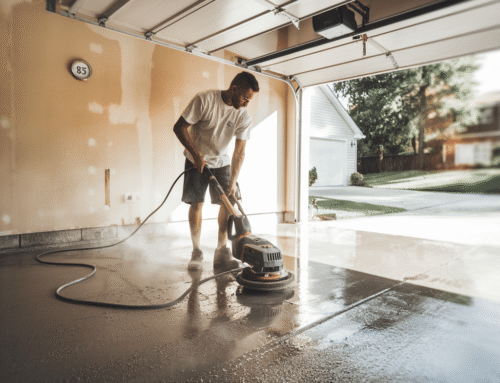
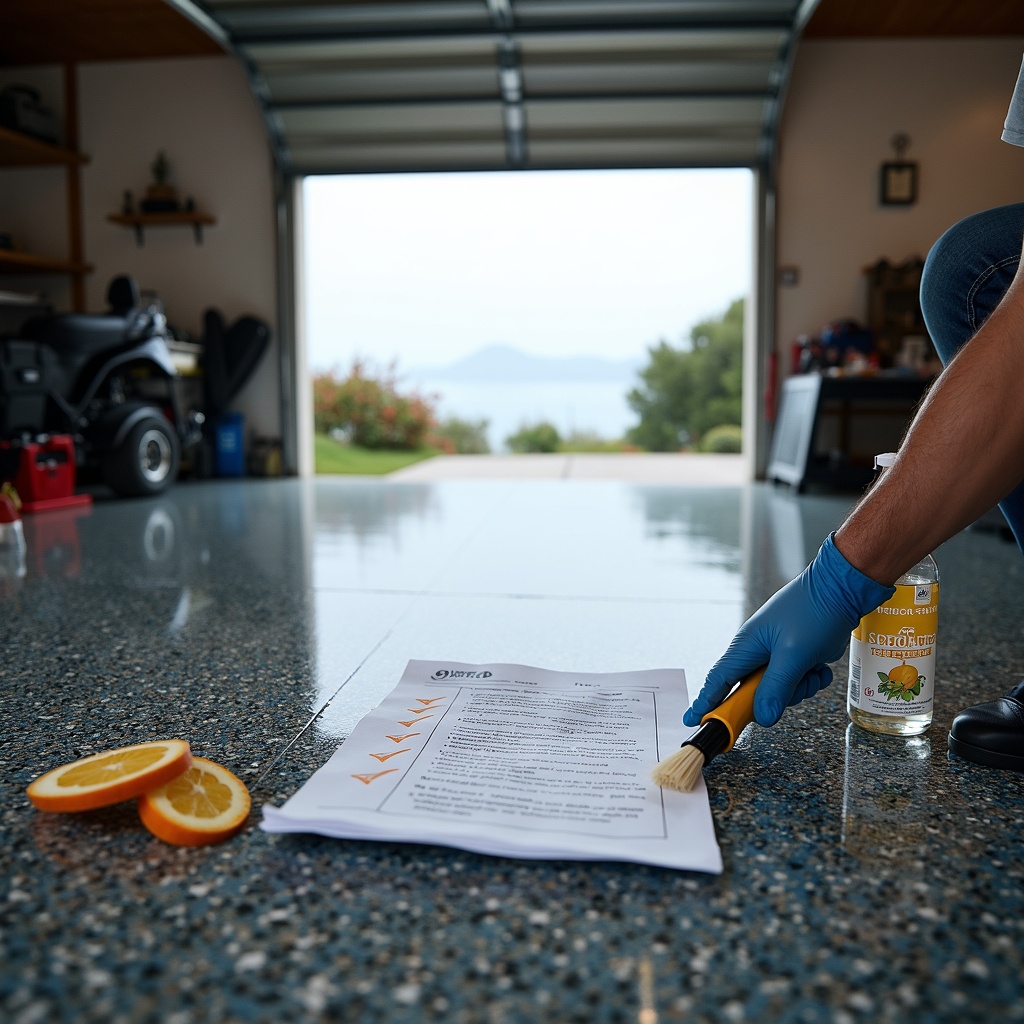
Last summer, a Point Dume homeowner decided to tackle stubborn tire marks on his garage floor epoxy using a popular internet hack: undiluted acetone and a wire brush. Within minutes, the aggressive solvent had stripped not just the tire marks, but also the polyaspartic topcoat in a three-foot radius. The wire brush gouged permanent scratches into the base layer. What started as a simple cleaning project ended with a professional resurfacing bill exceeding three thousand dollars and two weeks without garage access during Malibu’s busiest tourist season.
📋 In This Guide
This cautionary tale highlights why understanding the difference between surface rubber transfer and coating failure matters. Tire marks often result from plasticizers that leach out of hot tires and can migrate into lower quality coatings, but not all marks indicate the same problem. Some wipe away with dish soap, while others signal deeper adhesion issues that no amount of scrubbing will fix. This checklist guide will help you diagnose what you’re actually dealing with and choose the right solution for epoxy flooring services in Malibu.
□ Checklist Step 1: Identify Whether You Have Surface Transfer or Coating Failure
Before you grab any cleaning product, you need to determine what type of tire mark you’re facing. This five-minute diagnostic prevents wasted effort and potential damage.
Surface Transfer Marks (Cleanable)
Visual test: The mark appears as a brown or black discoloration sitting on top of the coating. When you run your fingernail across it, the surface feels smooth with no texture change. Tire rubber sticks to epoxy flooring because of plasticizers — chemical additives that keep rubber flexible. Vehicle tires reach 135-150°F after highway driving, and this heat transfers directly to the floor surface.
Touch test: Press a damp microfiber cloth against the mark for 30 seconds. If any discoloration transfers to the cloth, you’re dealing with surface rubber transfer, not coating failure.
Hot Tire Pickup (Coating Failure)
Visual test: Patches of coating peel up or pull away where car tires sit. You’ll see exposed concrete or a different color underneath. The edges of the affected area may be raised or curling.
Physical test: Hot tire pickup occurs when a vehicle tire warms up from driving and sits on a coated floor; the heat softens the coating, then when the tire cools and contracts, it grips the softened floor and can rip the coating off. Try to lift the edge with your fingernail — if it peels easily, you have adhesion failure that requires professional repair, not just cleaning.
Decision point: If you identified coating failure, skip to the professional repair section. If you have surface transfer, proceed to cleaning methods.
□ Checklist Step 2: Gather the Right Cleaning Materials (Never Harsh Solvents)
The biggest mistake Malibu homeowners make is reaching for the strongest chemical in the garage. Professional Five Star Epoxy & Coatings installers recommend starting mild and escalating only when necessary.
Tier 1: First-Attempt Cleaning (Start Here)
- Warm water (not hot — excessive heat can stress the coating)
- pH-neutral dish soap (Dawn or similar)
- Soft-bristle brush or non-abrasive sponge
- Microfiber mop or cloths
For relatively new epoxy floors with fresh tire marks, warm water and dish soap mixed together with a soft cloth can gently scrub away marks. This handles 60% of tire marks in coastal Malibu garages where moderate temperatures keep plasticizer transfer minimal.
Tier 2: Moderate-Strength Cleaners
- Citrus-based degreaser (Simple Green, Krud Kutter)
- Ammonia solution (1/2 cup per gallon of warm water)
- White vinegar solution (1:1 ratio with water)
Heavy-duty citrus-based degreasers or specialized industrial solvents designed for polymer coatings work well, with citrus degreaser being among the most effective. You can use biodegradable cleansers like Simple Green’s concrete degreaser, ammonia, or even ammonia-based window cleaners like Windex — mix 1/2 cup with 1 gallon of warm water.
Tier 3: Specialty Products (Last Resort for Surface Marks)
- Goof Off (Professional Strength) — effective but may dull glossy finishes
- D-Limonene-based tire mark removers
D-Limonene-based cleaners bond with rubber to remove stains from flooring; apply directly to tire marks at full strength and scrub with a cleaning pad — the longer it sits, the better it works. However, understand the trade-off: Goof Off will take just about anything off epoxy floors, but it will make the floor dull.
What to NEVER Use
- Undiluted acetone or paint thinner (dissolves topcoats)
- Wire brushes or steel wool (creates permanent scratches)
- Muriatic acid (only for professionals during recoating)
- Power washers above 1,500 PSI (can delaminate coating)
□ Checklist Step 3: Follow the Correct Removal Technique
Even the right product fails if applied incorrectly. This step-by-step protocol comes from our process for maintaining garage floors in Malibu’s beach neighborhoods where salt air and sand add complicating factors.
Preparation Phase
- Clear the area: Remove vehicles and any items covering the marks
- Sweep or vacuum: Remove all loose debris (sand is particularly abrasive along Malibu’s coastal areas)
- Test in hidden spot: Try your chosen cleaner on an inconspicuous area near the garage door threshold
Application Phase
- Apply cleaner generously: Let it sit for three to five minutes — for citrus cleaners, spray enough to completely cover tire marks
- Work in circular motions: Use moderate pressure with your brush or sponge, focusing on the center of the mark first
- Avoid excessive scrubbing: If marks don’t lift after two minutes of work, you need a stronger product, not more elbow grease
- Rinse thoroughly: Scrub marks with the rough side of a sponge, then mop the floor with clean water to remove any cleaning residue and allow it to dry
Evaluation Phase
Once dry, inspect under good lighting. Remaining faint shadows often indicate plasticizers that have penetrated the coating. It might be very challenging if not impossible to eliminate all tire marks once they’ve been absorbed into the epoxy pigment — the most effective approach may be cleaning with muriatic acid and applying a topcoat, which requires professional expertise.
□ Checklist Step 4: Prevent Future Tire Marks with Malibu-Specific Strategies
Coastal Malibu’s climate creates unique conditions. Summers are short, comfortable, arid, and clear, while winters are long, cool, wet, and partly cloudy — temperatures typically vary from 49°F to 76°F. The city enjoys 300 days of sunshine annually, with summer temperatures in the mid-70s to mid-80s Fahrenheit. This moderate climate means tire heating is less extreme than inland valleys, but prevention still matters.
| Prevention Method | Effectiveness | Best For |
|---|---|---|
| Cool-Down Period Wait 15-20 minutes before parking |
High (free) | After PCH drives or freeway commutes |
| Tire Mats/Parking Pads DryMate or similar products |
Very High | Classic cars, long-term storage |
| Rotate Parking Spots Vary tire position by 6-12 inches |
Moderate | Daily drivers, prevents concentration |
| Quality Topcoat Polyaspartic or polyurea sealers |
Highest (requires pro install) | New installations, full recoats |
Coating Quality Matters Most
Commercial quality epoxies, polyurethanes, and polyureas resist tire staining much better than DIY kits — high-performance clear coats like polyurea and polyaspartics have especially dense cross-linking that makes it harder for plasticizers to migrate into the upper layer. If you’re considering a new installation or recoat, this is the single most important factor.
Cure Time Is Non-Negotiable
Epoxy and polyaspartic resins cure via chemical cross-linking and might feel dry to the touch in 12 hours, but they are not fully chemically hardened. Respect the manufacturer’s strict vehicle traffic wait time, especially in hot summer weather — for the first few weeks, consider parking on tire mats to give the floor an extra buffer while it achieves ultimate hardness. Even in Malibu’s moderate climate, rushing this timeline invites problems.
Regular Maintenance Schedule
The longer tire marks are left to cure on epoxy flooring, the more difficult they become to remove — regular cleaning of your garage floor is key, and when you notice black tire marks beginning to show, remove them as soon as possible. For Malibu homes near Malibu Canyon or Coral Canyon where dusty conditions prevail, weekly sweeping prevents abrasive grit from grinding marks deeper into the surface.
□ Checklist Step 5: Know When to Call a Professional Garage Floor Epoxy Contractor
Some situations exceed DIY capabilities. Recognizing these scenarios saves both money and frustration.
Professional Intervention Required When:
- Coating is peeling or bubbling: This indicates adhesion failure, not just surface contamination. See our guide on garage floor bubble repair for related issues
- Marks reappear in the same spots within days: The coating may have been compromised during installation due to inadequate concrete preparation
- DIY cleaning has dulled or damaged the finish: Professional recoating can restore uniformity
- The floor is more than 7-10 years old: Aged coatings lose chemical resistance; topcoat replacement may be more cost-effective than repeated cleaning
What Professional Remediation Involves
A qualified garage floor epoxy contractor will assess whether spot repair or full recoating makes sense. Repairing hot tire pickup damage involves removing all damaged and loose material, cleaning the surface thoroughly, and applying a high-quality coating to ensure strong bond and durability. For Malibu properties in neighborhoods like Point Dume or Encinal Bluffs where home values justify premium finishes, investing in professional-grade polyaspartic topcoats provides long-term protection that far exceeds DIY product performance.
Get Expert Help for Stubborn Marks or Coating Problems
If you’ve worked through this checklist and still face persistent tire marks, or if you’ve identified coating failure rather than surface transfer, it’s time to consult specialists who understand both the technical aspects of epoxy chemistry and the specific environmental factors affecting Malibu garage floors. The same salt air that makes living near Malibu Beach or the Malibu Pier so appealing can accelerate coating degradation if the wrong products were used initially.
Five Star Epoxy & Coatings serves the entire 90265 area with professional diagnostic services, targeted repairs, and complete recoating solutions. Our installations use commercial-grade systems designed to resist both hot tire pickup and the environmental stresses common to coastal Southern California. We understand the difference between a $200 cleaning solution and a $3,000 mistake — and we can help you avoid both.
Whether you need a second opinion on existing marks, want to upgrade to a more durable coating system, or require repairs after DIY attempts went wrong, our team brings the expertise and materials that transform problematic garage floors into long-lasting, low-maintenance surfaces. Don’t let tire marks diminish your home’s functionality or appearance.