
• April 14th, 2026

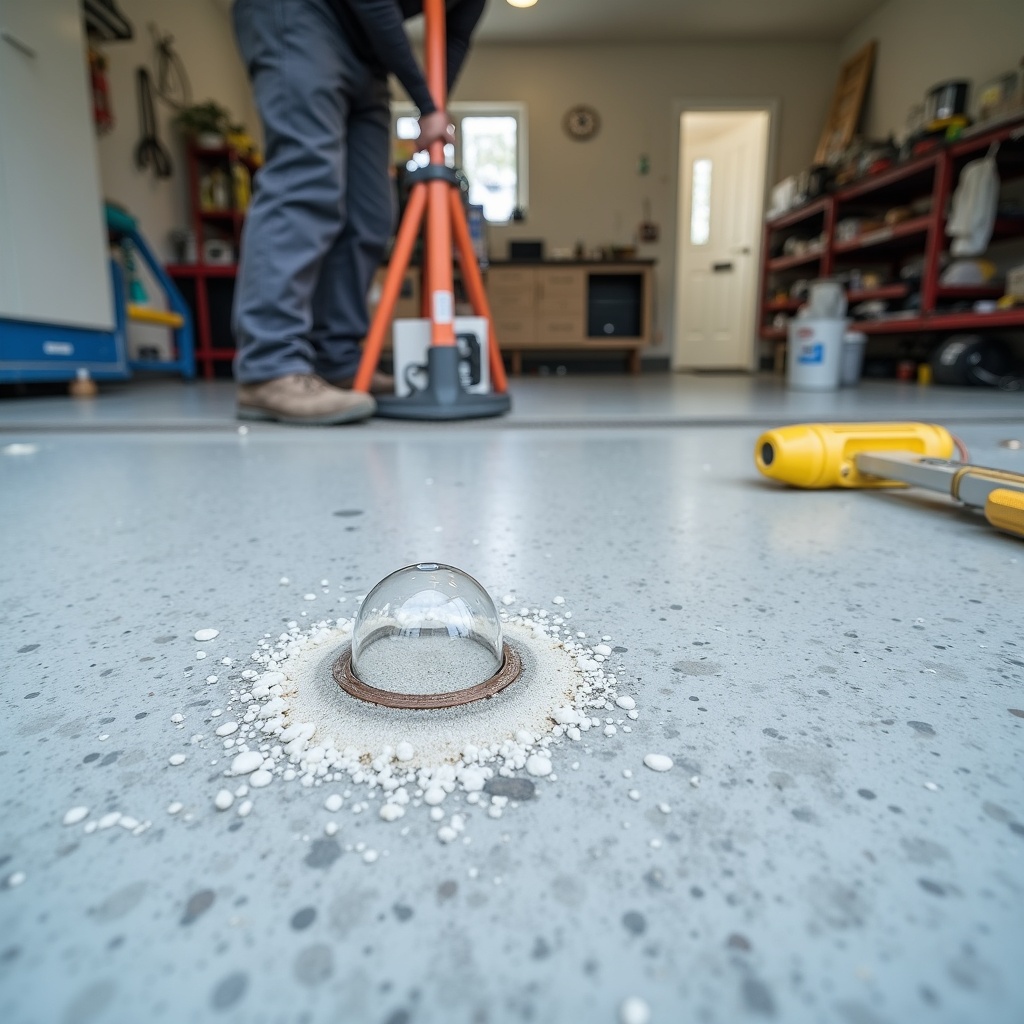
    Moisture blisters in your Woodland Hills garage epoxy signal vapor transmission problems that require proper diagnosis and repair. Learn the decision framework for spot repairs versus complete removal, plus prevention strategies for our local soil conditions.
  • ❓ Frequently Asked Questions

    How do I know if my garage floor blisters are caused by moisture or poor installation?

    Moisture-caused blisters typically appear weeks to months after installation and contain liquid or feel spongy when pressed, while installation defects usually appear within days and feel hollow. Conduct a calcium chloride test showing MVER above 3 lbs per 1,000 sq ft per 24 hours to confirm moisture as the culprit.

    Can I repair epoxy floor moisture blisters myself or should I hire professionals?

    DIY repairs work for isolated blisters with MVER under 5 lbs, but professional help from companies like Five Star Epoxy & Coatings at (818) 355-3804 is recommended when moisture exceeds 8 lbs or blistering covers more than 20% of the floor. Professionals have calibrated testing equipment and experience preventing repeated failures.

    What causes garage floor epoxy to blister in Woodland Hills specifically?

    Woodland Hills's clay-heavy soils retain water longer than sandy compositions, creating elevated groundwater levels that drive moisture vapor through concrete slabs lacking proper vapor barriers. Many older homes in Warner Center and Carlton Terrace were built before vapor barriers became standard, making moisture transmission more common.

    How long does vapor barrier primer take to cure before I can apply topcoat epoxy?

    Most vapor barrier primers cure in 4-6 hours and require topcoating within 12-48 hours for optimal intercoat adhesion. Exceeding this recoat window means the primer surface becomes too smooth for bonding, requiring light sanding before applying decorative epoxy layers.

  • March 25th, 2026

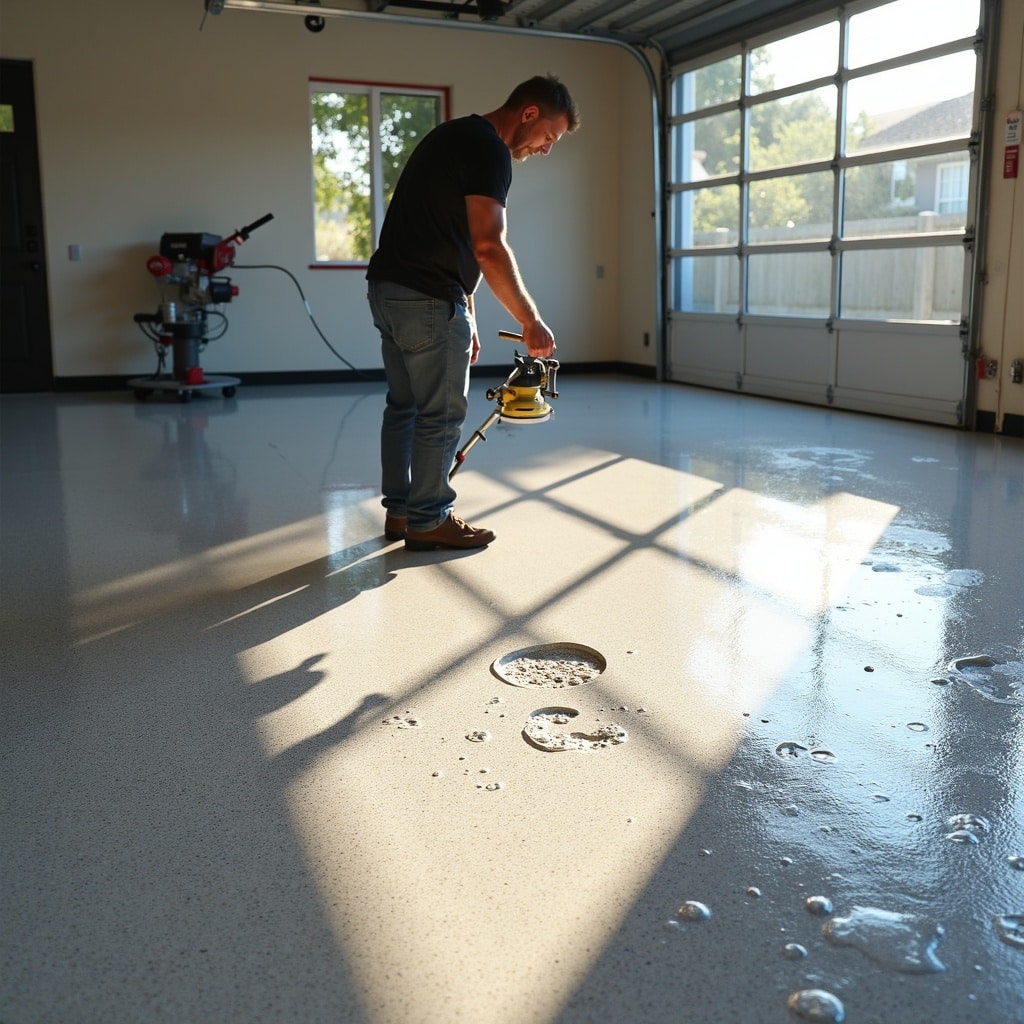
    Discover professional step-by-step methods to fix bubbles in your Woodland Hills epoxy floor coating, from identifying causes to choosing the right repair approach. Learn when DIY fixes work and when expert intervention saves time and money.
  • ❓ Frequently Asked Questions

    How much does it cost to repair bubbles in an epoxy garage floor?

    DIY spot repairs for minor bubble issues typically cost $50-150 in materials. Professional repairs for moderate problems (affecting 20-30% of the floor) range from $800-1,500 for a two-car garage, while complete coating removal and reapplication costs $2,500-4,500 depending on floor size and system selected.

    Can I fix small epoxy floor bubbles myself or should I hire a contractor?

    You can successfully repair fewer than 25 small bubbles (under 1/4 inch) yourself using an orbital sander and matching coating material. However, if bubbles cover more than 20% of your floor, show pinholes indicating active gas release, or you discover moisture issues, professional repair from contractors like Five Star Epoxy & Coatings at (818) 355-3804 is necessary.

    What causes bubbles to form in epoxy floor coating after installation?

    Bubbles typically form from outgassing (trapped air escaping from porous concrete), temperature extremes during application or curing, high humidity during installation, or moisture vapor transmission through the slab. In Woodland Hills, heat-related bubbling is common when garage temperatures exceed 100°F during summer afternoons.

    How long do epoxy floor bubble repairs last before needing redoing?

    Properly executed repairs that address the underlying cause (moisture, temperature, or substrate porosity) should last as long as the original coating — typically 5-10 years. However, repairs that only fix surface bubbles without solving root problems may fail again within 6-12 months, requiring professional intervention to correct the fundamental issue.

    🏘️ Same Topic in Nearby Cities

  • March 12th, 2026

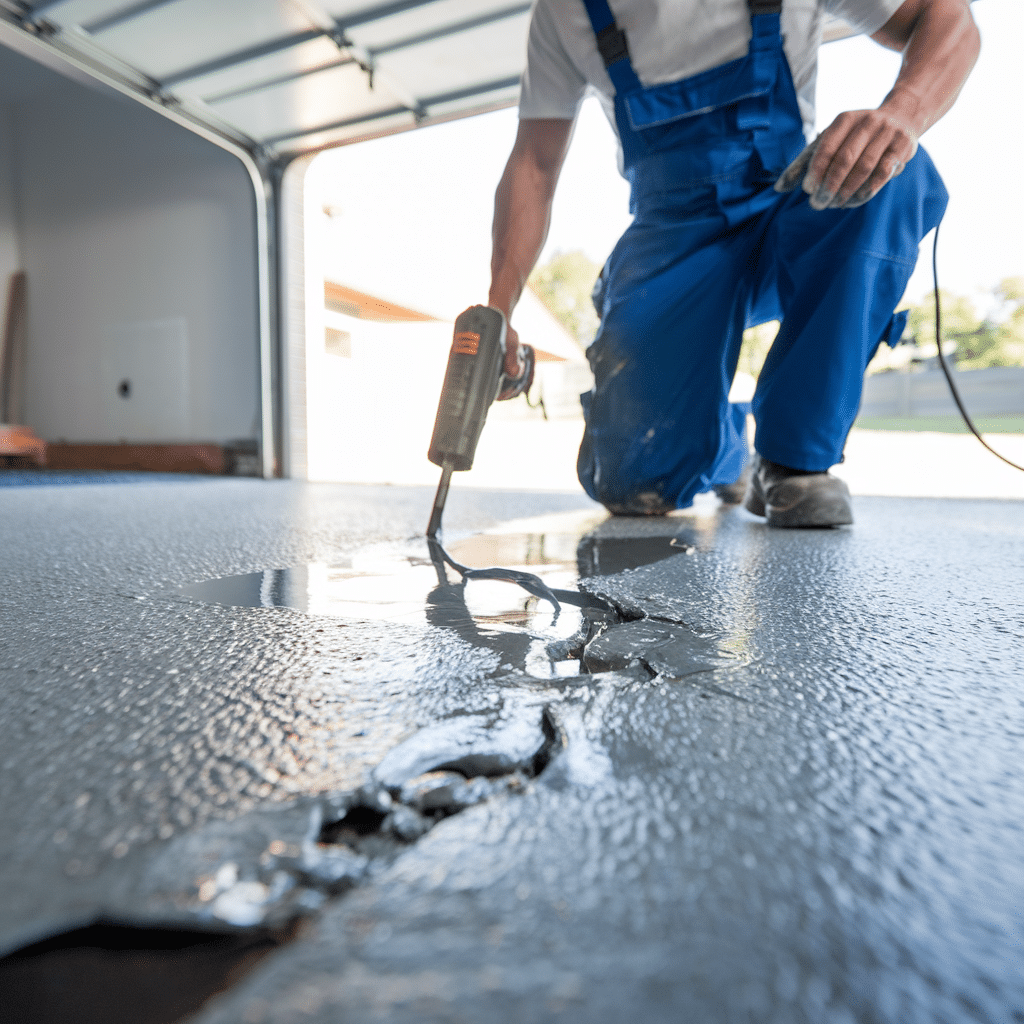
    Discovered bubbles in your Porter Ranch garage's epoxy floor? This troubleshooting guide explains why bubbles form, how to assess damage severity, effective DIY repair methods, and when to call professionals.
  • ❓ Frequently Asked Questions

    How soon after installation should I expect epoxy floor bubbles to appear?

    Bubbles from application errors typically appear within 24-48 hours of installation, while moisture-related bubbles may develop weeks or months later. Temperature-related outgassing usually manifests during the first cure cycle when the epoxy transitions from liquid to solid state.

    Can I repair epoxy floor bubbles without removing the entire coating?

    Minor pinhole bubbles and isolated larger bubbles can often be repaired through sanding and spot-recoating. However, widespread bubbling affecting more than 15-20% of the surface typically requires complete removal and reinstallation to achieve lasting results.

    What causes epoxy bubbles to form months after installation in Porter Ranch garages?

    Delayed bubble formation usually indicates subsurface moisture problems that weren't detected during installation. Porter Ranch's temperature fluctuations can also cause concrete to release trapped moisture vapor over time, especially in older garage slabs where waterproofing has degraded.

    Should I hire Five Star Epoxy & Coatings for bubble repair or attempt DIY fixes?

    Minor scattered bubbles covering less than 10% of your floor are often DIY-manageable with proper technique. Widespread bubbling, adhesion failures, or moisture problems warrant professional assessment—call (818) 355-3804 for expert evaluation and competitive pricing tailored to Porter Ranch's market.

  • February 6th, 2026

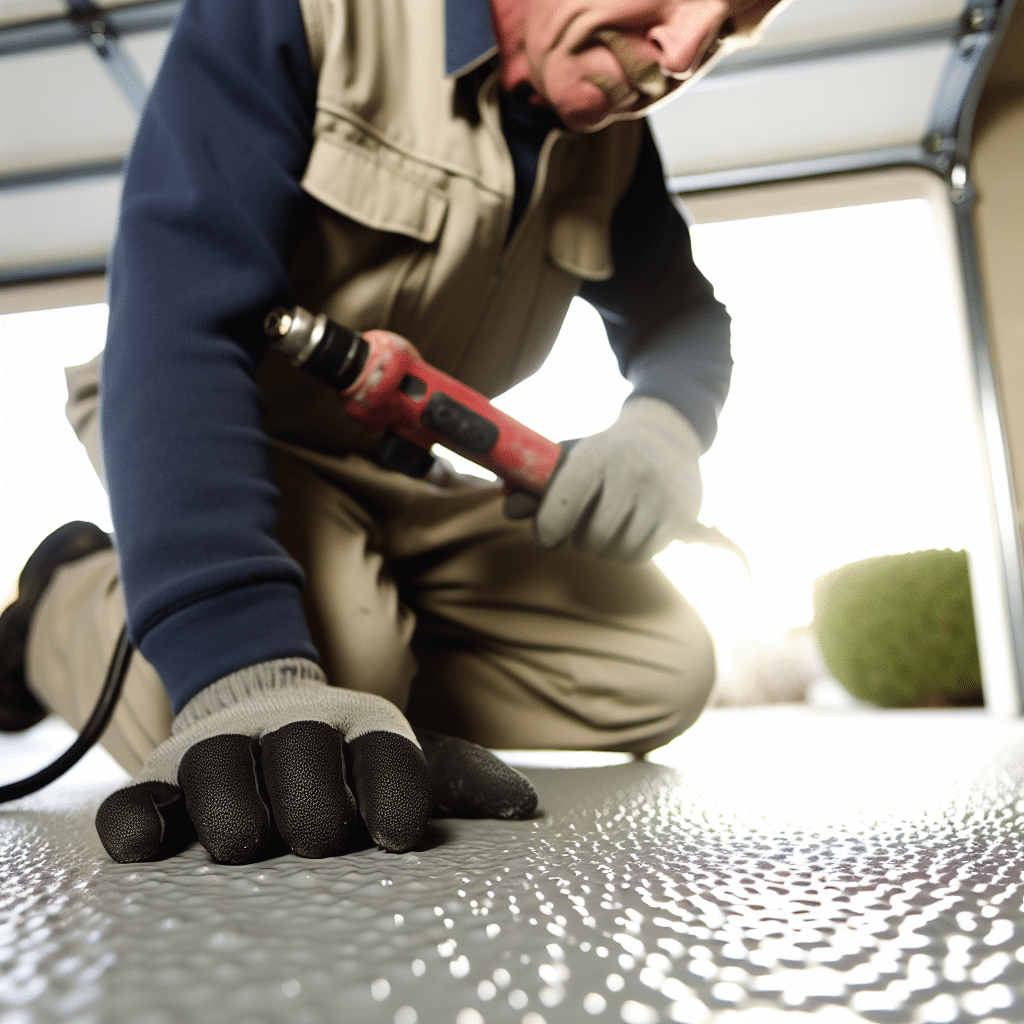
    Discover why bubbles form in epoxy floors and how Granada Hills homeowners can fix them. From identifying surface versus moisture problems to professional repair options, this guide covers effective solutions.

  • ❓ Frequently Asked Questions

    Why do bubbles appear in epoxy floors days after installation in Granada Hills?

    Bubbles typically result from concrete outgassing caused by temperature fluctuations. When epoxy is applied during cool Granada Hills mornings and concrete temperatures rise 20-30 degrees by afternoon, trapped air expands and pushes through the curing coating. Moisture vapor from slabs without proper barriers also creates delayed bubbling, especially in older homes.

    Can I repair small epoxy floor bubbles myself or should I hire a contractor?

    Small surface bubbles under a quarter-inch diameter can be successfully repaired by homeowners using careful sanding, cleaning, and patching techniques. However, bubbles larger than half an inch, those containing moisture, or widespread problems covering more than 10% of the floor should be evaluated by professionals like Five Star Epoxy & Coatings at (818) 355-3804 to ensure proper repair and prevent recurrence.

    How much does professional epoxy floor bubble repair cost in Granada Hills?

    Professional spot repair for minor bubble issues typically ranges from $200-400 for small areas, while extensive repairs requiring section removal and re-coating run $5-8 per square foot. Complete floor re-coating costs $7-12 per square foot in Granada Hills. The cost depends on damage extent, whether moisture mitigation is needed, and the specific products required to match existing coatings.

    What's the best time of year to prevent bubbles when installing epoxy floors?

    Late fall through early spring offers optimal conditions in Granada Hills, with stable temperatures between 60-75 degrees and moderate humidity. Avoid summer installations when concrete surface temperatures exceed 85 degrees, and never apply during Santa Ana wind conditions. Schedule work for early morning hours when temperatures are most stable throughout the curing period.