• March 27th, 2026

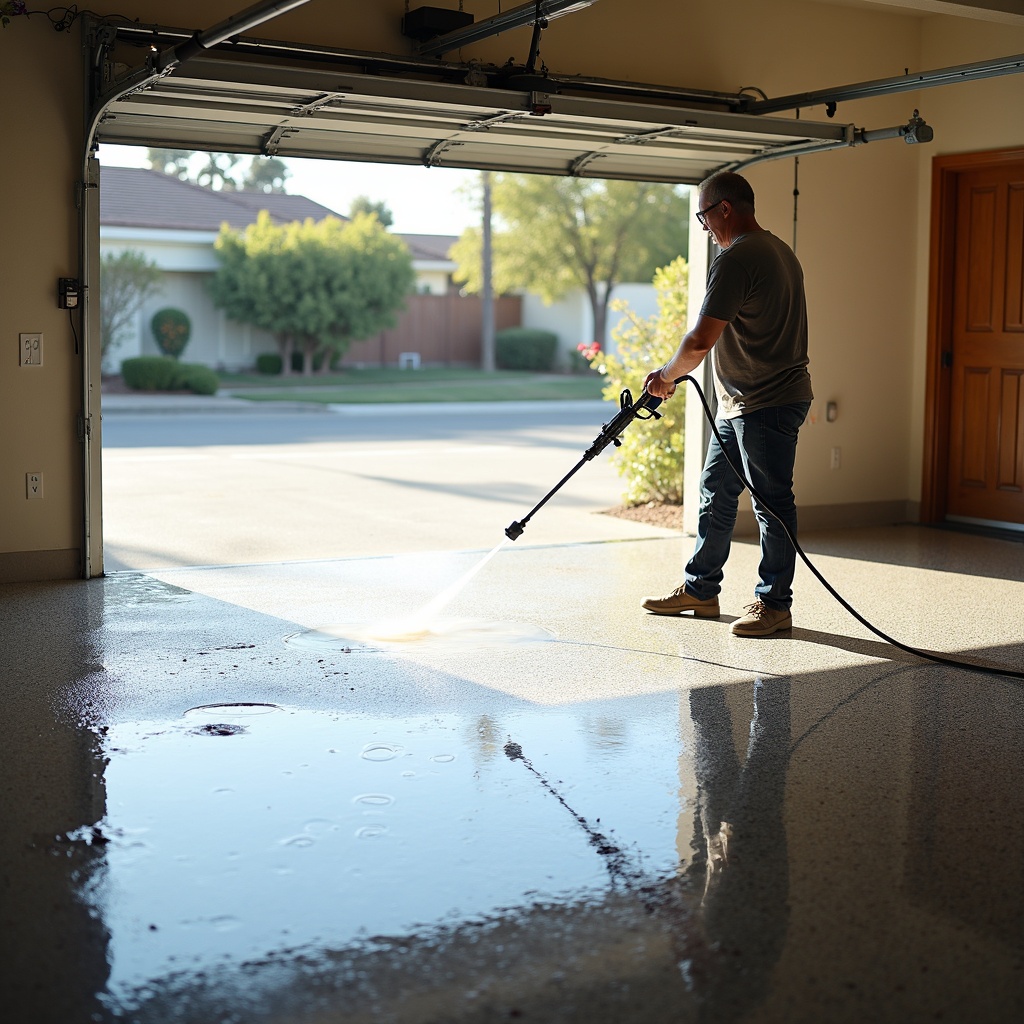
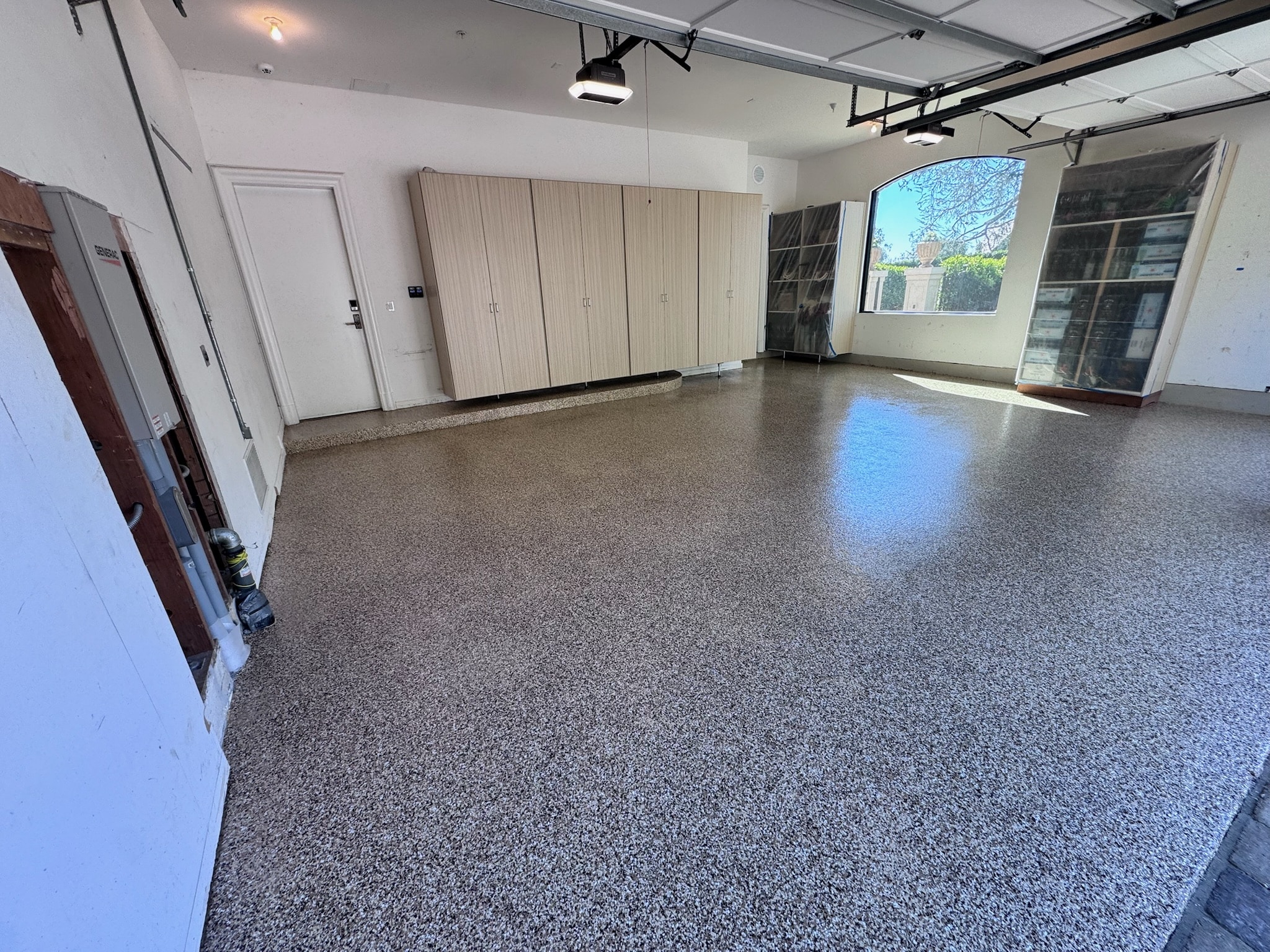
    Granada Hills' foothill microclimate creates unique summer epoxy challenges—concrete temperature mapping, moisture vapor management, and surface prep timing differ dramatically from standard protocols. Professional preparation accounts for elevation-based thermal variations across Granada Hills neighborhoods.

  • ❓ Frequently Asked Questions

    What concrete surface temperature is too hot for epoxy application in Granada Hills?

    Concrete surface temperatures above 85°F create adhesion problems for epoxy coatings. Granada Hills garages in direct sun can reach 115-125°F by midday during summer, requiring early morning application windows when substrate temperatures drop to 70-80°F. Professional installers measure actual concrete temperature with infrared thermometers, not just air temperature, before beginning any epoxy work.

    How does Granada Hills' elevation affect garage floor epoxy preparation compared to other valley cities?

    Granada Hills spans a 200-300 foot elevation range from valley floor to foothills, creating distinct microclimates within the same city. Upper elevation areas near Knollwood cool faster in mornings and evenings, offering longer application windows than lower Granada Hills South locations. This elevation variation requires neighborhood-specific preparation timing rather than generic valley-wide protocols.

    Should I wait until fall to install garage floor epoxy in Granada Hills or can summer work?

    Summer installations can succeed in Granada Hills with proper preparation—concrete temperature mapping, early morning application windows (5-8 AM), and moisture vapor testing adjusted for heat conditions. However, fall installations from late September through November offer more forgiving conditions with cooler concrete and longer work windows. Contact Five Star Epoxy & Coatings at (818) 355-3804 for honest assessment of whether your specific garage qualifies for summer installation or benefits from fall scheduling.

    Why does grinding garage floors create problems during Granada Hills summer heat?

    Diamond grinding generates friction heat that can raise concrete surface temperature 15-20°F within minutes, pushing already-warm summer slabs beyond safe epoxy application ranges. Professional preparation requires grinding during coolest hours (5-7 AM) then waiting 2-3 hours for substrate temperature to stabilize before applying primers. Skipping this cooling period causes primers to flash-cure before proper penetration, leading to adhesion failure.

    🏘️ Same Topic in Nearby Cities

  • March 26th, 2026

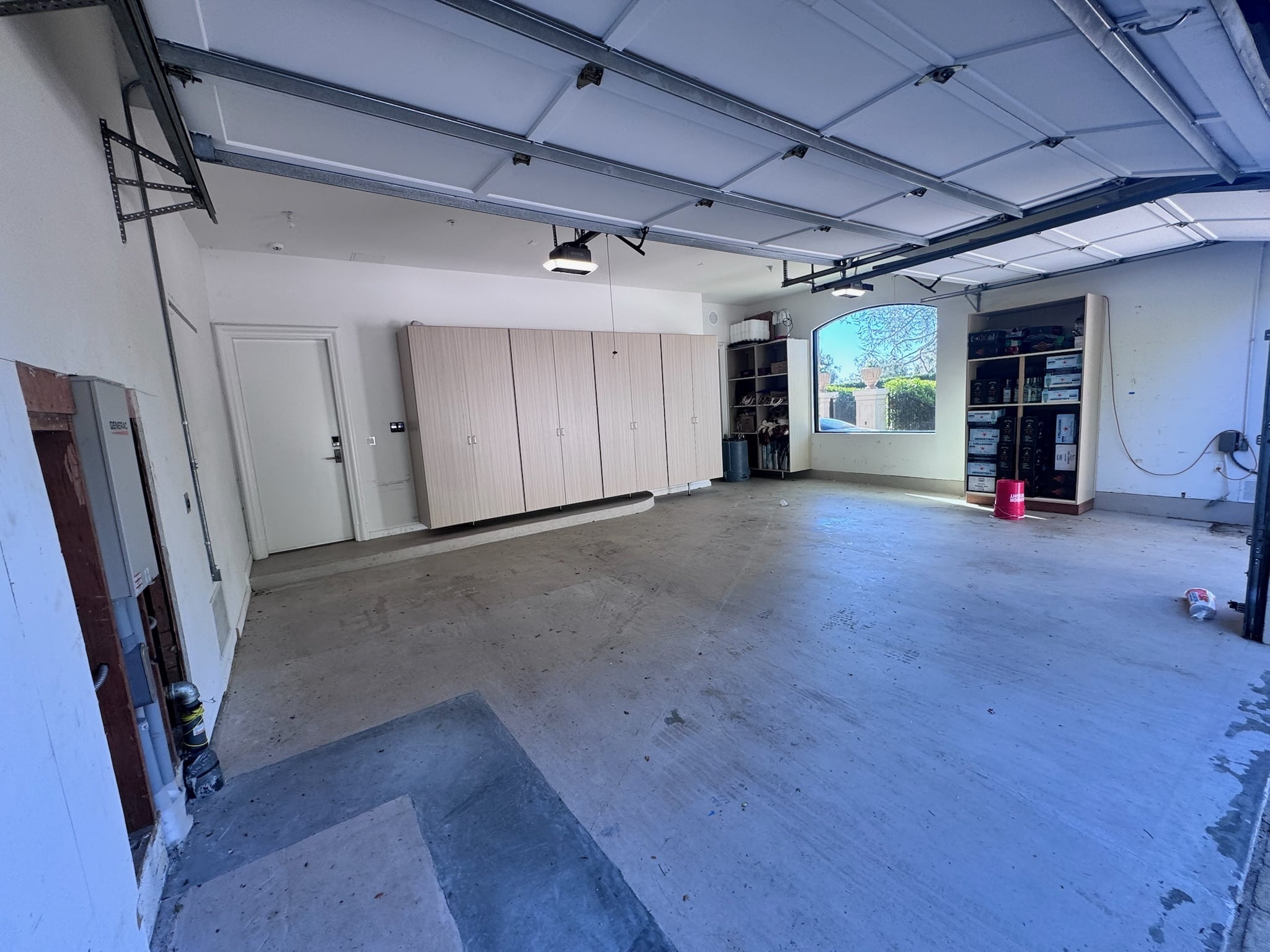
    Epoxy coatings require proper crack repair to last—but not all cracks are created equal. Learn how to assess severity, choose the right repair method, and ensure your Porter Ranch garage floor is truly ready for epoxy application.

  • ❓ Frequently Asked Questions

    Can epoxy coating hide concrete cracks without repairing them first?

    No, epoxy cannot hide cracks—it will telegraph through and eventually crack along the same line. Even hairline cracks must be properly filled and sealed before epoxy application. Attempting to coat over unrepaired cracks leads to premature coating failure, typically within 6-18 months, requiring expensive removal and reinstallation.

    How long should crack repairs cure before applying epoxy in Porter Ranch?

    Epoxy injection repairs need 24-48 hours at typical Porter Ranch temperatures, while polyurethane sealants require 3-7 days depending on humidity. Cold weather can extend these times significantly. Always verify the repair has fully hardened using the scratch test before proceeding with surface preparation and coating.

    What crack patterns indicate I need a structural engineer before epoxy work?

    Cracks wider than 1/2 inch, those showing vertical displacement over 1/4 inch, or cracks that continue growing over time require structural evaluation. Stair-step patterns, parallel cracks spanning the garage length, or cracks accompanied by sticking doors and sloping floors signal foundation issues that must be addressed before any cosmetic coating work.

    Why does Five Star Epoxy & Coatings recommend delaying epoxy installation for some cracks?

    We recommend structural assessment when crack patterns indicate active foundation movement because coating over unstable foundations wastes your investment. At (818) 355-3804, we prioritize installations that last decades over quick sales that fail within years. Proper diagnosis protects both your home's structural integrity and your epoxy investment.

  • March 25th, 2026

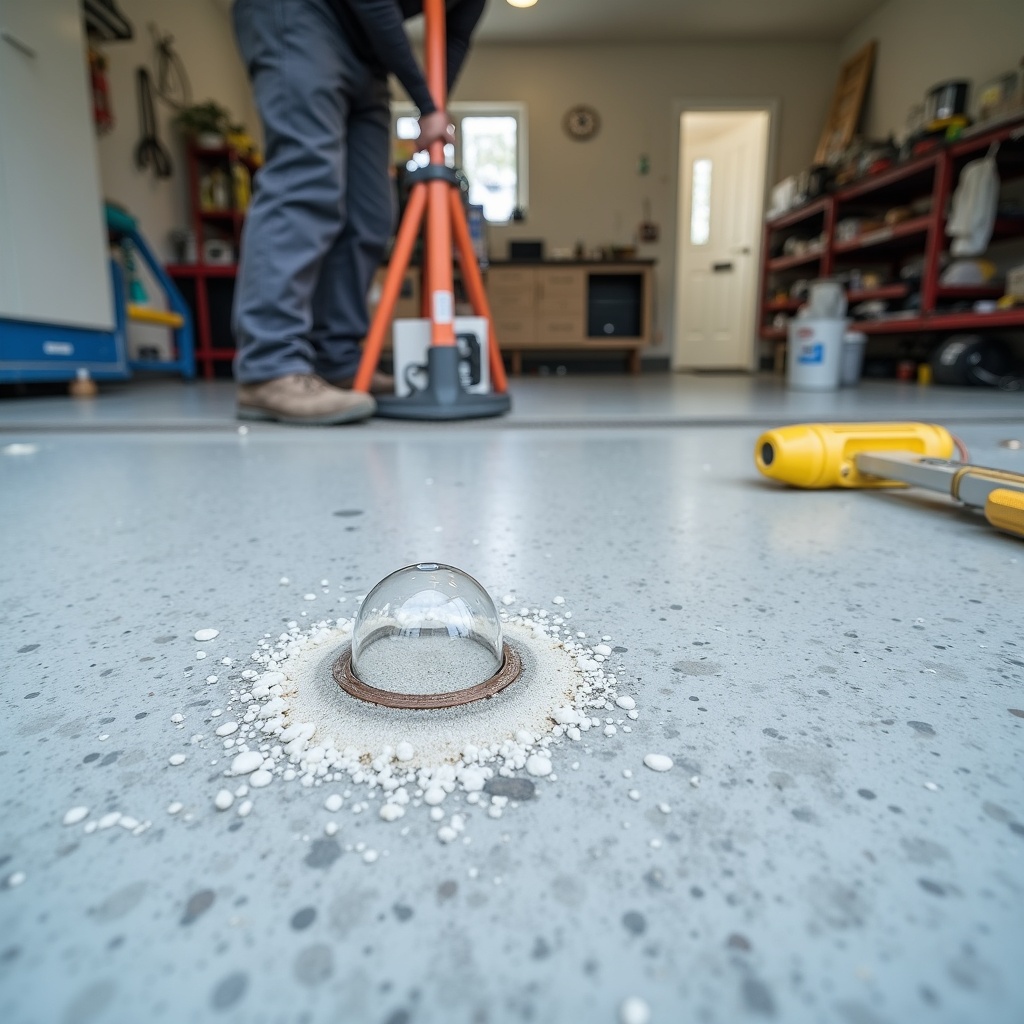
    Discover professional step-by-step methods to fix bubbles in your Woodland Hills epoxy floor coating, from identifying causes to choosing the right repair approach. Learn when DIY fixes work and when expert intervention saves time and money.

  • ❓ Frequently Asked Questions

    How much does it cost to repair bubbles in an epoxy garage floor?

    DIY spot repairs for minor bubble issues typically cost $50-150 in materials. Professional repairs for moderate problems (affecting 20-30% of the floor) range from $800-1,500 for a two-car garage, while complete coating removal and reapplication costs $2,500-4,500 depending on floor size and system selected.

    Can I fix small epoxy floor bubbles myself or should I hire a contractor?

    You can successfully repair fewer than 25 small bubbles (under 1/4 inch) yourself using an orbital sander and matching coating material. However, if bubbles cover more than 20% of your floor, show pinholes indicating active gas release, or you discover moisture issues, professional repair from contractors like Five Star Epoxy & Coatings at (818) 355-3804 is necessary.

    What causes bubbles to form in epoxy floor coating after installation?

    Bubbles typically form from outgassing (trapped air escaping from porous concrete), temperature extremes during application or curing, high humidity during installation, or moisture vapor transmission through the slab. In Woodland Hills, heat-related bubbling is common when garage temperatures exceed 100°F during summer afternoons.

    How long do epoxy floor bubble repairs last before needing redoing?

    Properly executed repairs that address the underlying cause (moisture, temperature, or substrate porosity) should last as long as the original coating — typically 5-10 years. However, repairs that only fix surface bubbles without solving root problems may fail again within 6-12 months, requiring professional intervention to correct the fundamental issue.

    🏘️ Same Topic in Nearby Cities

  • March 24th, 2026

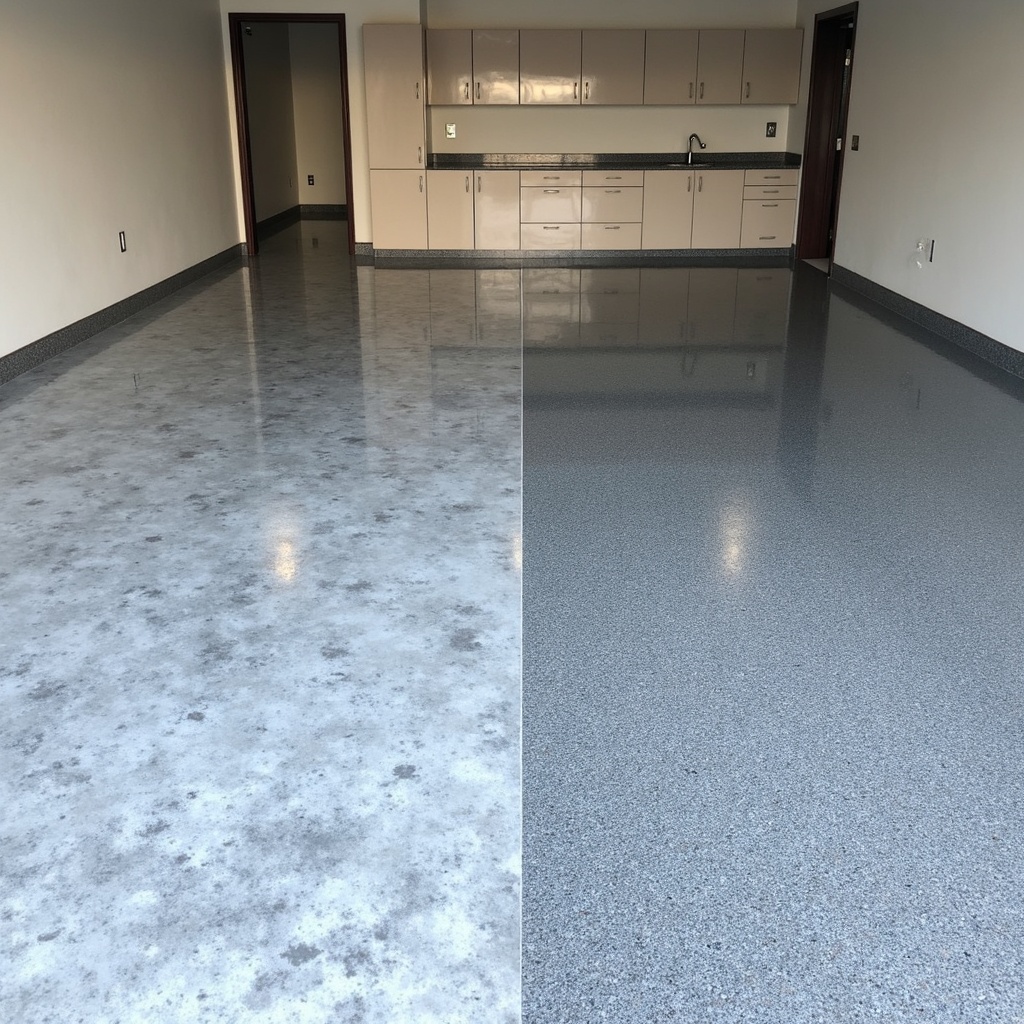
    A worn apartment landing in Northridge was transformed with a professional epoxy flake coating system, creating a durable, slip-resistant, and modern surface for residents.

  • March 15th, 2026

    Woodland Hills homeowners are pricing metallic epoxy right now as property values climb and renovation budgets loosen. This comprehensive guide breaks down real costs per square foot, what drives price variations, and how to budget smartly for dramatic flooring upgrades.

  • ❓ Frequently Asked Questions

    How much does metallic epoxy flooring cost per square foot in Woodland Hills?

    Professional metallic epoxy installation in Woodland Hills typically costs $8-15 per square foot, with most residential projects averaging $10-12 per square foot. This includes surface preparation, metallic base coat with artistic manipulation, and protective topcoat layers. A standard 400-square-foot garage runs $4,000-4,800.

    Why does metallic epoxy cost more than standard flake epoxy flooring?

    Metallic epoxy costs 40-50% more than standard epoxy ($5-8 per square foot) due to expensive metallic pigments and specialized labor. Creating the signature three-dimensional flow patterns requires artistic manipulation during a narrow working window, demanding higher skill levels than straightforward flake applications. The visual impact and uniqueness justify the premium for many homeowners.

    What hidden costs should I budget for in a metallic epoxy project?

    The most common hidden cost is concrete preparation — significant cracking, oil staining, or unevenness can add $1-3 per square foot for diamond grinding, crack repair, and moisture barriers. Homes over 20 years old often need extra prep work. Budget an additional 10-15% contingency beyond the base quote to cover unexpected concrete issues discovered during surface preparation.

    Does metallic epoxy flooring increase home value enough to justify the cost?

    In Woodland Hills where median home values approach $925,000, professionally installed metallic epoxy adds $3,000-5,000 to perceived resale value while lasting 15-20 years with minimal maintenance. The real ROI comes from longevity (amortizing to $200-320 annually), reduced maintenance costs, and the lifestyle value of transforming garages and basements into showpiece spaces. Contact Five Star Epoxy & Coatings at (818) 355-3804 for project-specific value assessments.

    🏘️ Same Topic in Nearby Cities

  • March 12th, 2026

    Discovered bubbles in your Porter Ranch garage's epoxy floor? This troubleshooting guide explains why bubbles form, how to assess damage severity, effective DIY repair methods, and when to call professionals.

  • ❓ Frequently Asked Questions

    How soon after installation should I expect epoxy floor bubbles to appear?

    Bubbles from application errors typically appear within 24-48 hours of installation, while moisture-related bubbles may develop weeks or months later. Temperature-related outgassing usually manifests during the first cure cycle when the epoxy transitions from liquid to solid state.

    Can I repair epoxy floor bubbles without removing the entire coating?

    Minor pinhole bubbles and isolated larger bubbles can often be repaired through sanding and spot-recoating. However, widespread bubbling affecting more than 15-20% of the surface typically requires complete removal and reinstallation to achieve lasting results.

    What causes epoxy bubbles to form months after installation in Porter Ranch garages?

    Delayed bubble formation usually indicates subsurface moisture problems that weren't detected during installation. Porter Ranch's temperature fluctuations can also cause concrete to release trapped moisture vapor over time, especially in older garage slabs where waterproofing has degraded.

    Should I hire Five Star Epoxy & Coatings for bubble repair or attempt DIY fixes?

    Minor scattered bubbles covering less than 10% of your floor are often DIY-manageable with proper technique. Widespread bubbling, adhesion failures, or moisture problems warrant professional assessment—call (818) 355-3804 for expert evaluation and competitive pricing tailored to Porter Ranch's market.