
• May 13th, 2026

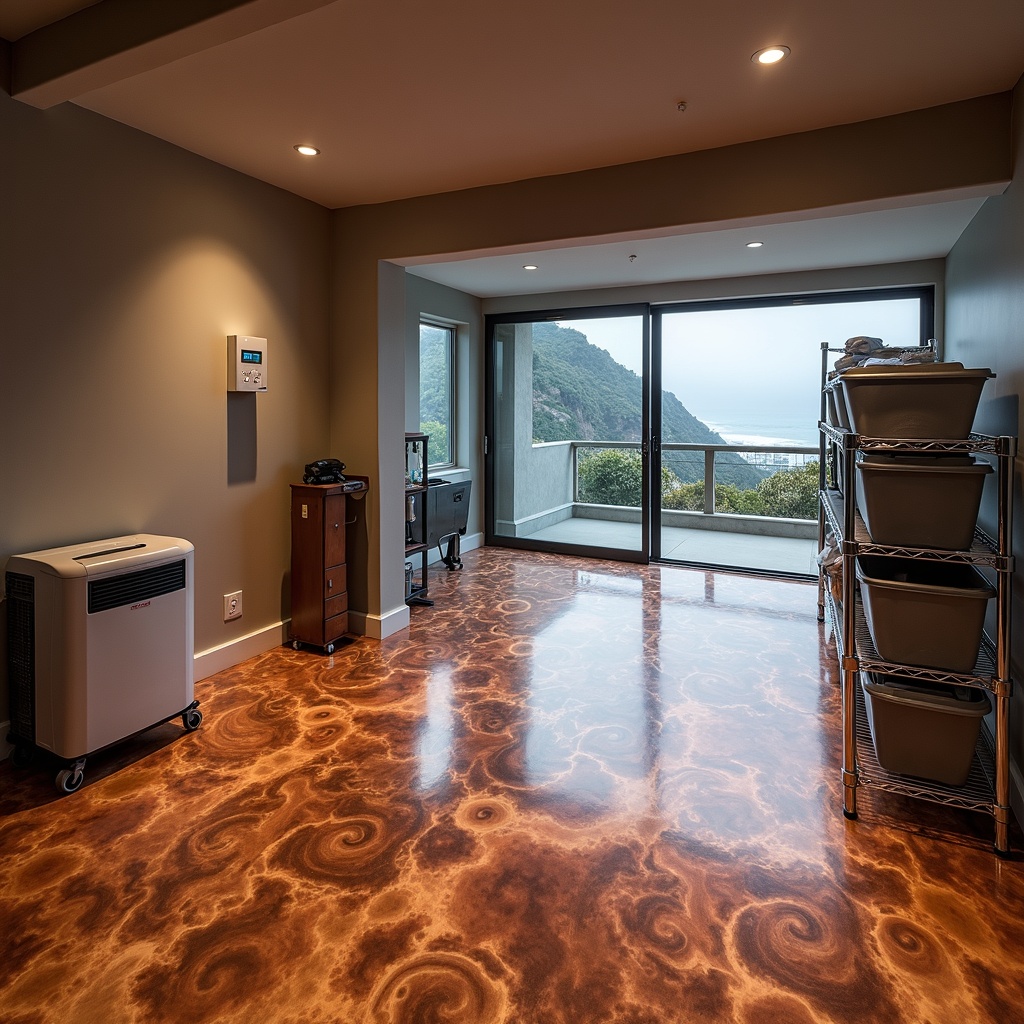
    Winter moisture threatens Malibu metallic epoxy basements through condensation, temperature swings, and seasonal storage mistakes. Act now with these 8 essential protection steps before damage occurs.
  • ❓ Frequently Asked Questions

    How often should I check humidity levels in my Malibu basement during winter?

    Check humidity readings at least weekly during winter months, with daily monitoring recommended during and immediately after rainstorms. Install a smart hygrometer that alerts you when levels exceed 45% so you can activate dehumidification immediately before moisture damages your metallic epoxy coating.

    Can I install metallic epoxy flooring in winter, or should I wait until spring?

    Winter installation is possible in Malibu's mild climate if basement humidity stays below 60% and temperatures remain above 55°F during application and curing. Professional contractors use moisture meters to verify slab conditions meet manufacturer specifications before proceeding with metallic epoxy application regardless of season.

    What causes metallic epoxy floors to sweat during Malibu winters?

    Floor sweating occurs when warm, humid air contacts cool concrete slabs, causing condensation on the non-porous epoxy surface. Malibu's temperature fluctuations between cool Pacific marine air and warmer inland conditions create ideal conditions for this phenomenon, which consistent basement heating and dehumidification can prevent.

    Should I contact Five Star Epoxy & Coatings if I see bubbles forming in my basement floor?

    Yes, contact professionals immediately when bubbles appear, as they indicate moisture vapor transmission pushing up beneath the coating. Early intervention allows spot repairs using moisture-tolerant primers, while delayed response often requires complete floor removal and replacement at significantly higher cost.

  • April 17th, 2026

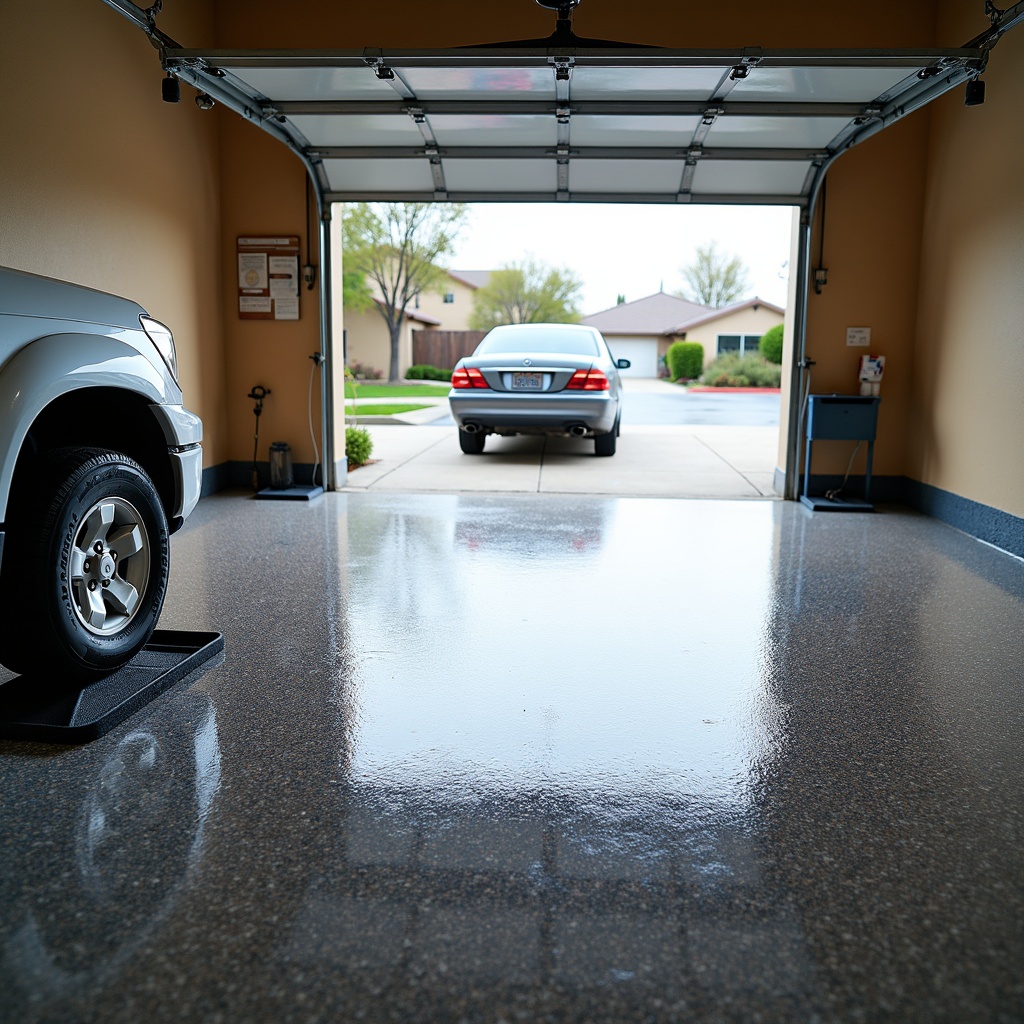
    Road salt won't destroy your Northridge garage floor epoxy—if you understand how to protect it. This cost-focused guide reveals exactly which topcoats resist chemical damage, proven maintenance routines that prevent costly repairs, and when resealing becomes necessary.
  • ❓ Frequently Asked Questions

    How often should I clean my Northridge garage floor during winter to prevent salt damage?

    Sweep visible salt residue within 24 hours after each rain event when vehicles track in de-icing chemicals from mountain areas. Perform a thorough mop cleaning with mild detergent weekly during winter months, and complete a monthly inspection for any coating damage that could allow salt penetration.

    What's the actual cost difference between standard epoxy and salt-resistant polyaspartic topcoats?

    Salt-resistant polyaspartic topcoats add approximately $1–$3 per square foot to your initial installation cost but last 10+ years compared to 3–5 years for standard epoxy. For a typical 400-square-foot Northridge two-car garage, this upgrade costs $400–$1,200 more upfront but eliminates multiple resealing cycles, saving money long-term.

    Can I use vinegar or harsh cleaners to remove salt buildup from my epoxy floor?

    Avoid acidic cleaners like vinegar that can degrade your topcoat over time. Instead, use mild soap and warm water for regular cleaning, or a diluted Simple Green solution for tougher residue. For acidic salt neutralization, use a weak baking soda solution (one tablespoon per gallon) followed by thorough rinsing.

    Should I contact Five Star Epoxy & Coatings if my garage floor shows dull patches after winter?

    Yes—dull patches, reduced water beading, or persistent white residue indicate topcoat wear that should be professionally assessed. Call (818) 355-3804 for a free inspection. Recoating before base layer damage occurs costs significantly less than full restoration and extends your floor's lifespan by years.

  • April 15th, 2026

    Discover why spring cleaning your Porter Ranch garage floor epoxy prevents costly damage and extends coating life. Learn professional-grade maintenance protocols that protect your investment.

  • ❓ Frequently Asked Questions

    How often should I deep clean my epoxy garage floor in Porter Ranch?

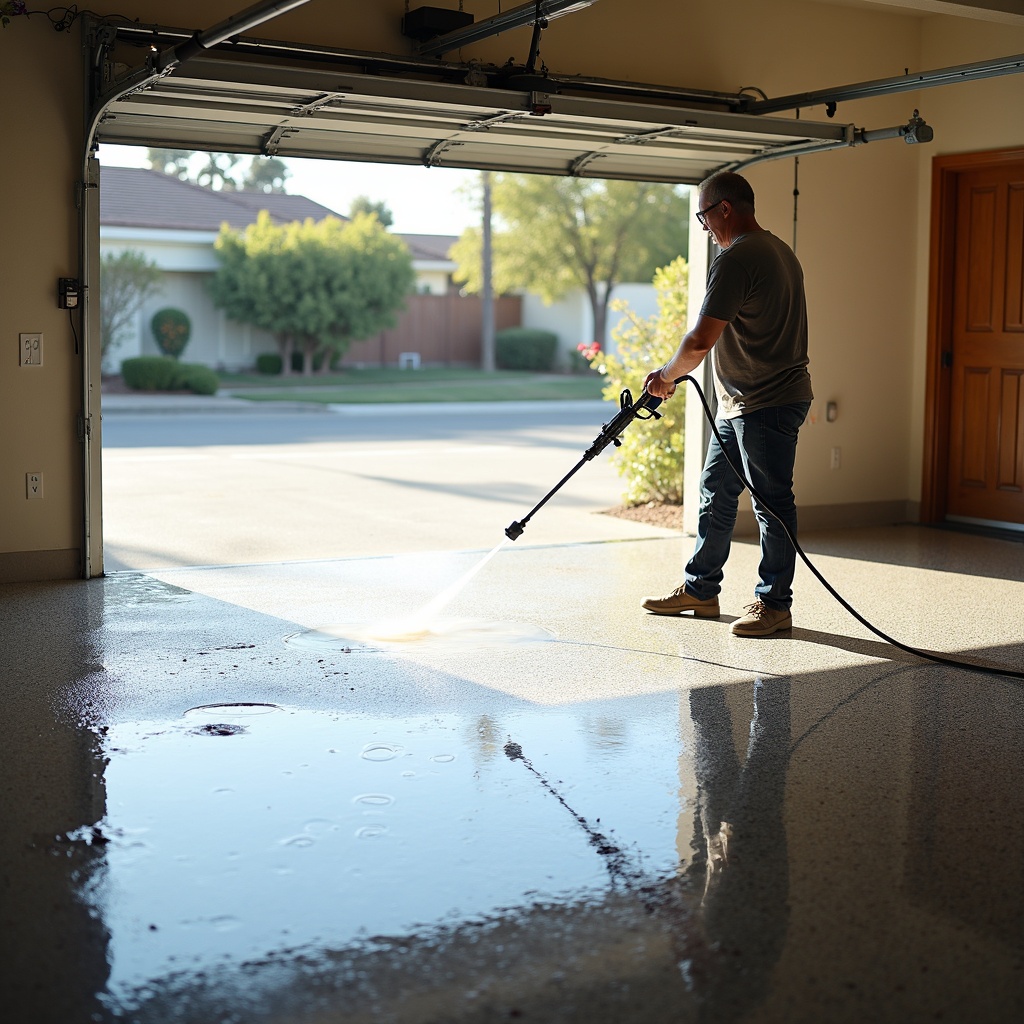
    Deep cleaning with pressure washing should occur twice yearly—spring and fall. Weekly dust mopping and monthly wet mopping with diluted ammonia or pH-neutral cleaners maintain appearance between deep cleans and prevent abrasive buildup that accelerates wear.

    Can pressure washing damage my garage epoxy floor?

    Pressure washing is safe when limited to 1,500-2,000 PSI with a 25-40 degree nozzle held at least 12-18 inches from the surface. Higher pressures or zero-degree tips can chip or peel the coating, especially along edges and previously damaged areas.

    What are signs my Porter Ranch garage floor needs resealing?

    Key indicators include widespread gloss loss in traffic areas, persistent stains that resist cleaning, visible micro-scratching under direct light, and texture changes where the surface feels rougher. These typically appear after 3-5 years in moderate-use residential garages.

    Why should I hire Five Star Epoxy & Coatings for spring maintenance?

    Professional assessment identifies subsurface issues invisible to homeowners, provides warranty-covered repair solutions, and ensures proper resealing techniques that maximize coating lifespan. Call (818) 355-3804 for expert spring floor evaluations tailored to Porter Ranch's climate conditions.