
-
 Winter Moisture Control for Metallic Epoxy Basements
Winter moisture threatens Malibu metallic epoxy basements through condensation, temperature swings, and seasonal storage mistakes. Act now with…
-
A Summer Garage Floor Epoxy Survival Guide for Northridge Homeowners
Summer heat in Northridge creates unique challenges for garage floor epoxy installation. Discover the prep strategies, timing windows,…
-
Top Metallic Epoxy Products for Northridge Contractors 2026
Discover which metallic epoxy systems deliver the best value for Northridge contractors and homeowners. We compare costs, California…
-
Northridge Garage Floor Bubble Repair: Proven Methods to Restore Your Epoxy Coating
Bubbles in your Northridge garage epoxy floor can result from outgassing, moisture, temperature fluctuations, or application errors. This…
-
Epoxy Flooring for Apartment Landings: Safe and Durable Solutions for High-Traffic Areas
Apartment stair landings experience heavy foot traffic every day. Epoxy flooring provides a long-lasting, slip-resistant surface ideal for…
-
How Porter Ranch's Unique Heat Patterns Change Garage Floor Epoxy Prep
Porter Ranch's higher elevation creates distinct temperature swings that demand specialized epoxy preparation techniques. Learn how professional installers…
-
Fix Metallic Pearl Separation: Porter Ranch Epoxy Guide
Metallic epoxy separation leaves blotchy patches instead of stunning swirled finishes—but targeted repairs can salvage your investment. This…
-
Should You Repair Concrete Cracks Before Epoxy? What Porter Ranch Homeowners Need to Know
Epoxy coatings require proper crack repair to last—but not all cracks are created equal. Learn how to assess…
-
Porter Ranch Epoxy Floor Bubble Repair: A Step-by-Step Troubleshooting Approach
Discovered bubbles in your Porter Ranch garage's epoxy floor? This troubleshooting guide explains why bubbles form, how to…
-
Fixing Moisture Blisters in Woodland Hills Garage Epoxy
Moisture blisters in your Woodland Hills garage epoxy signal vapor transmission problems that require proper diagnosis and repair.…
-
Fixing Yellowing Clear Epoxy Coating: Woodland Hills FAQ
Discover why clear epoxy floor coatings yellow in Woodland Hills showrooms and learn proven assessment, repair, and prevention…
-
What Causes Bubbles in Your Garage Epoxy Floor? A Woodland Hills Repair Guide
Discover why bubbles form in epoxy floor coatings and how to fix them. This Woodland Hills homeowner's guide…
-
UV-Stable vs Standard Topcoat Myths: Woodland Hills Guide
Discover the truth behind five persistent myths about metallic epoxy topcoat costs in Woodland Hills. We compare UV-stable…
❓ Frequently Asked Questions
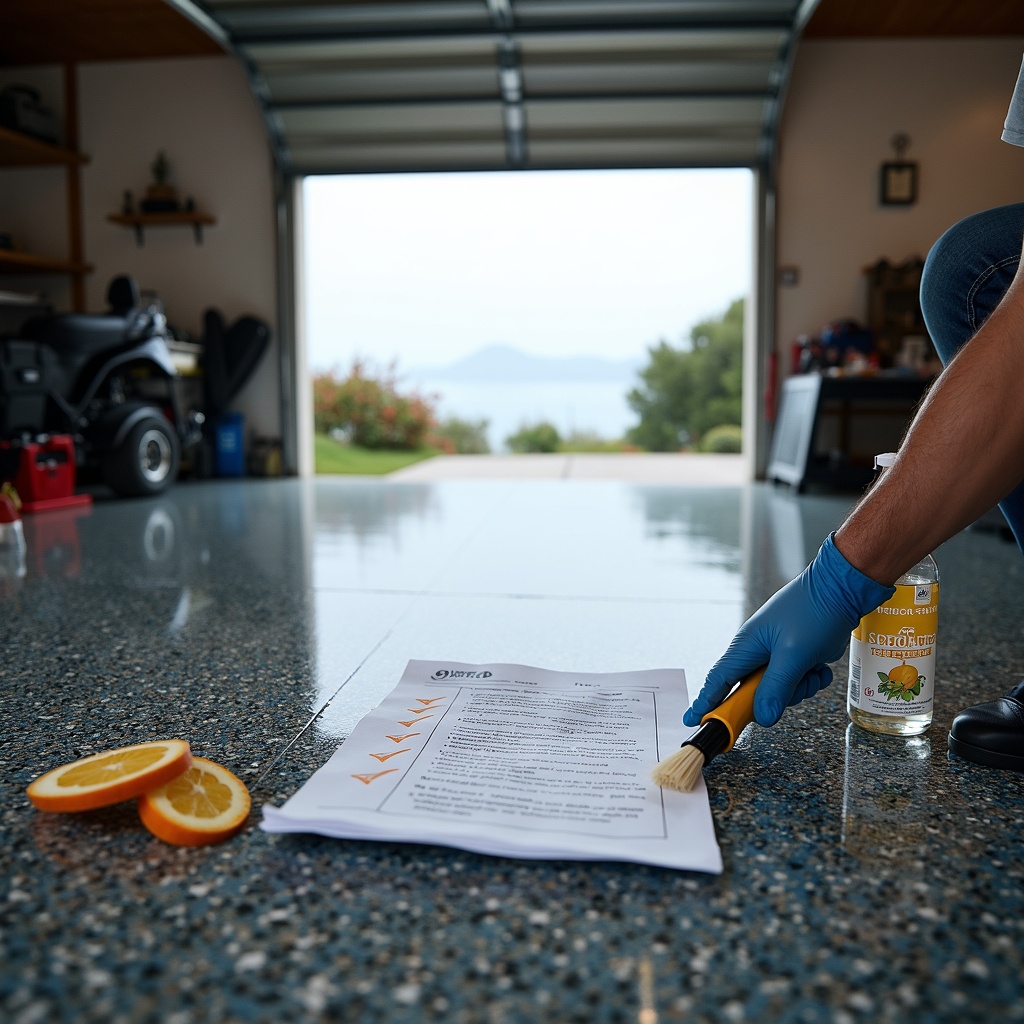
How long does it take for tire marks to become permanent on garage floor epoxy?
Tire marks become progressively harder to remove the longer they sit. Fresh marks from plasticizer transfer can often be cleaned within minutes using dish soap, while marks left for several weeks may penetrate the coating surface and require specialized citrus-based cleaners or professional intervention to fully remove.
Can hot tire pickup happen on properly installed garage epoxy in Malibu's climate?
Yes, but it's far less common with quality installations. Malibu's moderate coastal temperatures (typically 49°F to 76°F year-round) reduce tire heating compared to inland valleys, but hot tire pickup can still occur if low-grade water-based coatings were used or if the floor wasn't allowed proper cure time before vehicle traffic.
What's the difference between tire marks and hot tire pickup on epoxy floors?
Tire marks are surface discoloration from rubber plasticizers that can usually be cleaned with appropriate products. Hot tire pickup is actual coating failure where the epoxy peels away from the concrete, requiring professional repair rather than cleaning. Run your fingernail across the area — if the coating is lifting or peeling, it's hot tire pickup.
Should I hire Five Star Epoxy & Coatings if my DIY cleaning damaged my garage floor?
Absolutely. If aggressive solvents or abrasive tools have dulled, scratched, or stripped areas of your epoxy coating, Five Star Epoxy & Coatings can assess the damage and recommend spot repairs or professional recoating. We serve all Malibu neighborhoods and use commercial-grade systems designed to prevent both tire marks and coating failures common with DIY products.
📖 More Tips for Malibu

🏘️ Same Topic in Nearby Cities
❓ Frequently Asked Questions
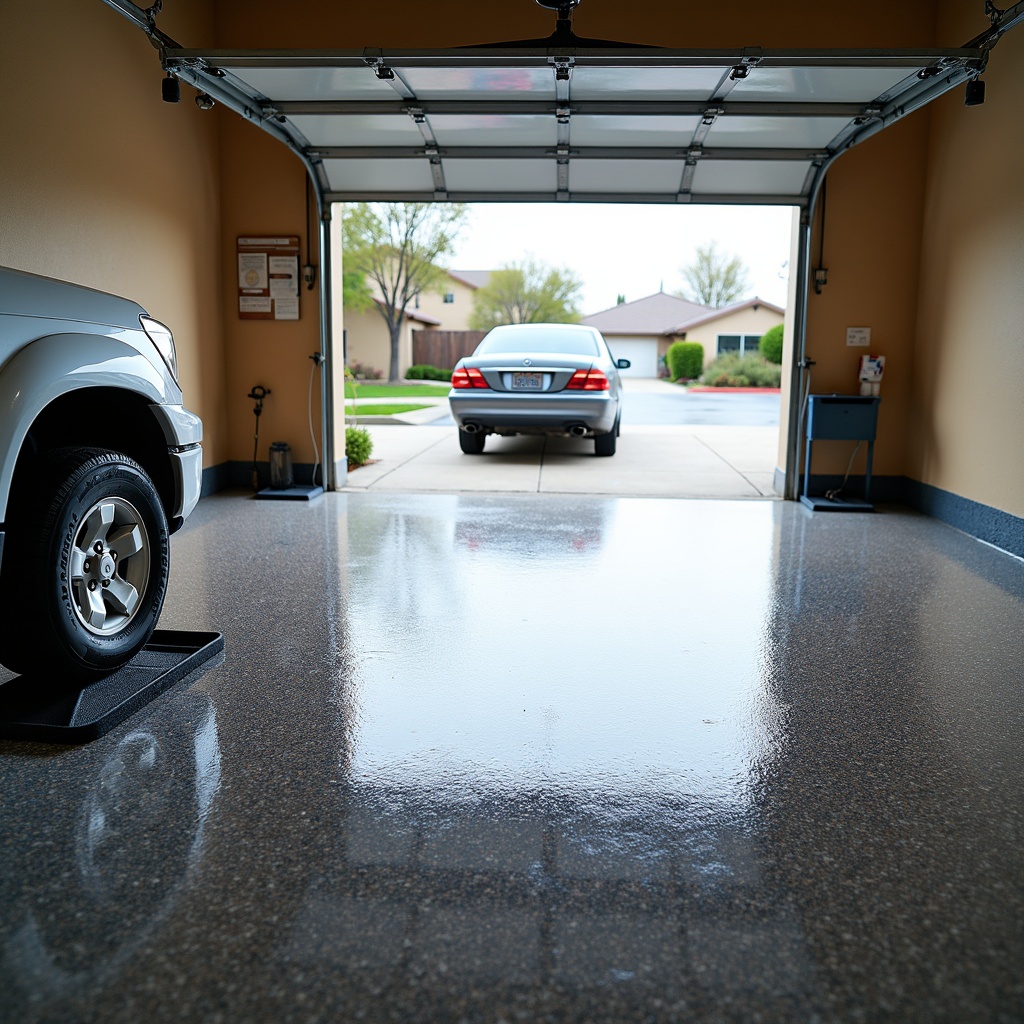
How often should I clean my Northridge garage floor during winter to prevent salt damage?
Sweep visible salt residue within 24 hours after each rain event when vehicles track in de-icing chemicals from mountain areas. Perform a thorough mop cleaning with mild detergent weekly during winter months, and complete a monthly inspection for any coating damage that could allow salt penetration.
What's the actual cost difference between standard epoxy and salt-resistant polyaspartic topcoats?
Salt-resistant polyaspartic topcoats add approximately $1–$3 per square foot to your initial installation cost but last 10+ years compared to 3–5 years for standard epoxy. For a typical 400-square-foot Northridge two-car garage, this upgrade costs $400–$1,200 more upfront but eliminates multiple resealing cycles, saving money long-term.
Can I use vinegar or harsh cleaners to remove salt buildup from my epoxy floor?
Avoid acidic cleaners like vinegar that can degrade your topcoat over time. Instead, use mild soap and warm water for regular cleaning, or a diluted Simple Green solution for tougher residue. For acidic salt neutralization, use a weak baking soda solution (one tablespoon per gallon) followed by thorough rinsing.
Should I contact Five Star Epoxy & Coatings if my garage floor shows dull patches after winter?
Yes—dull patches, reduced water beading, or persistent white residue indicate topcoat wear that should be professionally assessed. Call (818) 355-3804 for a free inspection. Recoating before base layer damage occurs costs significantly less than full restoration and extends your floor's lifespan by years.
📖 More Tips for Northridge


🏘️ Same Topic in Nearby Cities
❓ Frequently Asked Questions
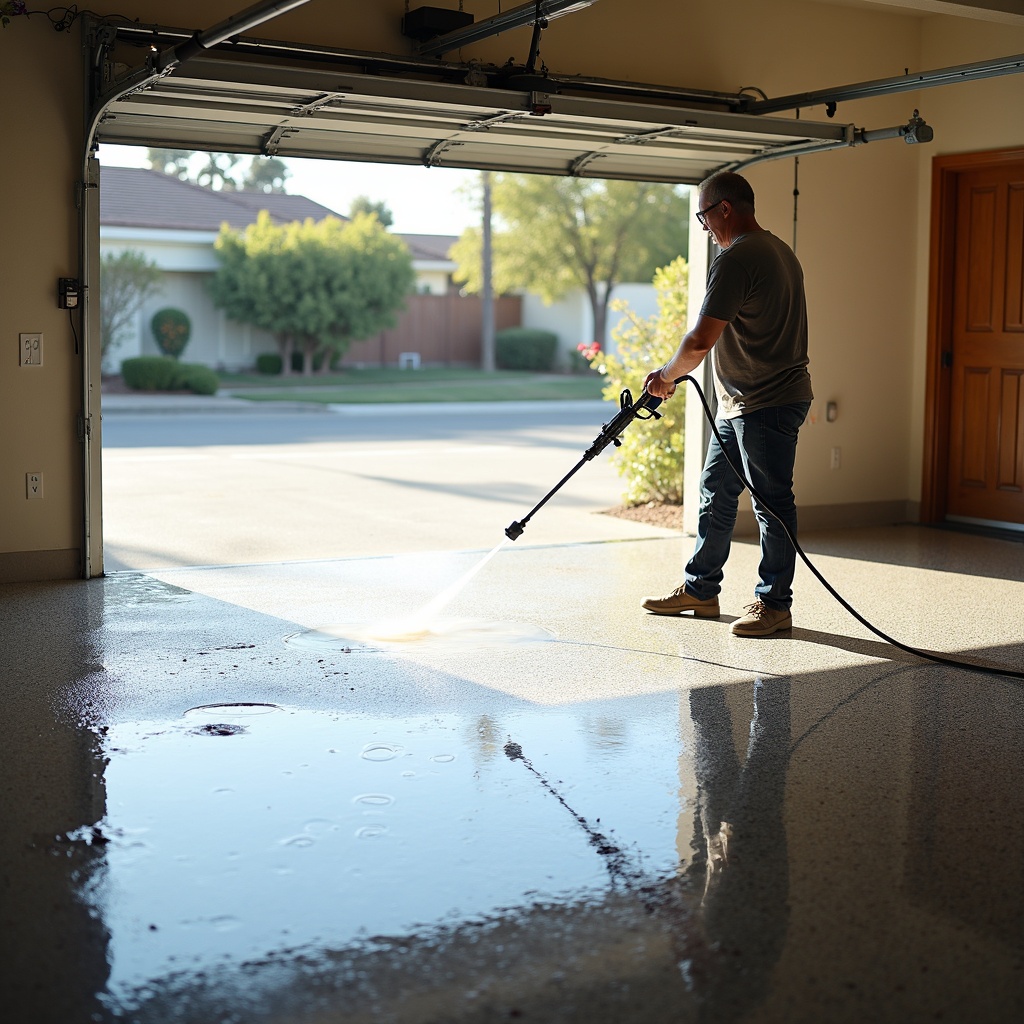
How often should I deep clean my epoxy garage floor in Porter Ranch?
Deep cleaning with pressure washing should occur twice yearly—spring and fall. Weekly dust mopping and monthly wet mopping with diluted ammonia or pH-neutral cleaners maintain appearance between deep cleans and prevent abrasive buildup that accelerates wear.
Can pressure washing damage my garage epoxy floor?
Pressure washing is safe when limited to 1,500-2,000 PSI with a 25-40 degree nozzle held at least 12-18 inches from the surface. Higher pressures or zero-degree tips can chip or peel the coating, especially along edges and previously damaged areas.
What are signs my Porter Ranch garage floor needs resealing?
Key indicators include widespread gloss loss in traffic areas, persistent stains that resist cleaning, visible micro-scratching under direct light, and texture changes where the surface feels rougher. These typically appear after 3-5 years in moderate-use residential garages.
Why should I hire Five Star Epoxy & Coatings for spring maintenance?
Professional assessment identifies subsurface issues invisible to homeowners, provides warranty-covered repair solutions, and ensures proper resealing techniques that maximize coating lifespan. Call (818) 355-3804 for expert spring floor evaluations tailored to Porter Ranch's climate conditions.
📖 More Tips for Porter Ranch


🏘️ Same Topic in Nearby Cities
❓ Frequently Asked Questions
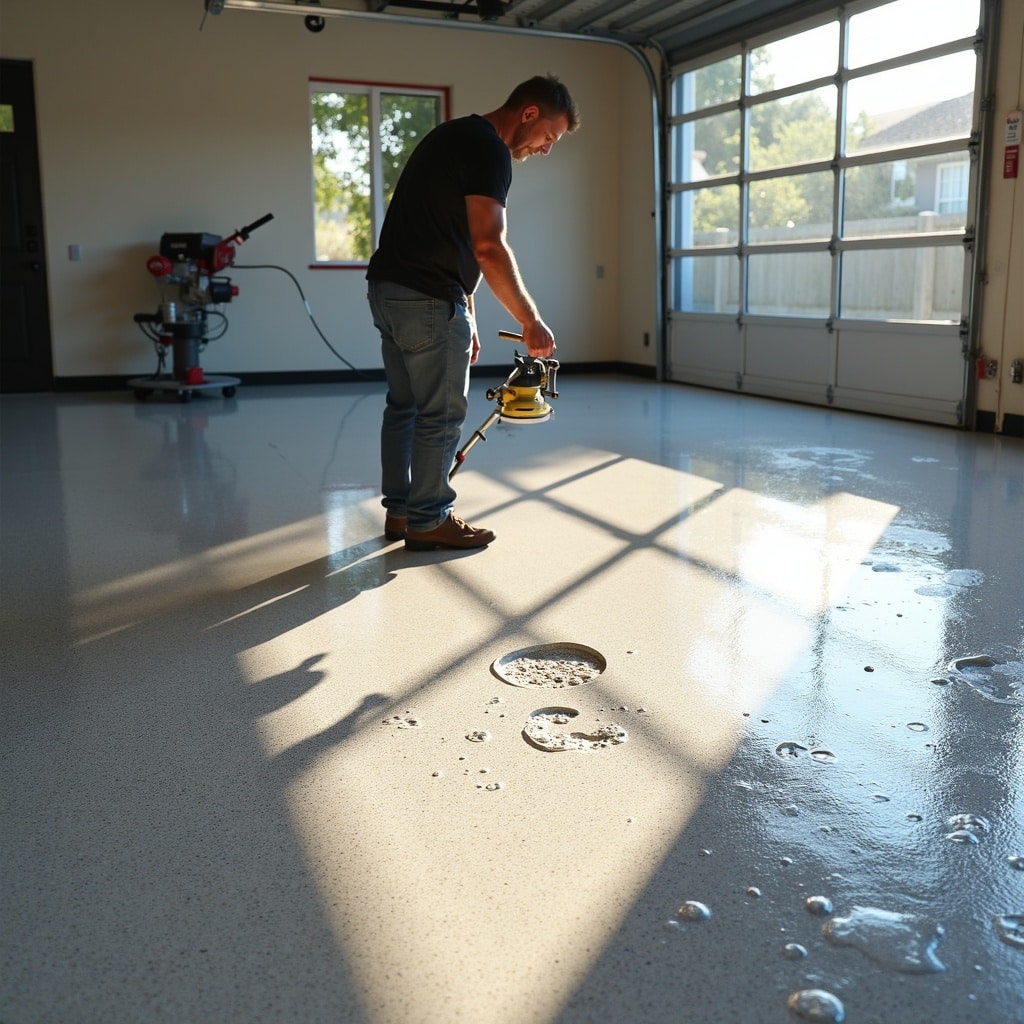
How much does it cost to repair bubbles in an epoxy garage floor?
DIY spot repairs for minor bubble issues typically cost $50-150 in materials. Professional repairs for moderate problems (affecting 20-30% of the floor) range from $800-1,500 for a two-car garage, while complete coating removal and reapplication costs $2,500-4,500 depending on floor size and system selected.
Can I fix small epoxy floor bubbles myself or should I hire a contractor?
You can successfully repair fewer than 25 small bubbles (under 1/4 inch) yourself using an orbital sander and matching coating material. However, if bubbles cover more than 20% of your floor, show pinholes indicating active gas release, or you discover moisture issues, professional repair from contractors like Five Star Epoxy & Coatings at (818) 355-3804 is necessary.
What causes bubbles to form in epoxy floor coating after installation?
Bubbles typically form from outgassing (trapped air escaping from porous concrete), temperature extremes during application or curing, high humidity during installation, or moisture vapor transmission through the slab. In Woodland Hills, heat-related bubbling is common when garage temperatures exceed 100°F during summer afternoons.
How long do epoxy floor bubble repairs last before needing redoing?
Properly executed repairs that address the underlying cause (moisture, temperature, or substrate porosity) should last as long as the original coating — typically 5-10 years. However, repairs that only fix surface bubbles without solving root problems may fail again within 6-12 months, requiring professional intervention to correct the fundamental issue.