
• March 25th, 2026

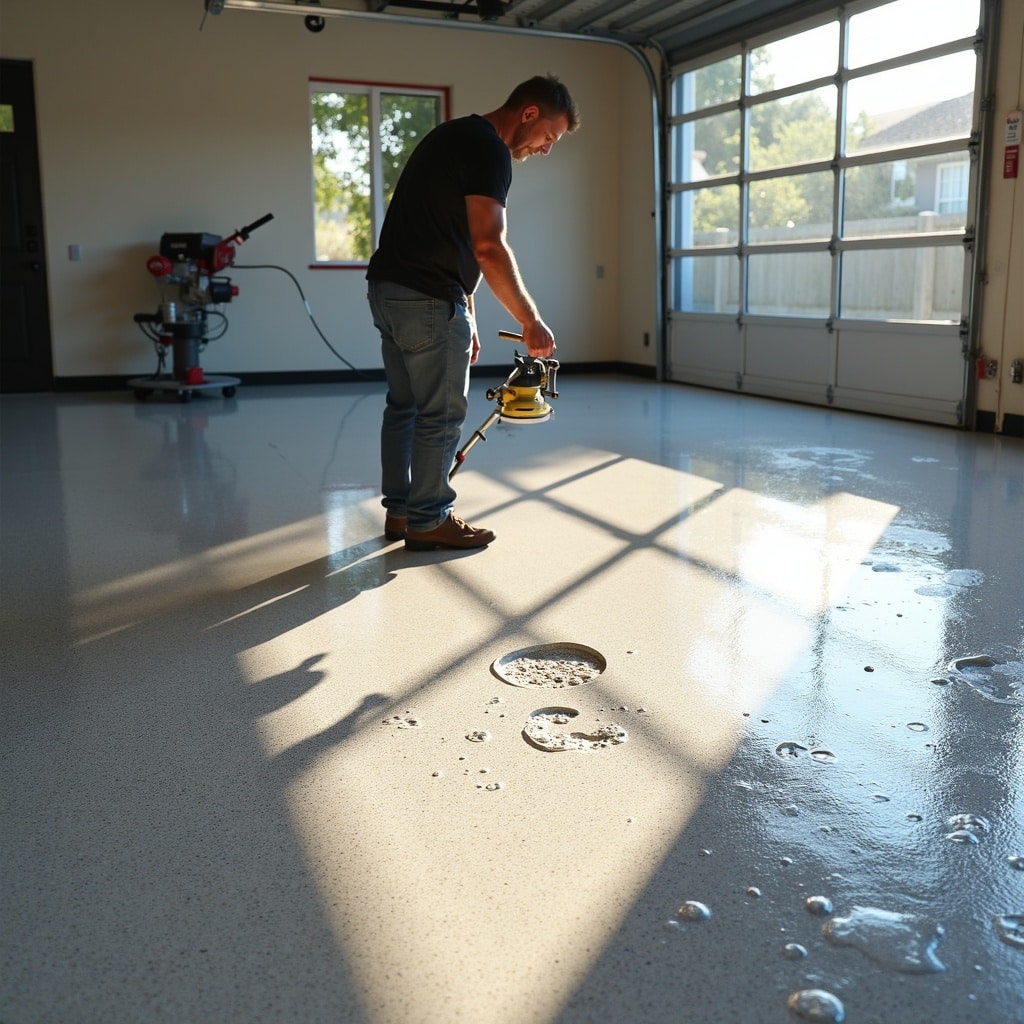
    Discover professional step-by-step methods to fix bubbles in your Woodland Hills epoxy floor coating, from identifying causes to choosing the right repair approach. Learn when DIY fixes work and when expert intervention saves time and money.
  • ❓ Frequently Asked Questions

    How much does it cost to repair bubbles in an epoxy garage floor?

    DIY spot repairs for minor bubble issues typically cost $50-150 in materials. Professional repairs for moderate problems (affecting 20-30% of the floor) range from $800-1,500 for a two-car garage, while complete coating removal and reapplication costs $2,500-4,500 depending on floor size and system selected.

    Can I fix small epoxy floor bubbles myself or should I hire a contractor?

    You can successfully repair fewer than 25 small bubbles (under 1/4 inch) yourself using an orbital sander and matching coating material. However, if bubbles cover more than 20% of your floor, show pinholes indicating active gas release, or you discover moisture issues, professional repair from contractors like Five Star Epoxy & Coatings at (818) 355-3804 is necessary.

    What causes bubbles to form in epoxy floor coating after installation?

    Bubbles typically form from outgassing (trapped air escaping from porous concrete), temperature extremes during application or curing, high humidity during installation, or moisture vapor transmission through the slab. In Woodland Hills, heat-related bubbling is common when garage temperatures exceed 100°F during summer afternoons.

    How long do epoxy floor bubble repairs last before needing redoing?

    Properly executed repairs that address the underlying cause (moisture, temperature, or substrate porosity) should last as long as the original coating — typically 5-10 years. However, repairs that only fix surface bubbles without solving root problems may fail again within 6-12 months, requiring professional intervention to correct the fundamental issue.

    🏘️ Same Topic in Nearby Cities

  • March 11th, 2026

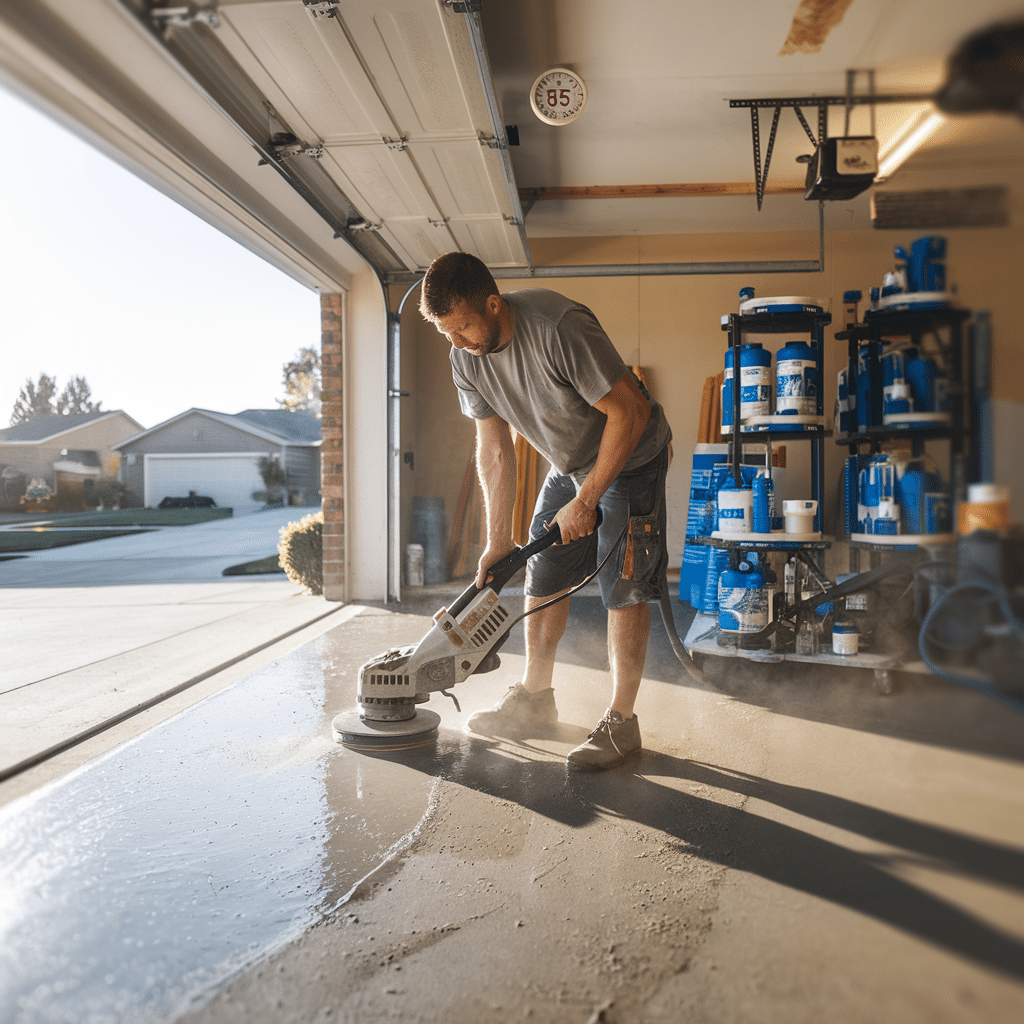
    Valley floor heat in Woodland Hills compresses epoxy installation windows to three critical morning hours. Understanding how sustained summer temperatures alter application chemistry determines whether your garage floor lasts two decades or fails within months.
  • ❓ Frequently Asked Questions

    What garage floor temperature is too hot for epoxy application in Woodland Hills?

    Concrete surface temperatures above 85°F begin accelerating epoxy cure rates beyond manufacturer specifications. In Woodland Hills' summer valley heat, garage floors often reach 95-105°F by mid-morning, making only the 5:30-8:30 AM window viable for proper application and chemical bonding.

    Can I install garage floor epoxy myself during Woodland Hills summer heat?

    While possible, summer DIY installations face compressed working times, accelerated curing, and unreliable moisture testing due to thermal vapor drive. Professional installers use infrared monitoring, climate staging, and adjusted formulations that account for valley-specific heat retention patterns most homeowners cannot replicate.

    Why does my Woodland Hills garage floor need different epoxy prep than cooler climates?

    Valley floor thermal mass stores and radiates heat independent of air temperature, keeping concrete warm well past sunset. This sustained warmth accelerates moisture vapor transmission through clay-heavy soil, alters acid-etch reaction rates, and requires temperature-specific testing protocols that standard instructions don't address.

    Should I wait until fall to install epoxy flooring in my Woodland Hills garage?

    October through April installations in Woodland Hills provide stable temperatures, longer working windows, and predictable cure cycles that significantly improve outcomes. Summer installations require dawn-only application, split scheduling, and specialized equipment. Call Five Star Epoxy & Coatings at (818) 355-3804 to discuss seasonal timing strategies for your specific garage conditions.

    🏘️ Same Topic in Nearby Cities

  • February 15th, 2026

    Discover why bubbles form in epoxy floor coatings and how to fix them. This Woodland Hills homeowner's guide covers outgassing, temperature issues, DIY repair techniques, and when professional help is needed.

  • ❓ Frequently Asked Questions

    Why do bubbles keep appearing in my epoxy garage floor weeks after installation in Woodland Hills?

    Continuing bubble formation typically indicates ongoing moisture vapor transmission from the concrete slab beneath your coating. In Woodland Hills's climate, temperature fluctuations cause trapped moisture to vaporize and push through the epoxy. This suggests the concrete wasn't adequately dried before installation or lacks proper moisture barrier treatment. Professional moisture testing and mitigation are usually required to stop recurrence.

    Can I sand down small bubbles in my epoxy floor without recoating the entire garage?

    Yes, minor surface bubbles smaller than a dime can be successfully sanded with 220-grit sandpaper and spot-recoated with matching epoxy topcoat. This works best for cosmetic bubbles that haven't compromised adhesion. Larger bubbles or those indicating delamination require cutting out the damaged section and patching with fresh epoxy to restore structural integrity.

    How much does professional epoxy bubble repair typically cost in Woodland Hills?

    Professional repair of minor bubble damage in a standard two-car garage runs $200-400 in Woodland Hills, covering materials and labor for patching 10-15 problem areas. Extensive repairs requiring removal and reinstallation cost $2,500-5,000 for 400-500 square feet. Five Star Epoxy & Coatings at (818) 355-3804 provides free assessments to determine the most cost-effective repair approach for your specific situation.

    What temperature conditions prevent bubbles when applying epoxy flooring in Southern California?

    Concrete surface temperatures should remain between 55°F and 85°F during application and curing, with stable conditions for 24 hours post-installation. In Woodland Hills, morning applications between 7-10 AM offer optimal stability before afternoon heat creates temperature swings. Avoid applying epoxy when forecasts predict temperature fluctuations exceeding 20°F during the cure window, as rapid temperature changes cause the concrete to outgas and create bubbles.

    🏘️ Same Topic in Nearby Cities