❓ Frequently Asked Questions
How long does it take for tire marks to become permanent on garage floor epoxy?
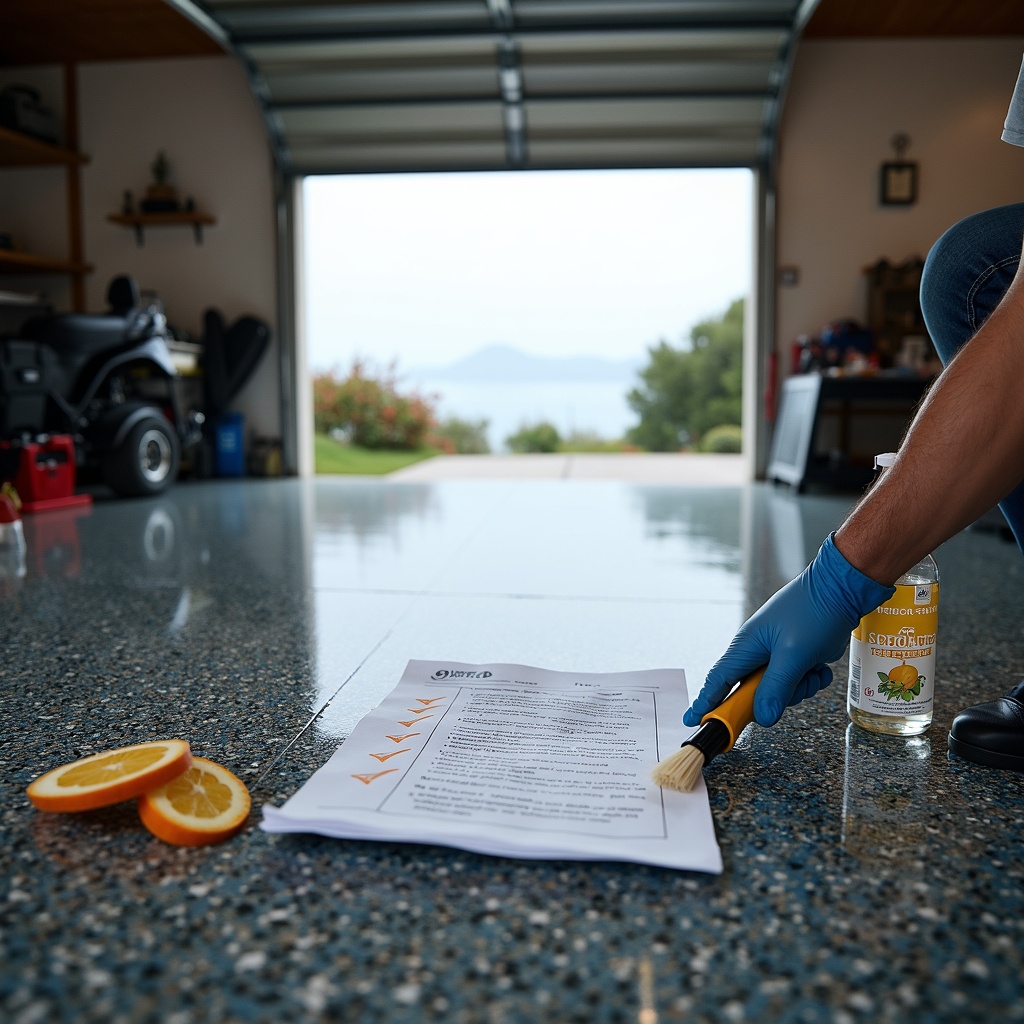
Tire marks become progressively harder to remove the longer they sit. Fresh marks from plasticizer transfer can often be cleaned within minutes using dish soap, while marks left for several weeks may penetrate the coating surface and require specialized citrus-based cleaners or professional intervention to fully remove.
Can hot tire pickup happen on properly installed garage epoxy in Malibu's climate?
Yes, but it's far less common with quality installations. Malibu's moderate coastal temperatures (typically 49°F to 76°F year-round) reduce tire heating compared to inland valleys, but hot tire pickup can still occur if low-grade water-based coatings were used or if the floor wasn't allowed proper cure time before vehicle traffic.
What's the difference between tire marks and hot tire pickup on epoxy floors?
Tire marks are surface discoloration from rubber plasticizers that can usually be cleaned with appropriate products. Hot tire pickup is actual coating failure where the epoxy peels away from the concrete, requiring professional repair rather than cleaning. Run your fingernail across the area — if the coating is lifting or peeling, it's hot tire pickup.
Should I hire Five Star Epoxy & Coatings if my DIY cleaning damaged my garage floor?
Absolutely. If aggressive solvents or abrasive tools have dulled, scratched, or stripped areas of your epoxy coating, Five Star Epoxy & Coatings can assess the damage and recommend spot repairs or professional recoating. We serve all Malibu neighborhoods and use commercial-grade systems designed to prevent both tire marks and coating failures common with DIY products.
🏘️ Same Topic in Nearby Cities
❓ Frequently Asked Questions
What concrete surface temperature is too hot for epoxy application in Granada Hills?
Concrete surface temperatures above 85°F create adhesion problems for epoxy coatings. Granada Hills garages in direct sun can reach 115-125°F by midday during summer, requiring early morning application windows when substrate temperatures drop to 70-80°F. Professional installers measure actual concrete temperature with infrared thermometers, not just air temperature, before beginning any epoxy work.
How does Granada Hills' elevation affect garage floor epoxy preparation compared to other valley cities?
Granada Hills spans a 200-300 foot elevation range from valley floor to foothills, creating distinct microclimates within the same city. Upper elevation areas near Knollwood cool faster in mornings and evenings, offering longer application windows than lower Granada Hills South locations. This elevation variation requires neighborhood-specific preparation timing rather than generic valley-wide protocols.
Should I wait until fall to install garage floor epoxy in Granada Hills or can summer work?
Summer installations can succeed in Granada Hills with proper preparation—concrete temperature mapping, early morning application windows (5-8 AM), and moisture vapor testing adjusted for heat conditions. However, fall installations from late September through November offer more forgiving conditions with cooler concrete and longer work windows. Contact Five Star Epoxy & Coatings at (818) 355-3804 for honest assessment of whether your specific garage qualifies for summer installation or benefits from fall scheduling.
Why does grinding garage floors create problems during Granada Hills summer heat?
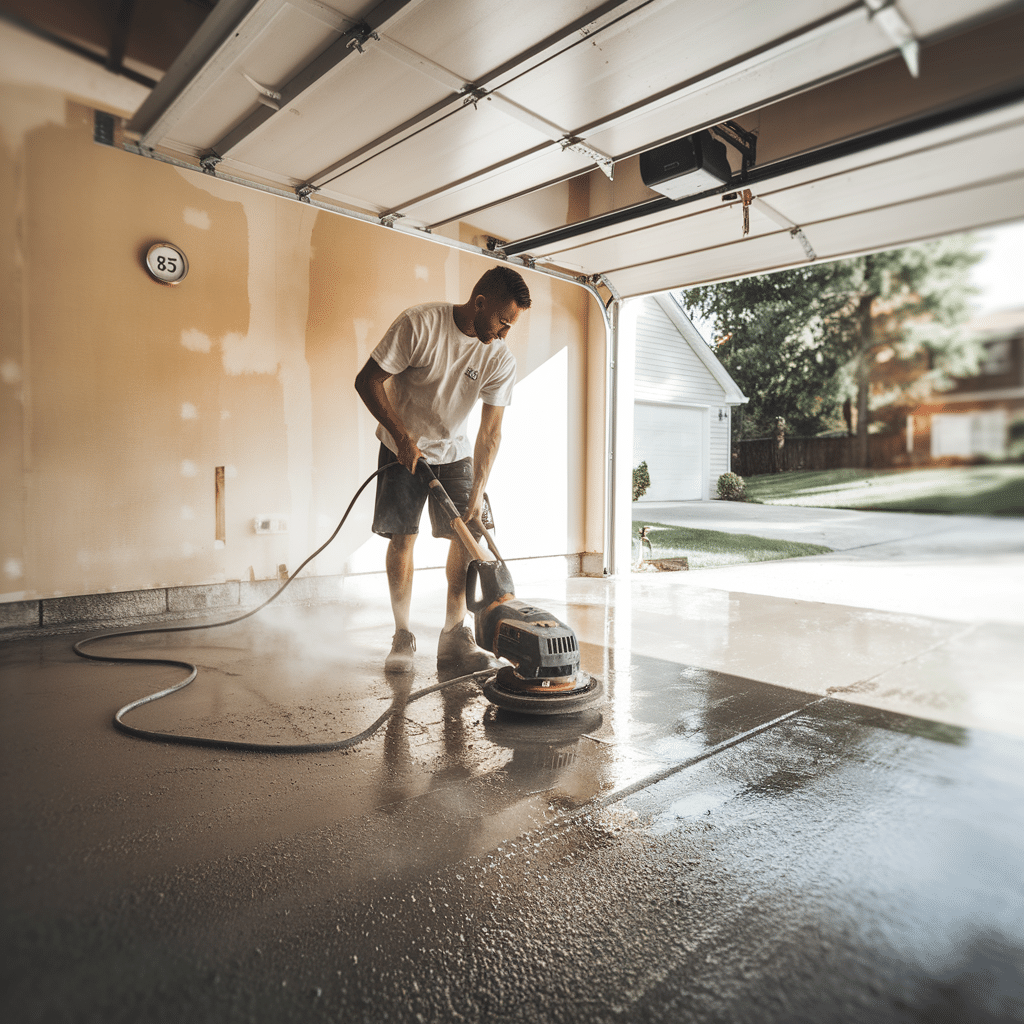
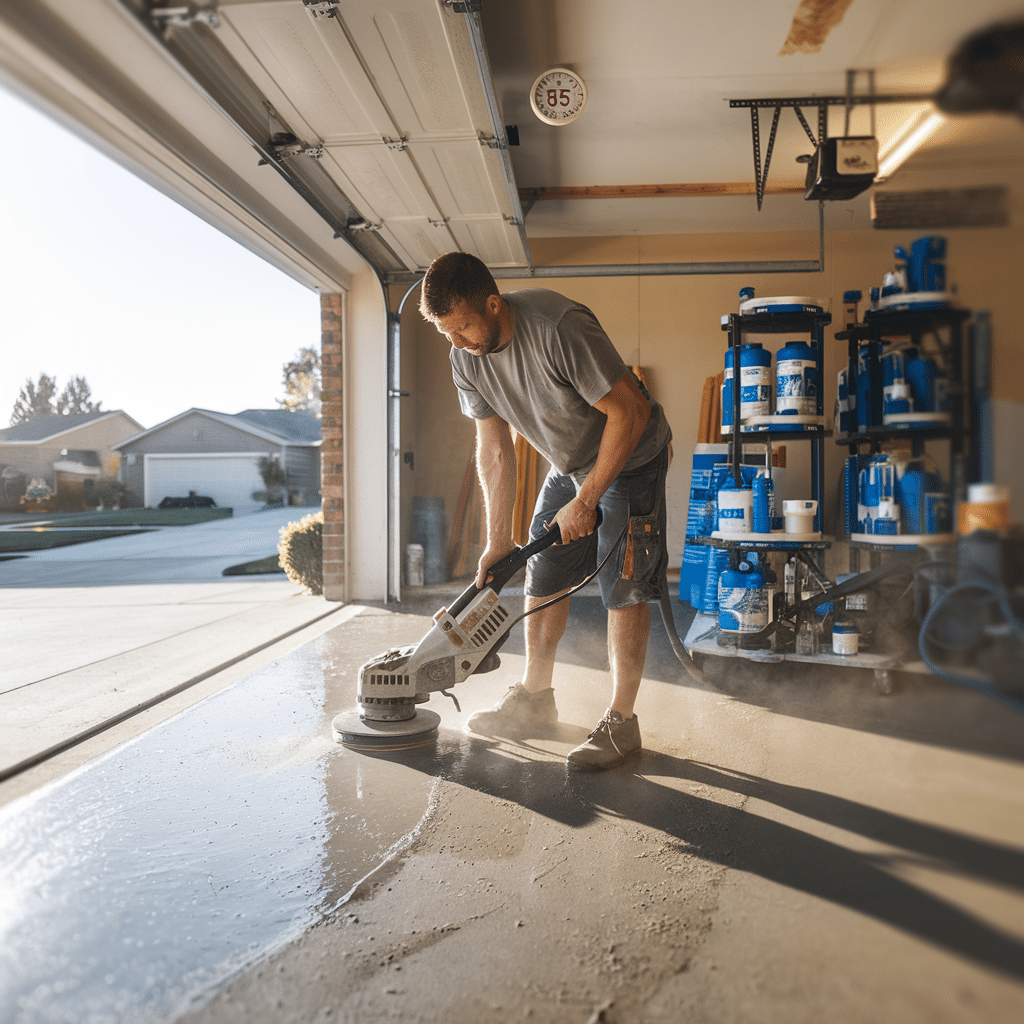
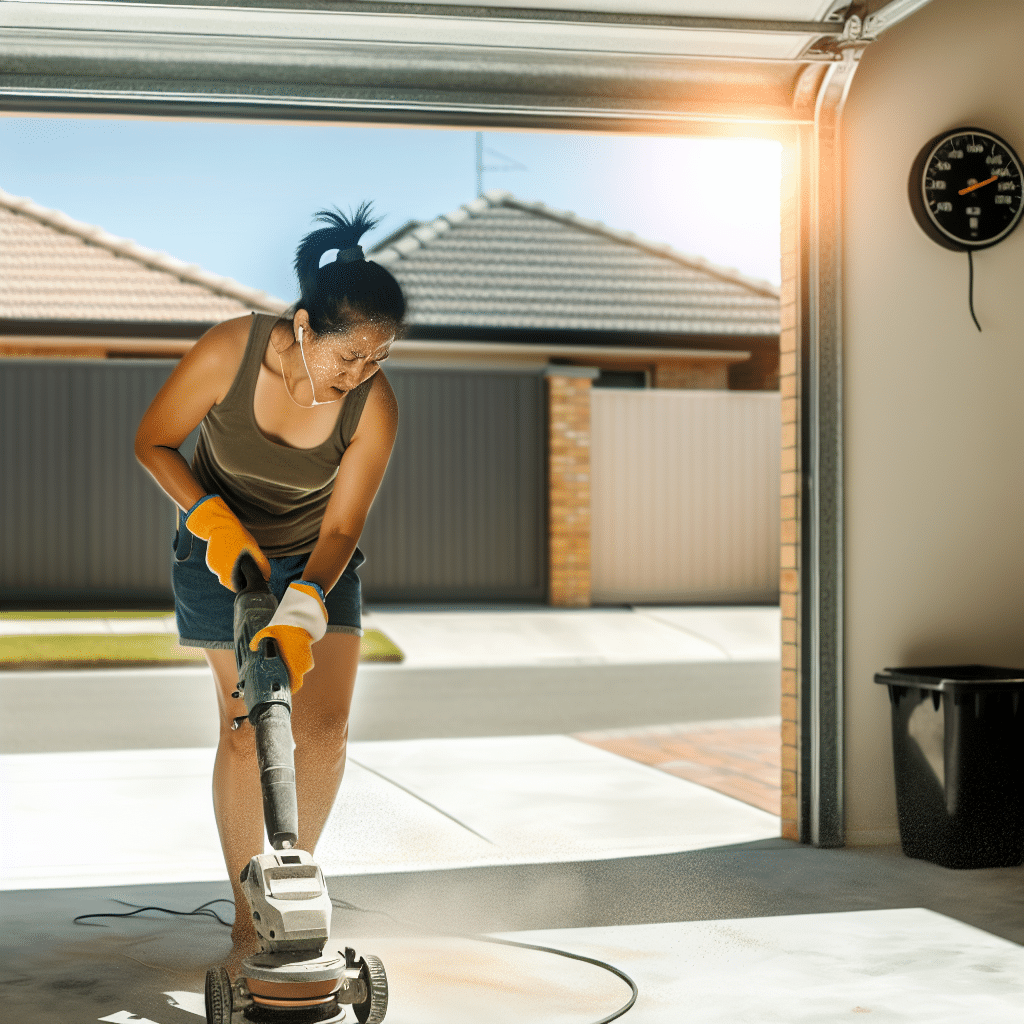
Diamond grinding generates friction heat that can raise concrete surface temperature 15-20°F within minutes, pushing already-warm summer slabs beyond safe epoxy application ranges. Professional preparation requires grinding during coolest hours (5-7 AM) then waiting 2-3 hours for substrate temperature to stabilize before applying primers. Skipping this cooling period causes primers to flash-cure before proper penetration, leading to adhesion failure.
🏘️ Same Topic in Nearby Cities
❓ Frequently Asked Questions
What garage floor temperature is too hot for epoxy application in Woodland Hills?
Concrete surface temperatures above 85°F begin accelerating epoxy cure rates beyond manufacturer specifications. In Woodland Hills' summer valley heat, garage floors often reach 95-105°F by mid-morning, making only the 5:30-8:30 AM window viable for proper application and chemical bonding.
Can I install garage floor epoxy myself during Woodland Hills summer heat?
While possible, summer DIY installations face compressed working times, accelerated curing, and unreliable moisture testing due to thermal vapor drive. Professional installers use infrared monitoring, climate staging, and adjusted formulations that account for valley-specific heat retention patterns most homeowners cannot replicate.
Why does my Woodland Hills garage floor need different epoxy prep than cooler climates?
Valley floor thermal mass stores and radiates heat independent of air temperature, keeping concrete warm well past sunset. This sustained warmth accelerates moisture vapor transmission through clay-heavy soil, alters acid-etch reaction rates, and requires temperature-specific testing protocols that standard instructions don't address.
Should I wait until fall to install epoxy flooring in my Woodland Hills garage?
October through April installations in Woodland Hills provide stable temperatures, longer working windows, and predictable cure cycles that significantly improve outcomes. Summer installations require dawn-only application, split scheduling, and specialized equipment. Call Five Star Epoxy & Coatings at (818) 355-3804 to discuss seasonal timing strategies for your specific garage conditions.
🏘️ Same Topic in Nearby Cities
❓ Frequently Asked Questions
What's the ideal surface temperature for applying garage floor epoxy in Northridge during summer?
Concrete surface temperatures should stay between 55°F and 85°F during epoxy application. In Northridge's summer heat, this typically means working between 6 AM and 10 AM before surfaces exceed safe ranges. Professional installers use infrared thermometers to continuously monitor temps and stop application if readings climb above 85°F, as overheated concrete causes rapid curing that traps air bubbles and prevents proper adhesion.
How does summer moisture vapor transmission affect epoxy coating success in Northridge garages?
Summer heat pulls ground moisture upward through concrete slabs at rates three times higher than winter, creating vapor pressure that can cause epoxy delamination weeks after installation. In Northridge, especially near irrigated areas, calcium chloride tests often show emission rates requiring vapor barrier primers or extended drying periods. Five Star Epoxy & Coatings performs comprehensive moisture testing before every summer installation to ensure long-term adhesion.
Can I have epoxy installed in my Northridge garage during July and August?
Yes, but it requires specialized summer protocols including early-morning application windows, enhanced moisture testing, and controlled curing environments. Professional installers schedule work to complete epoxy application before 10 AM, allowing initial cure during cooler overnight hours when Northridge temperatures stabilize in the 70s. This approach compensates for the Valley's extreme diurnal temperature swings that can stress curing coatings.
Why do Northridge garage floors need different prep during summer compared to winter?
Hot concrete requires modified diamond grinding techniques to prevent thermal shocking and additional dust control measures since dry summer air increases static-driven particle contamination. Starting temperatures of 85°F mean mechanical prep can push surfaces into dangerous ranges, so installers work in sections with cooling breaks and industrial fans. These summer-specific adjustments ensure proper surface profile without compromising coating adhesion—critical for installations that need to last 15+ years.