
-
 Fixing Moisture Blisters in Woodland Hills Garage Epoxy
Moisture blisters in your Woodland Hills garage epoxy signal vapor transmission problems that require proper diagnosis and repair.…
-
Rescuing Your Epoxy Floor: Bubble Repair Steps
Discover professional step-by-step methods to fix bubbles in your Woodland Hills epoxy floor coating, from identifying causes to…
-
What Causes Bubbles in Your Garage Epoxy Floor? A Woodland Hills Repair Guide
Discover why bubbles form in epoxy floor coatings and how to fix them. This Woodland Hills homeowner's guide…
-
UV-Stable vs Standard Topcoat Myths: Woodland Hills Guide
Discover the truth behind five persistent myths about metallic epoxy topcoat costs in Woodland Hills. We compare UV-stable…
-
Metallic Epoxy Pattern Costs: Simple vs Custom Swirls
Pattern complexity dramatically impacts metallic epoxy costs, with simple swirls starting at $7-$12 per square foot while custom…
-
Metallic vs Flake Garage Epoxy: Timing & Cost Granada Hills
Metallic and flake epoxy garage floors differ dramatically in cost, installation timing, and long-term value. This Granada Hills…
-
Pre-Installation Checklist: Granada Hills Garage Floor Epoxy Setup in Valley Summer Conditions
Granada Hills' foothill microclimate creates unique summer epoxy challenges—concrete temperature mapping, moisture vapor management, and surface prep timing…
❓ Frequently Asked Questions
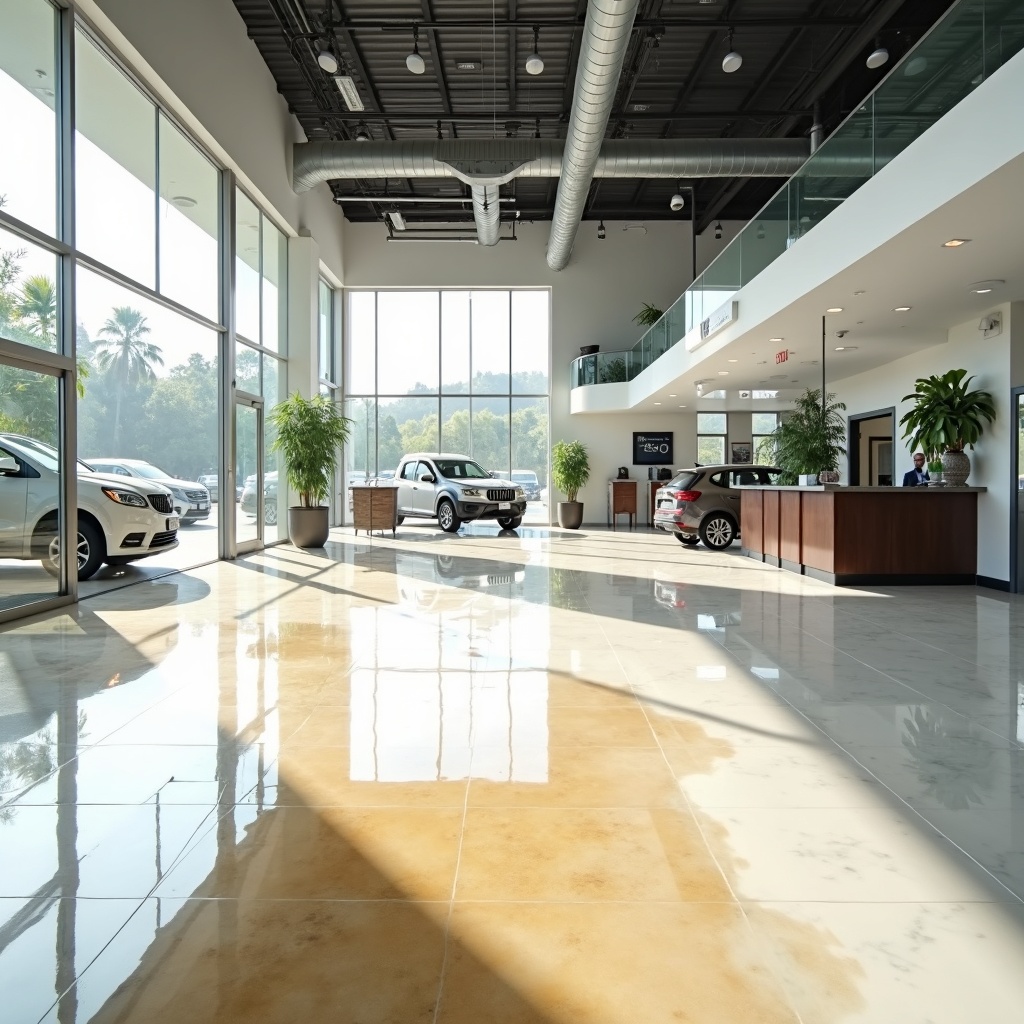
How long does it take for clear epoxy to yellow in Woodland Hills showrooms?
Aromatic epoxy coatings can begin yellowing within 3-6 months when exposed to Woodland Hills' very high UV index, especially in showrooms with large south or west-facing windows. Aliphatic epoxy formulations with UV stabilizers may maintain clarity for 2-3 years, while properly applied polyaspartic topcoat systems can remain clear for 10+ years with appropriate maintenance.
Can I reverse yellowing in epoxy flooring once it has occurred?
No, yellowing is a permanent chemical change in the epoxy's molecular structure caused by UV-induced photo-oxidation. The only way to restore a clear appearance is to physically remove the yellowed layer through sanding or grinding, then apply a fresh UV-resistant coating system. Applying a topcoat over yellowed epoxy will prevent further damage but won't reverse existing discoloration.
Why does my showroom epoxy yellow even without direct sunlight?
Indoor lighting contributes significantly to epoxy yellowing. Fluorescent, halogen, and mercury vapor lights all emit UV radiation that breaks down epoxy's aromatic chemical bonds over time. Even indirect sunlight through windows contains enough UV energy to cause gradual yellowing. Switching to LED lighting and using UV-filtering window films can dramatically reduce this indoor yellowing process.
Should I choose aliphatic polyurethane or polyaspartic topcoat for my Woodland Hills commercial floor?
For high-sun exposure showrooms in Woodland Hills, polyaspartic topcoats offer superior long-term UV resistance and can maintain clarity for 10+ years. Aliphatic polyurethane provides good protection for 5-7 years and costs less, making it suitable for moderate sun exposure. Contact Five Star Epoxy & Coatings at (818) 355-3804 for a site-specific recommendation based on your showroom's exact UV exposure profile.
📖 More Tips for Woodland Hills


🏘️ Same Topic in Nearby Cities
❓ Frequently Asked Questions
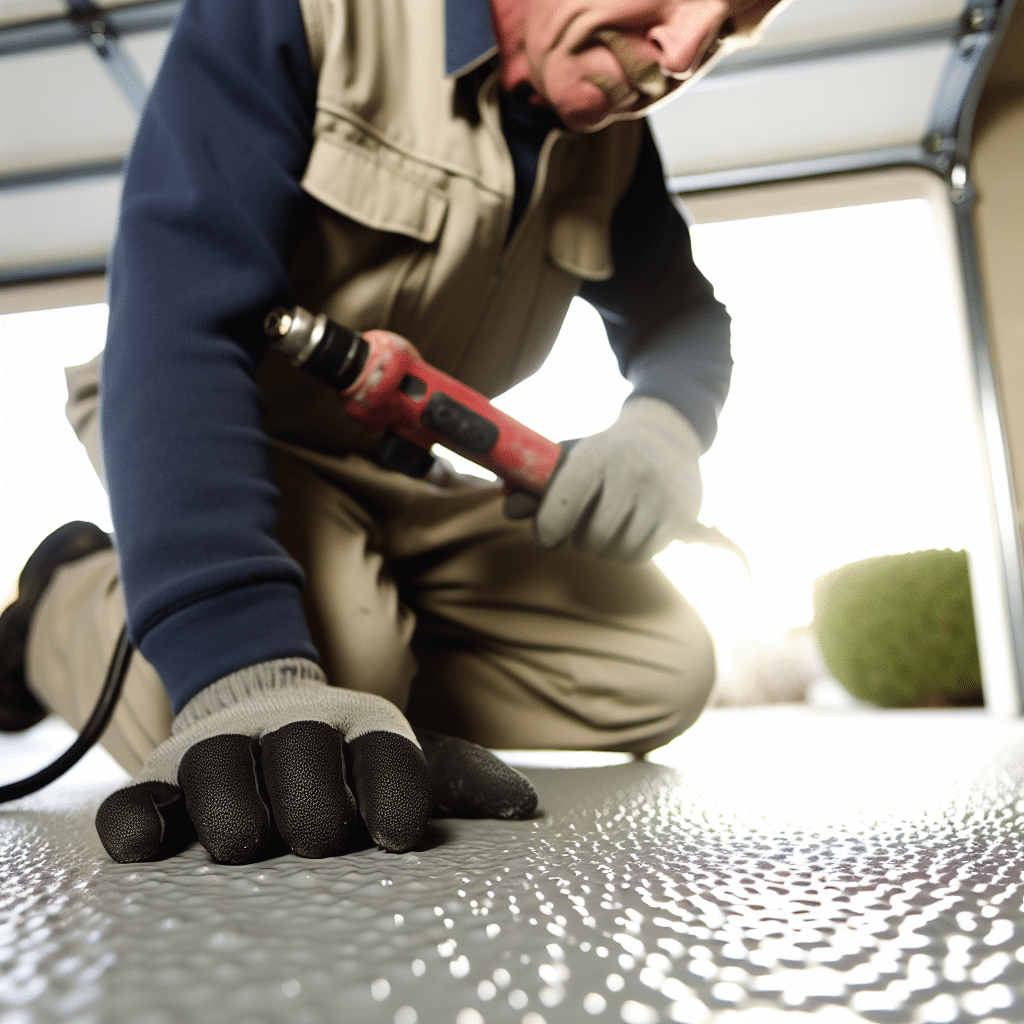
Why do bubbles appear in epoxy floors days after installation in Granada Hills?
Bubbles typically result from concrete outgassing caused by temperature fluctuations. When epoxy is applied during cool Granada Hills mornings and concrete temperatures rise 20-30 degrees by afternoon, trapped air expands and pushes through the curing coating. Moisture vapor from slabs without proper barriers also creates delayed bubbling, especially in older homes.
Can I repair small epoxy floor bubbles myself or should I hire a contractor?
Small surface bubbles under a quarter-inch diameter can be successfully repaired by homeowners using careful sanding, cleaning, and patching techniques. However, bubbles larger than half an inch, those containing moisture, or widespread problems covering more than 10% of the floor should be evaluated by professionals like Five Star Epoxy & Coatings at (818) 355-3804 to ensure proper repair and prevent recurrence.
How much does professional epoxy floor bubble repair cost in Granada Hills?
Professional spot repair for minor bubble issues typically ranges from $200-400 for small areas, while extensive repairs requiring section removal and re-coating run $5-8 per square foot. Complete floor re-coating costs $7-12 per square foot in Granada Hills. The cost depends on damage extent, whether moisture mitigation is needed, and the specific products required to match existing coatings.
What's the best time of year to prevent bubbles when installing epoxy floors?
Late fall through early spring offers optimal conditions in Granada Hills, with stable temperatures between 60-75 degrees and moderate humidity. Avoid summer installations when concrete surface temperatures exceed 85 degrees, and never apply during Santa Ana wind conditions. Schedule work for early morning hours when temperatures are most stable throughout the curing period.