❓ Frequently Asked Questions
How much more does metallic epoxy actually cost compared to flake systems in Granada Hills?
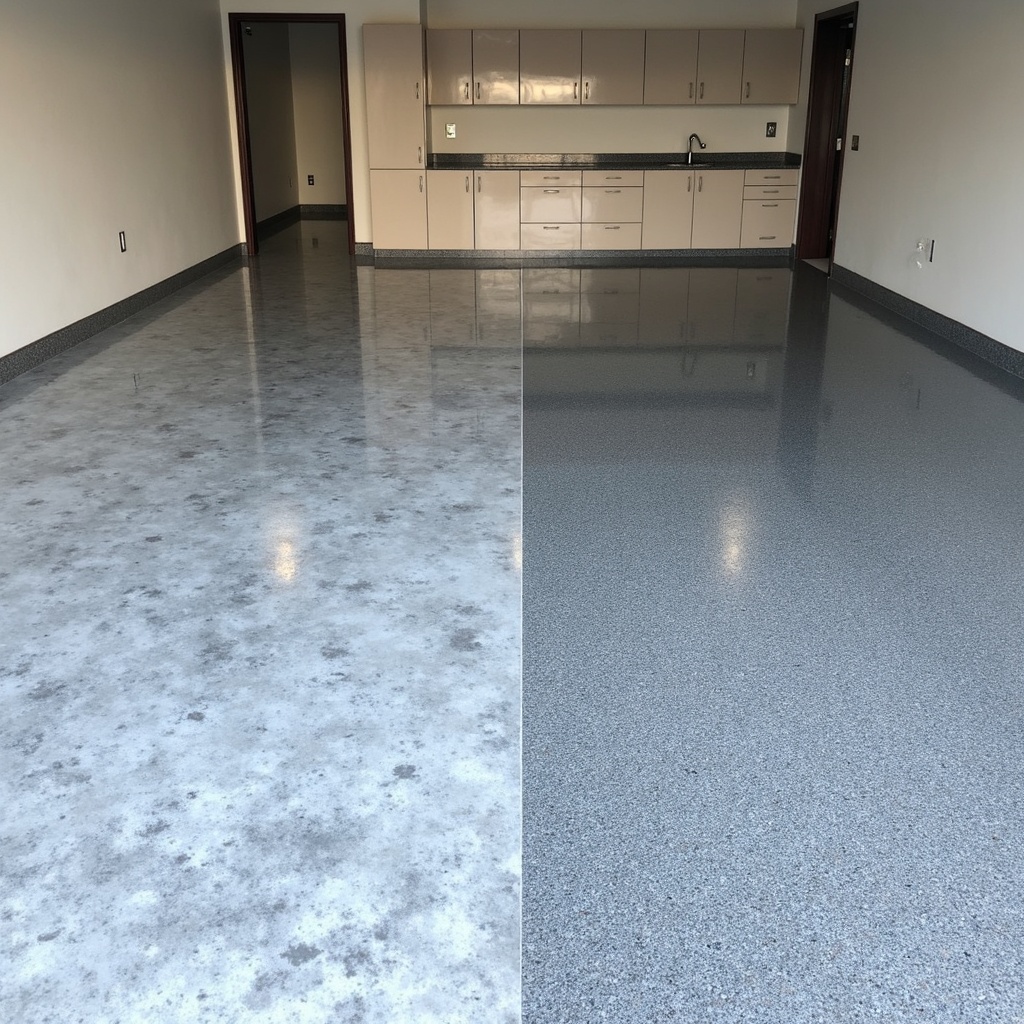
Metallic epoxy typically costs $4,000-$7,500 for a standard two-car garage (500 sq ft) compared to $2,500-$5,000 for flake systems—roughly 60% more initially. However, metallic systems require more frequent topcoat maintenance ($1,200-$1,800 every 4-5 years vs $500-$1,000 every 5-7 years for flakes), increasing the 10-year total cost differential to 75-85% higher.
Can metallic epoxy be installed in Granada Hills during summer months?
Metallic epoxy can be installed during Valley summers but faces significant challenges when concrete temperatures exceed 90°F. The compressed working time (as little as 8 minutes vs 20 minutes in ideal conditions) makes achieving seamless patterns extremely difficult. Reputable contractors schedule summer metallic installations for early morning starts (6 AM or earlier) when temperatures are manageable, adding logistical complexity that flake systems don't require.
Which garage floor system adds more value when selling a Granada Hills home?
Both systems deliver positive ROI, but differently. Flake epoxy appeals to the broadest buyer demographic with its practical, well-maintained appearance—ideal for family-oriented neighborhoods. Metallic systems create memorable showroom aesthetics that can elevate luxury property perceptions but may polarize buyers with bold styling. For standard Granada Hills homes, flake systems typically offer safer resale value; for high-end properties targeting design-conscious buyers, metallics can justify their premium.
How can I get an accurate quote from Five Star Epoxy & Coatings for my Granada Hills garage?
Call (818) 355-3804 to schedule an on-site assessment where Five Star Epoxy & Coatings evaluates your concrete condition, discusses seasonal timing strategies, and presents detailed cost estimates for both metallic and flake systems. The team brings physical sample boards to your property so you can visualize options under your garage's actual lighting conditions rather than relying on generic photos.
🏘️ Same Topic in Nearby Cities
❓ Frequently Asked Questions
Why do bubbles appear in epoxy floors days after installation in Granada Hills?
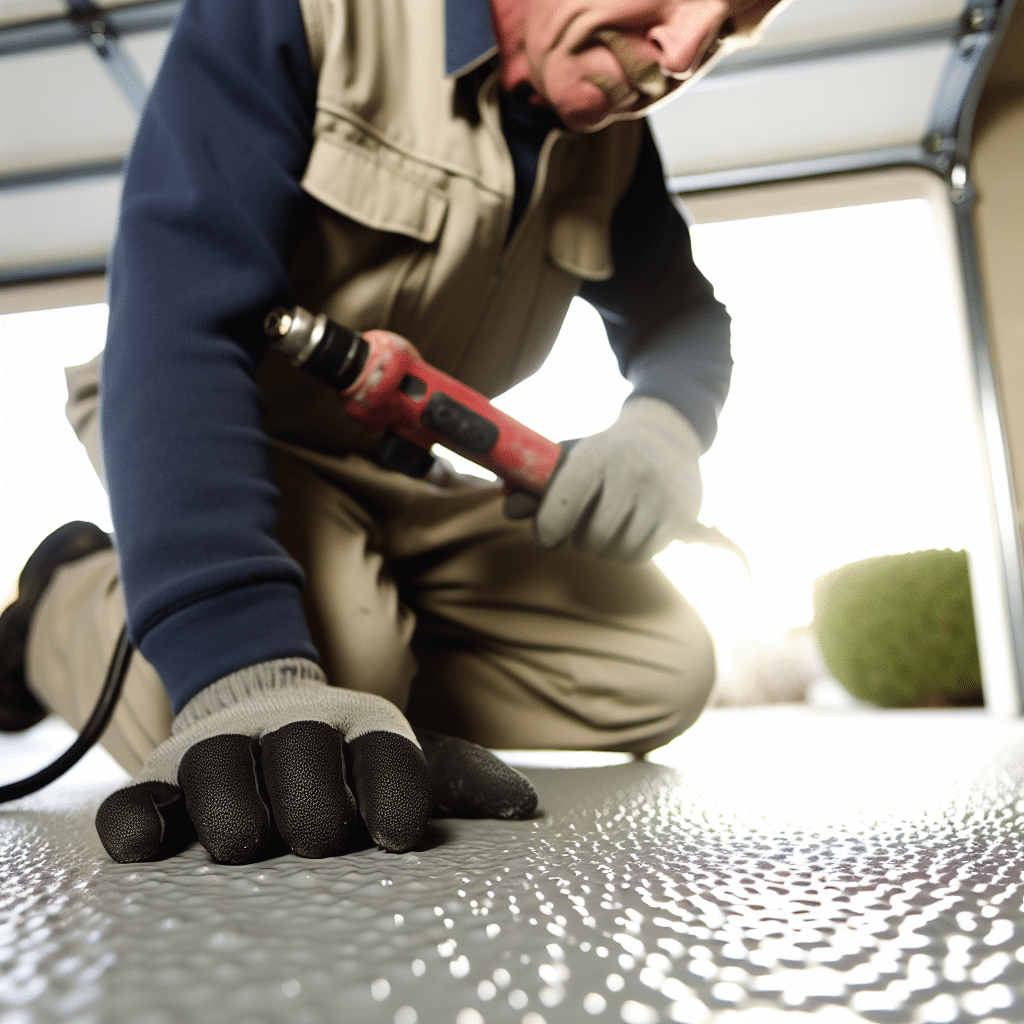
Bubbles typically result from concrete outgassing caused by temperature fluctuations. When epoxy is applied during cool Granada Hills mornings and concrete temperatures rise 20-30 degrees by afternoon, trapped air expands and pushes through the curing coating. Moisture vapor from slabs without proper barriers also creates delayed bubbling, especially in older homes.
Can I repair small epoxy floor bubbles myself or should I hire a contractor?
Small surface bubbles under a quarter-inch diameter can be successfully repaired by homeowners using careful sanding, cleaning, and patching techniques. However, bubbles larger than half an inch, those containing moisture, or widespread problems covering more than 10% of the floor should be evaluated by professionals like Five Star Epoxy & Coatings at (818) 355-3804 to ensure proper repair and prevent recurrence.
How much does professional epoxy floor bubble repair cost in Granada Hills?
Professional spot repair for minor bubble issues typically ranges from $200-400 for small areas, while extensive repairs requiring section removal and re-coating run $5-8 per square foot. Complete floor re-coating costs $7-12 per square foot in Granada Hills. The cost depends on damage extent, whether moisture mitigation is needed, and the specific products required to match existing coatings.
What's the best time of year to prevent bubbles when installing epoxy floors?
Late fall through early spring offers optimal conditions in Granada Hills, with stable temperatures between 60-75 degrees and moderate humidity. Avoid summer installations when concrete surface temperatures exceed 85 degrees, and never apply during Santa Ana wind conditions. Schedule work for early morning hours when temperatures are most stable throughout the curing period.