What to Look for in an Epoxy Coating Company: A 2026 Hiring Guide
Hiring the wrong epoxy coating company can cost you thousands in repairs. This 2026 guide walks you through every step of finding, vetting, and hiring a contractor who will get it right the first time.

What Should You Know Before Hiring an Epoxy Coating Company?
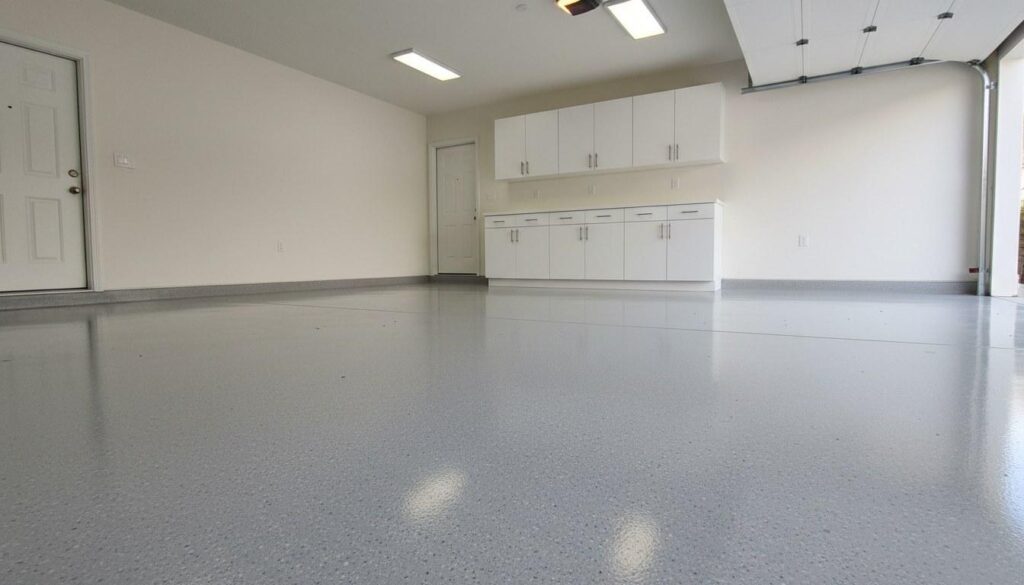
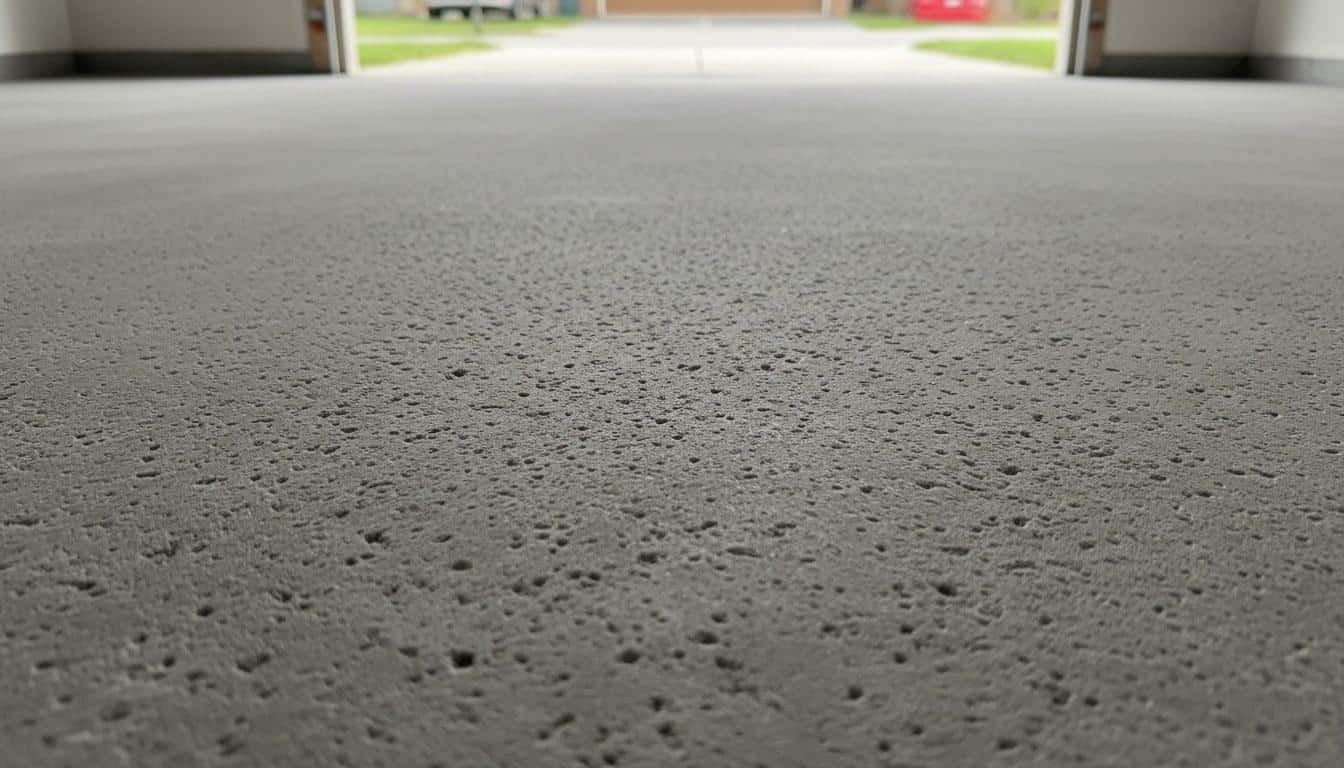
The most important thing to understand before using any epoxy coating company guide is that installation quality depends almost entirely on surface preparation — not the brand of coating used. A premium product applied over a poorly prepped slab will peel within months. A properly prepped floor with a mid-grade coating will last a decade or more.
A properly prepped floor with a mid-grade coating will last a decade or more — surface preparation matters far more than the brand of coating used.
Epoxy coatings bond chemically to concrete. For that bond to hold, the slab must be clean, dry, and mechanically profiled — usually by diamond grinding or shot blasting. Contractors who skip this step to save time are the most common source of coating failures across California.
As of 2026, the epoxy flooring market has grown significantly, which means more options — and more variation in quality. Knowing what to look for before you sign anything is the difference between a floor that lasts 10 to 15 years and one you’re recoating in 18 months.
What Types of Epoxy Coatings Are Available — and Which One Do You Need?
There are four main categories of epoxy and polyaspartic coatings used in residential and commercial applications, and each has a different performance profile. Choosing the wrong system for your environment is a common and costly mistake.
Here is a quick breakdown of the most common systems:
| Coating Type | Best For | Thickness Range | Dry / Cure Time | Typical Lifespan |
|---|---|---|---|---|
| 100% Solids Epoxy | Garages, warehouses, heavy traffic | 3–10 mils per coat | 24–72 hours to foot traffic | 10–20 years with proper prep |
| Water-Based Epoxy | Light-duty residential, basements | 1–3 mils per coat | 12–24 hours | 3–7 years |
| Polyaspartic Topcoat | UV-exposed areas, fast-turnaround jobs | 2–5 mils per coat | 1–4 hours | 10–15 years over solid epoxy base |
| Metallic Epoxy | Showrooms, retail, decorative floors | 5–12 mils total system | 24–48 hours | 10–15 years |
Water-based epoxy is the least durable option. It works for low-traffic areas but should not be used in garages that see daily vehicle traffic. California’s climate — with wide temperature swings in inland valleys — puts extra stress on thin coatings, making thickness and product quality especially important here.
Polyaspartic coatings are often applied as a topcoat over a solid epoxy base. They cure faster and resist UV yellowing better than standard epoxy alone. For garages with direct sun exposure, a polyaspartic topcoat is worth the added cost.
How Much Does Epoxy Floor Coating Cost in California?
In the Southern California regional market, epoxy floor coating projects typically range from $3 to $12 per square foot, depending on the system chosen, the condition of the existing slab, and the complexity of the design. A standard two-car garage of roughly 400 square feet generally falls between $1,200 and $4,800 for a professional installation.
Our team sees roughly 60% of residential quotes fall in the $4 to $7 per square foot range for a full broadcast flake system with a polyaspartic topcoat — the most popular choice for California homeowners as of 2025–2026.
The factors that push costs higher include:
- Slab condition: Cracks, spalling, or previous coatings that need grinding off add prep time and labor cost.
- System thickness: A 3-coat system (primer, base, topcoat) costs more than a single-coat application but lasts significantly longer.
- Decorative options: Metallic epoxy and custom color blends require more material and skill, adding $2 to $4 per square foot over a standard system.
- Square footage: Smaller jobs (under 200 sq ft) often carry a minimum project fee, raising the effective per-square-foot cost.
- Access and obstacles: Built-in shelving, floor drains, and tight corners slow installation and add labor hours.
Always request a written, itemized quote before any work begins. A quote that lumps everything into one number makes it impossible to compare contractors fairly. Call (818) 355-3804 to get a detailed estimate for your specific project.

What Questions Should You Ask an Epoxy Coating Company Before Signing?
Asking the right questions before you hire an epoxy coating company is the single most effective way to separate quality contractors from those who will cut corners. Use this list as your pre-hire checklist.
- Are you licensed by the California Contractors State License Board (CSLB)? Verify the license number at cslb.ca.gov. In California, any project over $500 in combined labor and materials requires a valid contractor’s license.
- Do you carry general liability and workers’ compensation insurance? Ask for a certificate of insurance naming you as the certificate holder. If a worker is injured on your property and the contractor has no workers’ comp, you may be liable.
- What surface prep method do you use? The correct answer is diamond grinding or shot blasting. Acid etching alone is not sufficient for 100% solids epoxy systems.
- What is the total system thickness in mils? A quality residential system should be at least 10 mils total. Anything under 6 mils is a thin-coat product with a shorter lifespan.
- What warranty do you offer on both labor and materials? Reputable contractors offer at least a 1-year labor warranty and can point you to the manufacturer’s material warranty, which typically ranges from 5 to 15 years depending on the product.
- Can you provide references or photos of completed jobs similar to mine? A contractor who cannot show recent, comparable work is a risk.
- How long will the floor be off limits after installation? Foot traffic typically resumes in 24 hours; vehicles should stay off for 72 hours minimum, and full cure takes 5 to 7 days for most 100% solids systems.
What Mistakes Should You Avoid When Hiring an Epoxy Contractor?
The most expensive mistakes homeowners make when hiring an epoxy coating company are almost always avoidable with a little upfront research. Here are the pitfalls that show up most often.
- Choosing based on price alone: The lowest bid usually reflects the thinnest coating system or the least surface prep. A floor that peels in two years costs far more to fix than a quality job done once.
- Not verifying the license: Unlicensed contractors have no accountability mechanism. If the work fails, you have limited legal recourse. Always check cslb.ca.gov before signing.
- Skipping the written contract: A verbal agreement is not enforceable. The contract should specify the exact products being used, the number of coats, the prep method, the timeline, and the warranty terms.
- Allowing work to start in wet or cold conditions: Epoxy requires concrete moisture content below 4% and ambient temperatures above 50°F for proper adhesion. A contractor who starts work on a damp slab is setting up a failure.
- Assuming all epoxy looks the same: There is a significant quality gap between a $30 big-box store kit and a professional-grade 100% solids system. DIY kits are typically water-based products under 3 mils thick — they are not comparable to professional installations.
- Not asking about VOC compliance: California has some of the strictest volatile organic compound (VOC) limits in the country. California Air Resources Board (CARB) regulations affect which coating formulations can legally be used in the state. A reputable contractor uses compliant products.
- Paying the full amount upfront: A standard payment structure is a deposit of 10–30% at signing with the balance due at project completion. Full payment before work starts removes your leverage if something goes wrong.
How Does a Professional Epoxy Coating Installation Actually Work?
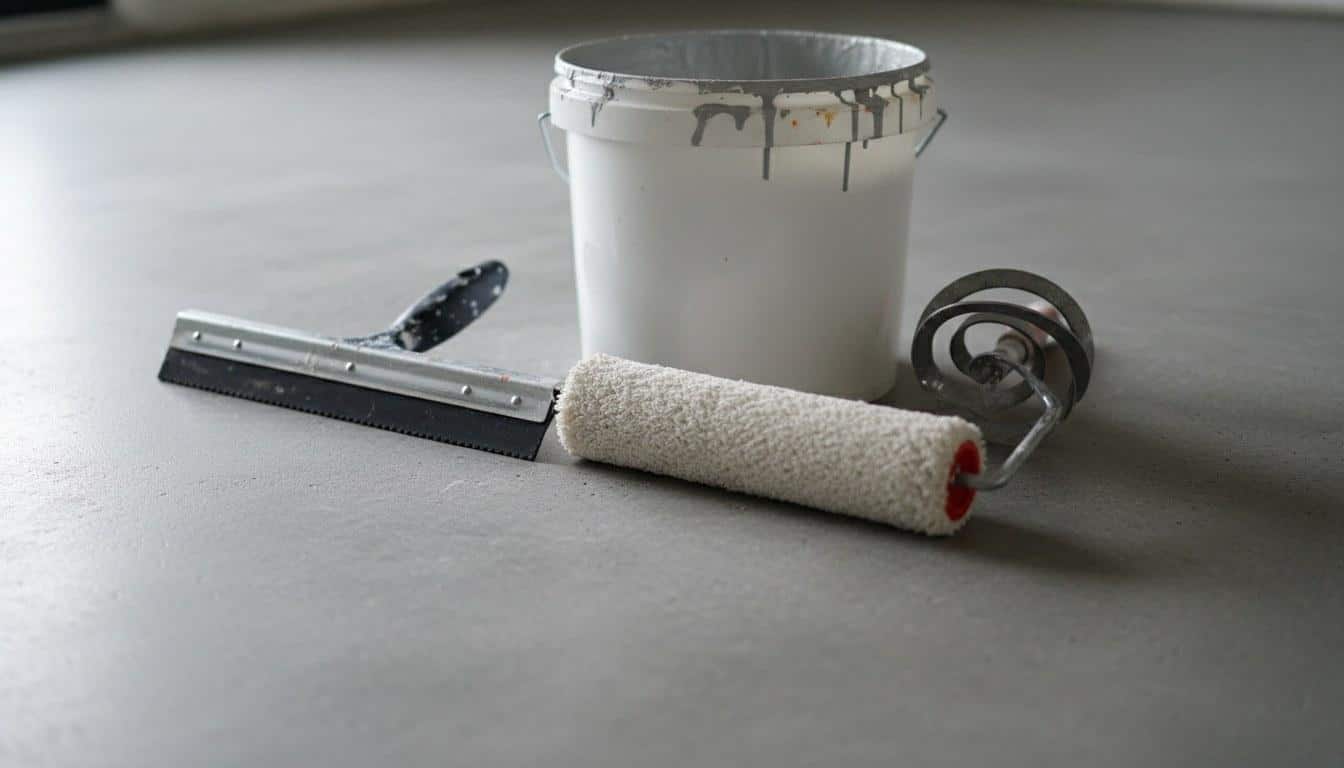
A professional epoxy installation follows a specific sequence of steps, and skipping any one of them shortens the floor’s lifespan. Here is what a quality job looks like from start to finish.
- Moisture testing: The contractor tests the slab for moisture vapor transmission. Readings above 3 pounds per 1,000 square feet per 24 hours (per ASTM F1869 standards) require a moisture-mitigation primer before any epoxy goes down.
- Mechanical surface prep: Diamond grinding or shot blasting opens the concrete’s pores and creates a surface profile — typically a CSP 2 or CSP 3 per ICRI (International Concrete Repair Institute) guidelines. This step takes 1 to 3 hours for a standard two-car garage.
- Crack and spall repair: Cracks wider than 1/8 inch are filled with a polyurea or epoxy filler and allowed to cure before coating begins.
- Primer coat: A penetrating epoxy primer is applied to seal the slab and improve adhesion of the base coat. This is especially important on porous or older concrete.
- Base coat application: The main epoxy layer is rolled on at the specified thickness. For broadcast flake systems, decorative flakes are scattered into the wet base coat at this stage.
- Flake or aggregate broadcast (if applicable): Full-broadcast flake systems use 20 to 30 ounces of flake per 100 square feet for a dense, uniform look.
- Topcoat application: A clear polyaspartic or urethane topcoat seals the system, adds chemical resistance, and provides the final sheen level (matte, satin, or gloss).
- Cure and handoff: The contractor walks you through the cure timeline and any care instructions before leaving the job site.
In our experience, the full installation for a standard two-car garage takes 6 to 10 hours of active work spread across one to two days, with the second day typically reserved for the topcoat after the base coat has cured overnight.
Get Expert Advice from Five Star Epoxy & Coatings
Choosing the right epoxy coating company does not have to be complicated. Use the questions and checklists in this epoxy coating company guide as your starting point, verify every contractor’s CSLB license, and insist on a written contract with clear product specs and warranty terms.
Five Star Epoxy & Coatings serves homeowners and businesses across Southern California with professional-grade coating systems, proper diamond-ground surface prep, and written warranties on every project. Call (818) 355-3804 to schedule a free on-site assessment and get a detailed, itemized quote for your floor.
Frequently Asked Questions
How much does it cost to install an epoxy garage floor?
In the Southern California regional market, professional epoxy garage floor installation typically costs between $3 and $12 per square foot, depending on the coating system, slab condition, and design. A standard two-car garage of about 400 square feet generally runs between $1,200 and $4,800. The biggest cost drivers are the number of coats, the type of topcoat, and how much surface prep the existing concrete requires. Contact Five Star Epoxy & Coatings at (818) 355-3804 for a free, itemized quote.
How do I know if an epoxy coating company is legitimate?
Verify the contractor's license at cslb.ca.gov — in California, any project over $500 in combined labor and materials requires a valid CSLB license. Ask for a certificate of general liability insurance and workers' compensation coverage. A legitimate contractor will also provide a written contract specifying the exact products, prep method, number of coats, and warranty terms before any work begins.
How long does an epoxy garage floor last?
A professionally installed 100% solids epoxy system with a polyaspartic topcoat typically lasts 10 to 20 years with normal vehicle and foot traffic. Water-based or thin-coat systems last 3 to 7 years. The single biggest factor in longevity is surface preparation — a floor that was properly diamond-ground before coating will outlast one that was only acid-etched by many years.
How long do I have to stay off an epoxy floor after it is installed?
Most 100% solids epoxy systems allow foot traffic after 24 hours. Vehicles should stay off the floor for at least 72 hours. Full chemical cure — when the floor reaches its maximum hardness and chemical resistance — takes 5 to 7 days. Your contractor should give you a written cure schedule before leaving the job site.
Can I epoxy my garage floor myself instead of hiring a company?
DIY epoxy kits from home improvement stores are typically water-based products under 3 mils thick, which is far thinner than a professional system. They can work for very light-duty applications but rarely hold up to daily vehicle traffic. Without commercial diamond-grinding equipment, proper moisture testing, and professional-grade 100% solids products, DIY results usually peel within one to three years. For a floor that lasts a decade or more, professional installation is the more cost-effective choice over time.