Will Road Salt Destroy My Garage Floor Epoxy This Winter?
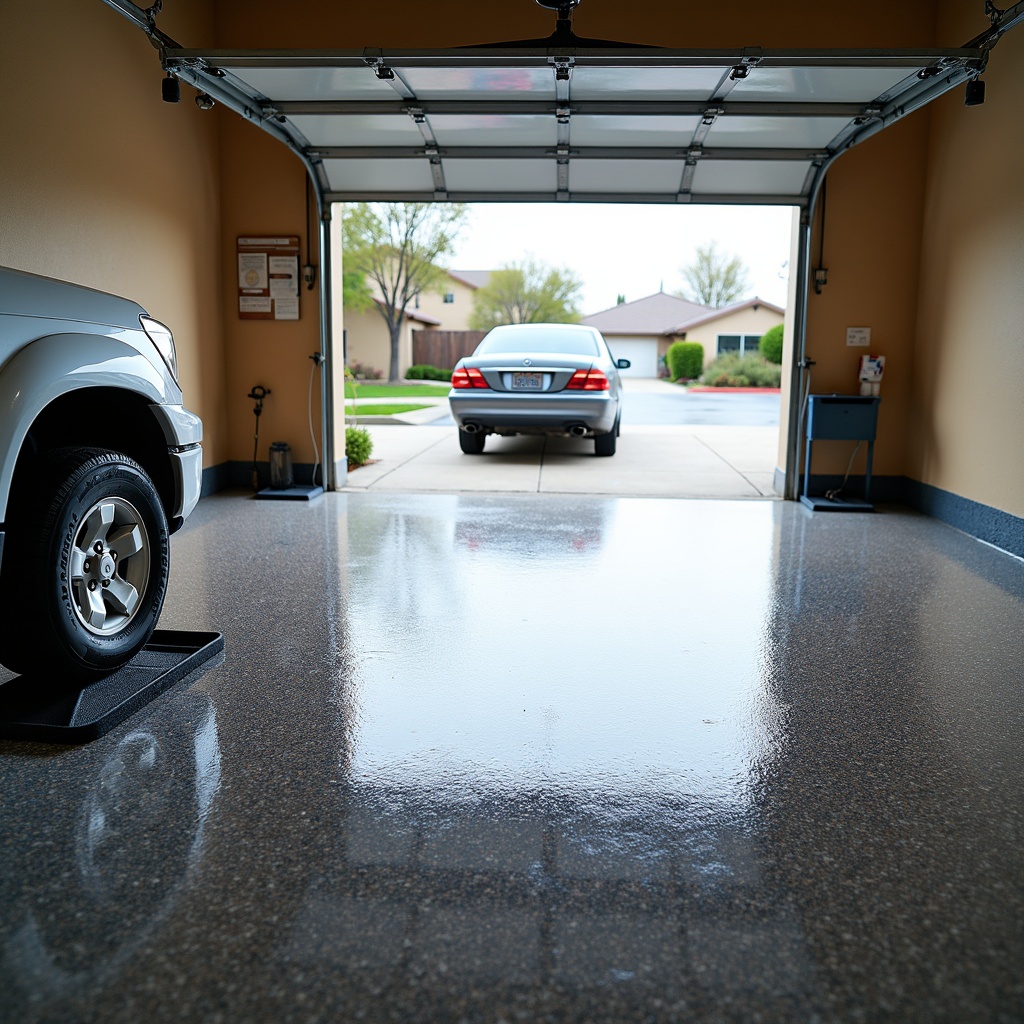
If you’ve invested in epoxy flooring services in Northridge, you’re probably wondering whether winter conditions will undo all that investment. The short answer: epoxy creates a smooth, continuous barrier that prevents salt and moisture from penetrating the concrete, but only if you maintain it properly and choose the right protective topcoat. Here’s what Northridge homeowners need to know about protecting their garage floor investment from seasonal damage.
📋 In This Guide
💰 Typical Protection & Maintenance Costs
- Professional epoxy installation (2-car garage): $2,000–$5,000
- Salt-resistant polyaspartic topcoat upgrade: $1–$3 per sq. ft.
- Topcoat resealing (every 5–10 years): $1–$3 per sq. ft.
- Entry containment mat system: $50–$150
Why Northridge’s Winter Climate Demands Proactive Protection
In Northridge, the winters are long, cool, wet, and partly cloudy, with temperatures typically ranging from 45°F to 67°F. While we don’t experience the heavy snowfall common in other regions, our unique challenge comes from rain-soaked vehicles tracking in de-icing chemicals from nearby mountain passes and moisture that creates the perfect environment for chemical damage.
The real threat isn’t dramatic freeze-thaw cycles—it’s the slow, persistent exposure to calcium chloride and magnesium chloride from vehicles that have traveled through higher-elevation areas. Road salt and deicing fluids tracked inside on vehicles are acidic and will corrode, pit, and spall bare concrete upon contact over time. Even with epoxy coating, salt can cause minor abrasions on the surface of the epoxy coating over time if left unaddressed.
Understanding Salt’s Chemical Attack Pattern
Salt, combined with moisture, seeps into concrete’s pores, causing it to expand and create cracks. Your epoxy coating serves as the first line of defense, but the protection quality depends entirely on three factors: the coating system quality, the topcoat material, and your maintenance routine.
Selecting Salt-Resistant Topcoat Options That Actually Work
Not all garage floor coatings offer equal protection against chemical damage. The base epoxy layer bonds to your concrete, but the topcoat determines how well your floor resists daily salt exposure.
| Topcoat Type | Salt Resistance | Lifespan | Best For |
|---|---|---|---|
| Standard Epoxy | Moderate | 3–5 years | Light residential use |
| Polyurethane | Good | 5–8 years | Regular vehicle traffic |
| Polyaspartic | Excellent | 10+ years | Maximum chemical protection |
Applying an additional protective sealant over the epoxy coating can add an extra layer of defense against salt and other contaminants—a high-quality polyurethane or polyaspartic topcoat can provide increased abrasion resistance and chemical protection. For Northridge garages that see vehicles coming from mountain recreation areas during winter months, the polyaspartic upgrade represents the best long-term value.
UV Stability Matters in Southern California
Unlike northern climates where garages stay dark and enclosed, many Northridge homeowners keep garage doors open during our mild winters. Standard epoxy will yellow if exposed to sunlight—upgrading to a polyaspartic topcoat ensures your floor stays the color you picked for years to come. This dual benefit of salt resistance and UV protection makes polyaspartic coatings particularly valuable in our climate.
Daily and Weekly Maintenance Routines That Prevent Damage
The most effective salt damage prevention strategy costs nothing but time. The most effective way to prevent salt damage is to regularly clean the garage floor during the winter months—sweep up any salt residue as soon as possible and mop the floor with a mild detergent and water to remove any remaining salt.
Your Winter Cleaning Schedule
After Each Rain Event: Sweep visible salt deposits and debris within 24 hours. White crystalline residue indicates salt that’s already drying and concentrating its corrosive effect.
Weekly Deep Clean: Mild soap and warm water do wonders for cleaning all residue from an epoxy floor—many professionals also use a mild solution of Simple Green. Use a microfiber mop or soft-bristle brush to avoid scratching your topcoat.
Monthly Inspection: If the epoxy coating becomes scratched or develops minor chips, it’s important to repair these imperfections promptly—unrepaired damage can allow salt and moisture to penetrate the coating, leading to more significant issues over time. Catching small problems early prevents expensive Northridge Garage Floor Bubble Repair: Proven Methods to Restore Your Epoxy Coating work later.
Entrance Mat Systems and Physical Barriers
Consider placing a protective mat or garage floor containment mat under vehicles to catch any salt, water, and debris that may be tracked in—these mats are designed to contain spills and can be easily cleaned, reducing the amount of salt that comes into contact with the epoxy floor.
For Northridge’s 400-square-foot standard two-car garages (common in neighborhoods like Northridge East and near Epoxy flooring in Granada Hills border areas), position mats in the primary tire track zones. Rubber or fabric mats can stop road salt and snowmelt from pooling near door seams. Empty and rinse these mats weekly during winter months to prevent salt concentration.
Strategic Mat Placement
Install heavy-duty containment mats that extend at least 18 inches beyond where your rear tires stop. This captures the drip zone as vehicles warm and snow/ice melts off wheel wells. For homeowners who frequently visit mountain areas like Mount Baldy or Wrightwood during winter, this simple barrier can reduce your floor’s salt exposure by 60–70%.
When to Reseal and How to Recognize Wear Indicators
Epoxy/polyaspartic coatings last 3-5 years on garage floors before needing renewal—you may notice moisture absorption, salt efflorescence, tire tracking, staining, loss of gloss, and reduced slip resistance as indicators a recoat is needed. However, properly maintained professional-grade systems in Northridge’s mild climate often extend well beyond this timeframe.
Watch for these specific warning signs:
White powdery residue that returns after cleaning: This efflorescence indicates salt penetrating microscopic surface damage. Dull patches in high-traffic zones: Loss of gloss reveals topcoat wear. Water absorption instead of beading: When water no longer beads on the surface, your protective layer has degraded. Increased tire marking: Fresh black marks that won’t clean easily signal topcoat failure.
If you’re experiencing multiple indicators, contact a Five Star Epoxy & Coatings professional at (818) 355-3804 for an inspection. Recoating before base layer damage occurs costs significantly less than full floor restoration.
Neutralizing Acidic Salt Residue
Standard cleaning removes surface salt, but acidic residue requires neutralization. After your regular cleaning, occasionally rinse with a solution of one tablespoon baking soda per gallon of warm water. This alkaline solution neutralizes acidic salt compounds without damaging your epoxy coating. Rinse thoroughly afterward to prevent any residue buildup.
Professional Assessment and Long-Term Value
Northridge homeowners investing in the area’s $805,000 median home value understand the importance of protecting every component. Your garage floor represents both functional workspace and a significant portion of your home’s first impression. Proper salt damage prevention maintains that investment while avoiding the $3–$7 per square foot cost of concrete resurfacing before epoxy application.
Five Star Epoxy & Coatings serves Northridge residents in ZIP codes 91324, 91325, and 91330 with professional-grade epoxy flooring services in Northridge designed specifically for Southern California conditions. Our installations include salt-resistant polyaspartic topcoats standard, and we provide detailed maintenance protocols customized to your usage patterns. For properties near California State University Northridge or in neighborhoods with frequent mountain access, we can recommend enhanced protection strategies.
Schedule your free garage floor assessment by calling (818) 355-3804. Our team will evaluate your current floor condition, identify any early damage indicators, and provide a detailed protection plan that fits your budget and usage requirements. We also service nearby communities including Epoxy flooring in Porter Ranch and surrounding areas.