Metallic & Artistic Epoxy Finishes vs. Standard Epoxy: Which Is Right for Your Home?
Choosing between metallic and standard epoxy flooring comes down to three things: how you want the space to look, how much traffic it gets, and what you are willing to invest.
What Is the Difference Between Metallic Epoxy and Standard Epoxy Flooring?
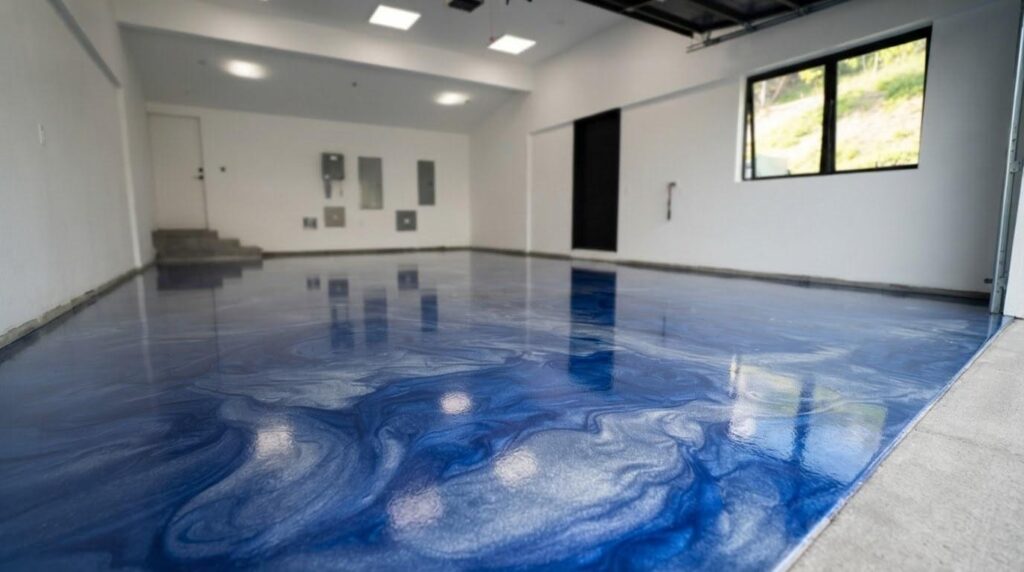
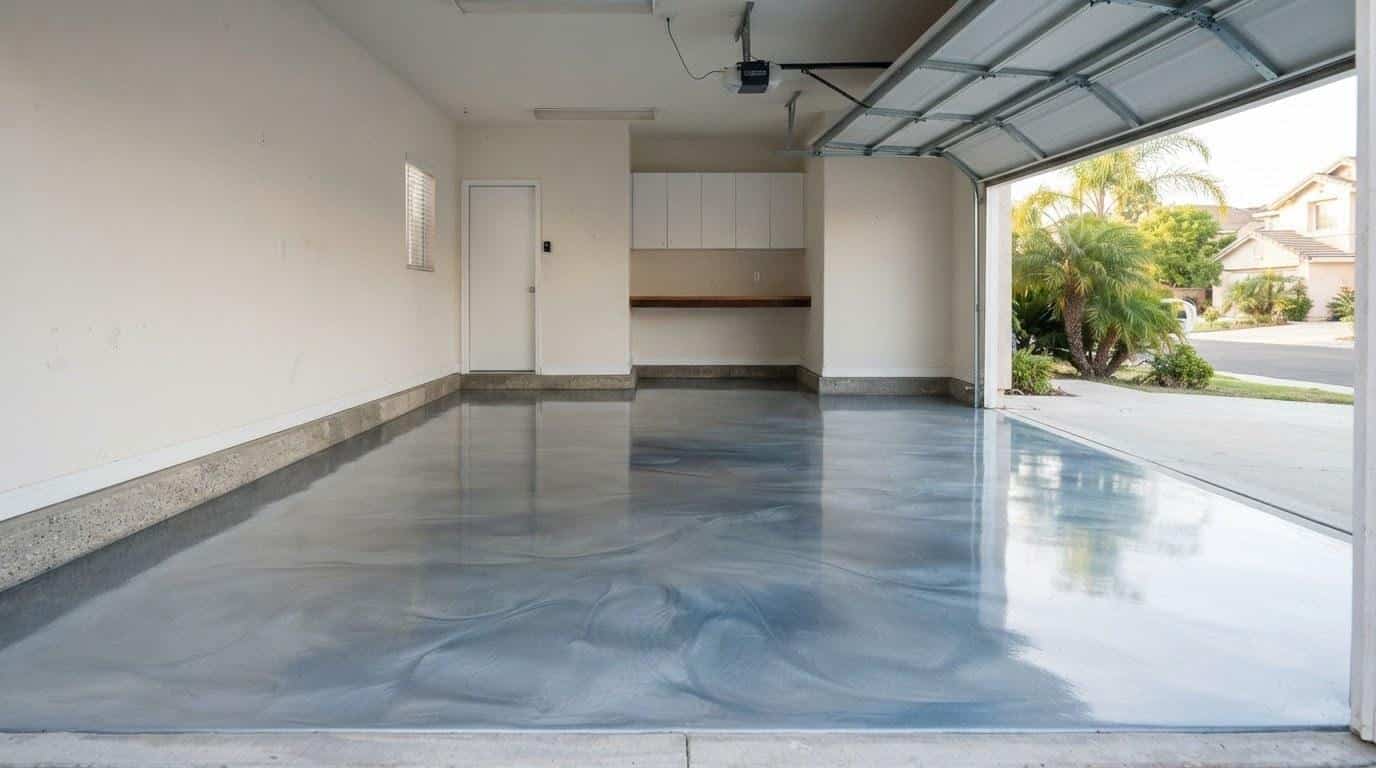
Metallic epoxy uses special metallic or pearlescent pigments suspended in a clear epoxy resin to create a flowing, three-dimensional look. Standard epoxy is a two-part resin-and-hardener system that cures into a flat, solid-color or broadcast surface. Both bond directly to concrete, but the materials, the application process, and the visual results are quite different.
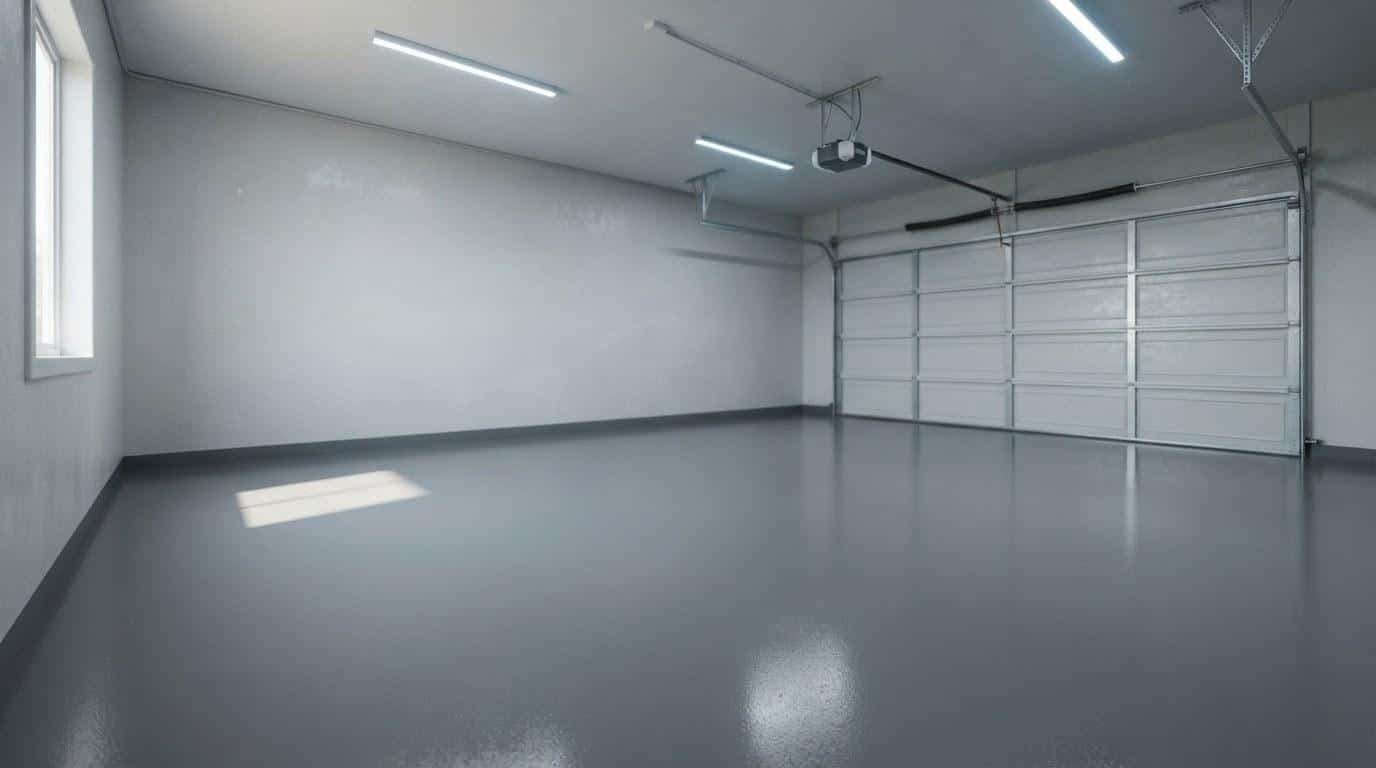
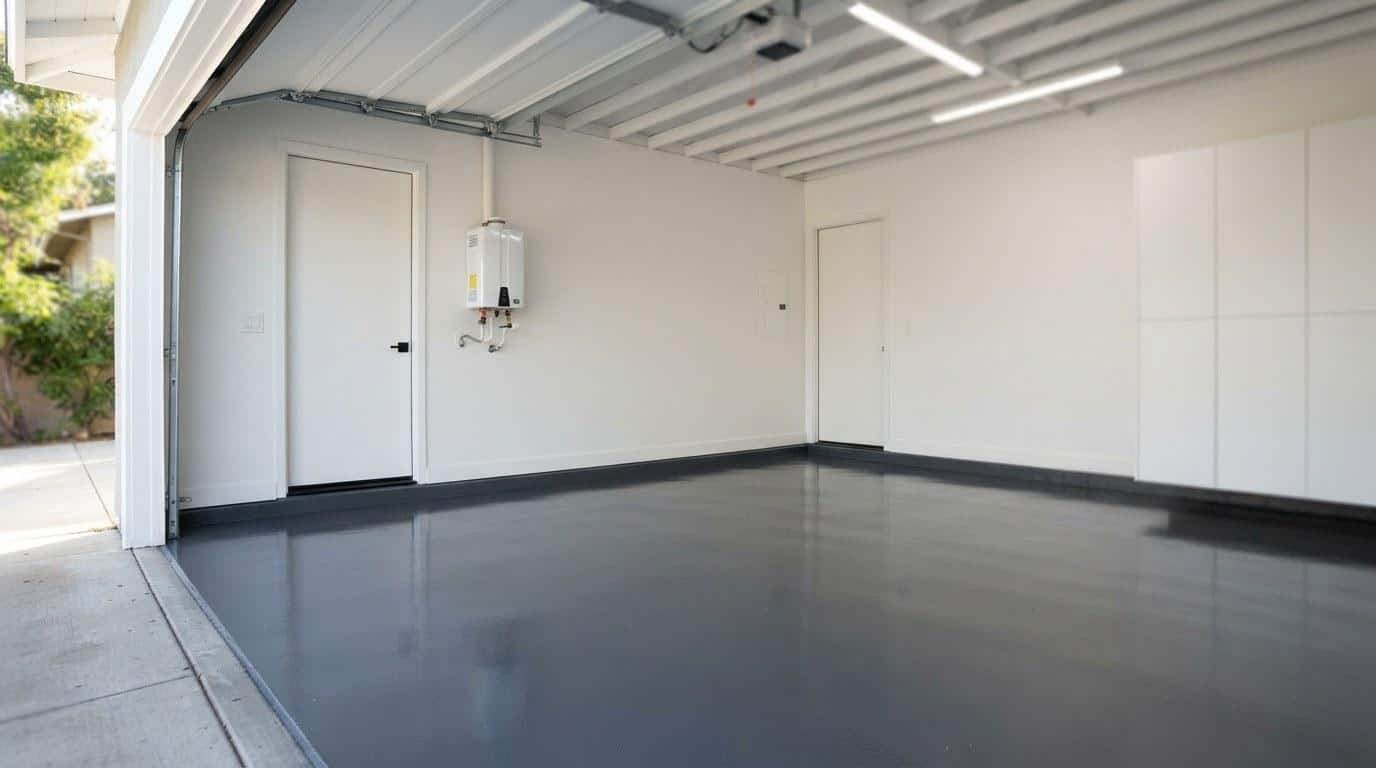
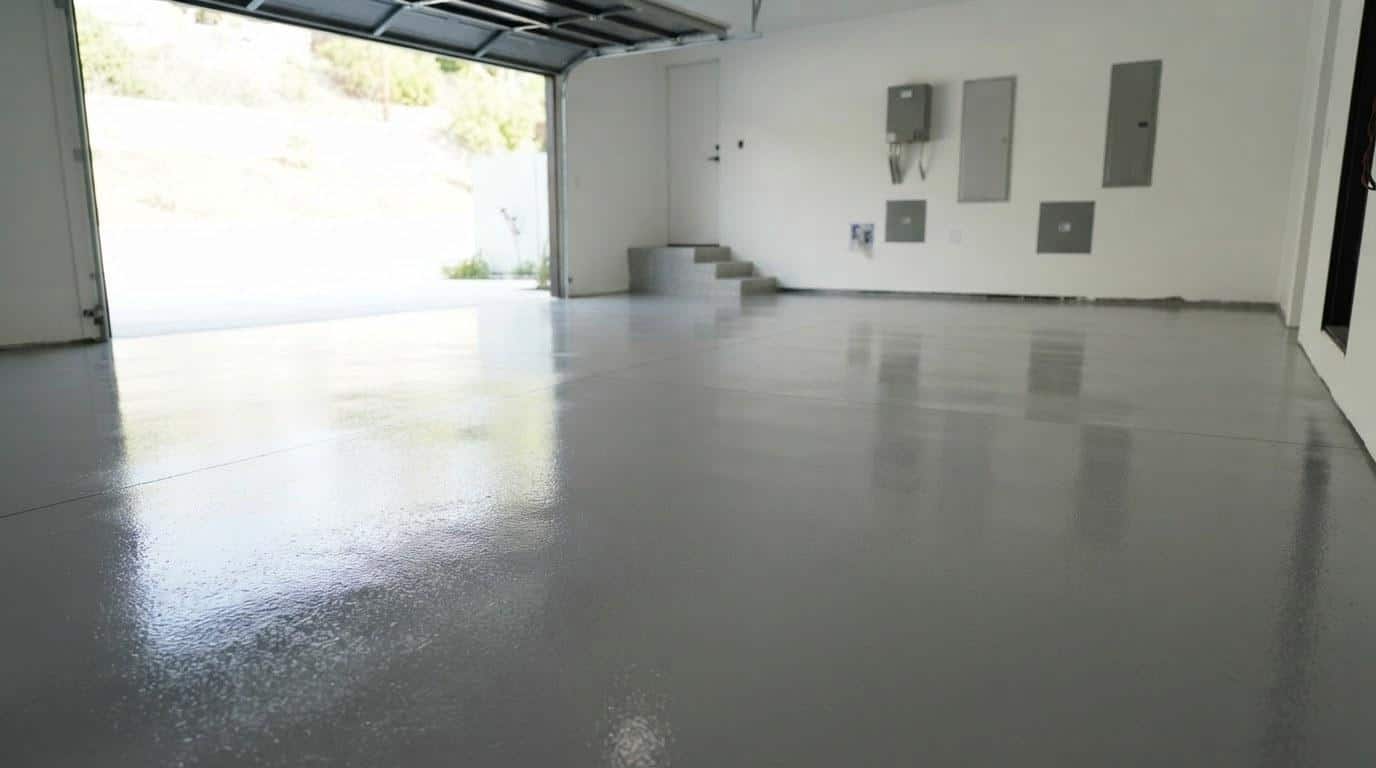
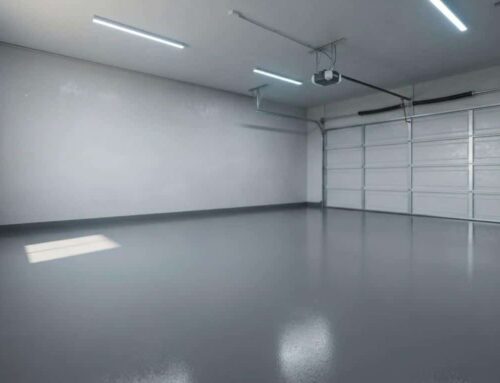
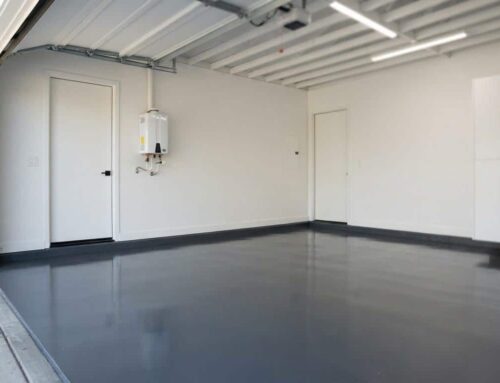
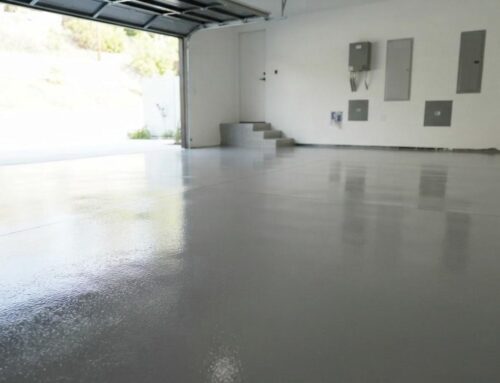
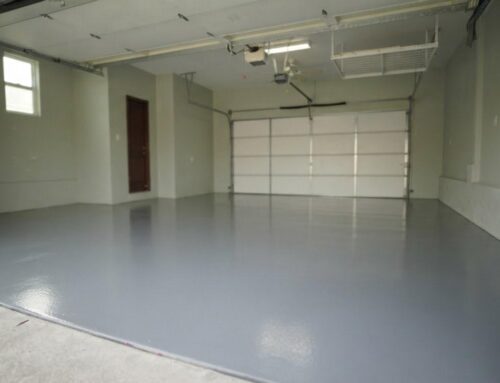
Standard epoxy has been the go-to choice for garages, warehouses, and commercial kitchens for decades. It is applied in one or two coats, often with a colored base and a clear topcoat. The result is a smooth, hard surface that resists stains, oil, and light chemical exposure.
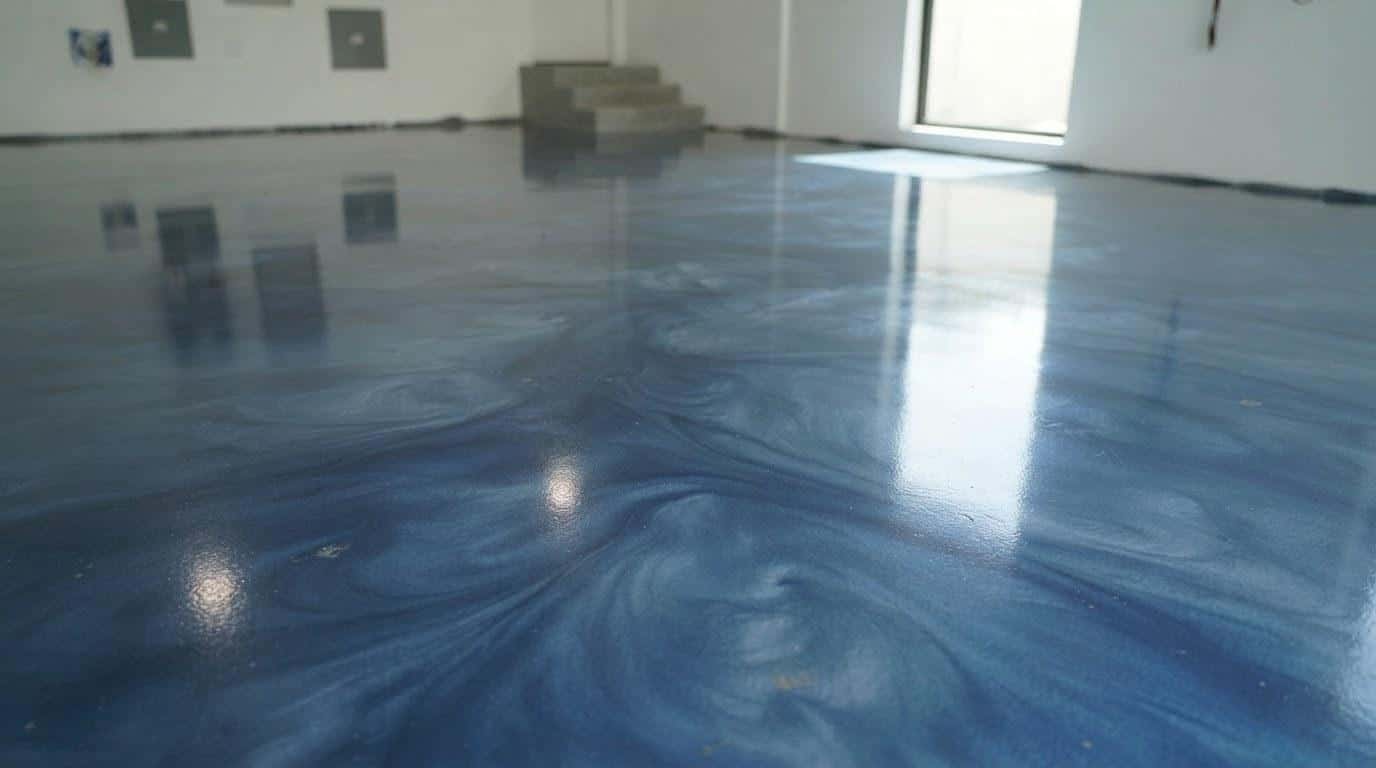
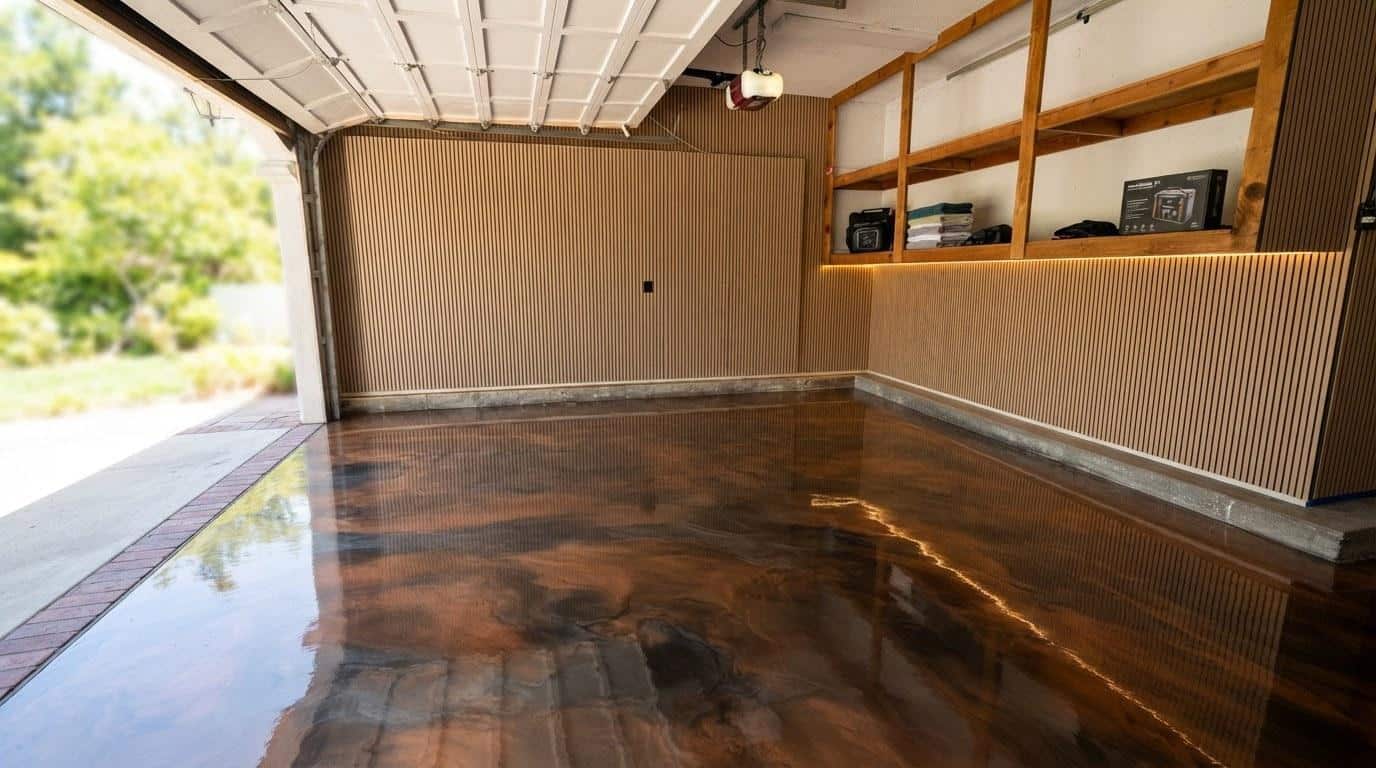
Metallic and artistic epoxy finishes add at least one extra layer to that process. After the base coat, an installer applies a metallic pigment layer and then manipulates it with air, solvents, or tools to create waves, swirls, or marble-like patterns. A clear urethane or polyaspartic topcoat seals the design. The final floor can look like polished stone, molten metal, or abstract art.
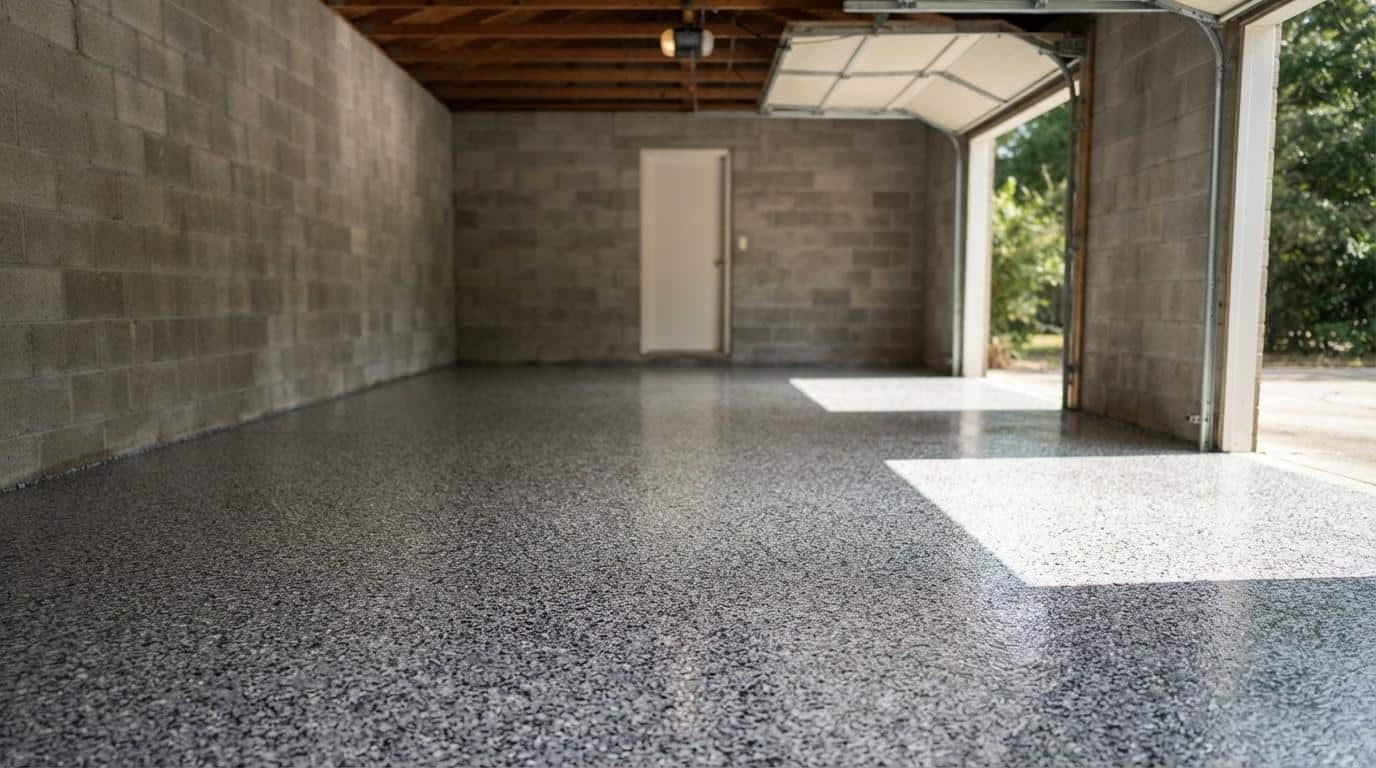
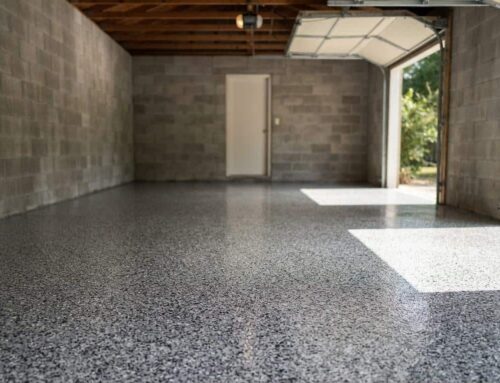
Chip and flake epoxy flooring sits between these two options. Vinyl flakes are broadcast into a wet base coat, then sealed. The result has more texture and visual interest than plain standard epoxy but costs less than a full metallic system. It is a popular middle-ground choice for garages and laundry rooms across Southern California.
How Does Each Finish Perform Over Time?
Both metallic and standard epoxy finishes are durable, but the topcoat choice matters more than the base system when it comes to long-term performance. A properly installed epoxy floor, regardless of finish style, can last 10 to 20 years with routine cleaning and the occasional recoat.
Standard epoxy in its basic form can yellow slightly when exposed to UV light over time. This is why most quality installers finish standard systems with a UV-stable polyaspartic or urethane topcoat, especially in spaces with natural light. That extra step adds cost but extends the life of the color significantly.
Metallic epoxy systems almost always include a clear topcoat as part of the design process, so UV protection is typically built in. The metallic pigment layer itself is sandwiched between the base coat and the topcoat, which shields it from abrasion. Our team has seen metallic floors in Southern California showrooms and living spaces hold their gloss and depth for well over 8 years without refinishing, even in high-foot-traffic areas.
Scratch resistance depends on topcoat hardness. Polyaspartic topcoats cure in 2 to 4 hours and rate among the hardest clear finishes available for residential floors. Urethane topcoats take longer to cure (usually 24 hours before light foot traffic) but offer excellent chemical resistance. Both are appropriate options for metallic and standard systems.
One practical difference: standard epoxy is easier to spot-repair. If a heavy object gouges a plain solid-color floor, a patch can blend in reasonably well. With metallic epoxy, the swirl pattern is unique to that pour, so a patch will always be visible. Full-section refinishing is the better approach for significant damage on artistic floors.
What Does Metallic Epoxy vs Standard Epoxy Flooring Actually Cost?
In the Southern California market, standard epoxy flooring typically ranges from $3 to $7 per square foot installed, while metallic and artistic epoxy finishes generally range from $7 to $14 per square foot installed. Chip and flake systems usually fall in the $4 to $8 range. These are market ranges, not quotes, and the actual price for your project will depend on several factors.
The biggest cost drivers are:
- Square footage: Larger floors spread fixed setup costs over more area, which can lower the per-square-foot rate on big projects.
- Concrete condition: Cracks, spalling, or previous coatings require grinding, patching, or shot-blasting before any epoxy goes down. This prep work can add $1 to $3 per square foot to the total.
- Design complexity: A single-color metallic pour costs less than a multi-color geode or 3D effect that requires multiple pigment layers and extended manipulation time.
- Topcoat selection: Polyaspartic topcoats cost more than standard urethane but cure faster, which reduces downtime for the homeowner.
- Number of coats: A two-coat standard system is cheaper than a four-coat metallic system with a primer, base, effect layer, and topcoat.
DIY epoxy kits sold at home improvement stores typically run $50 to $150 for a one-car garage. However, professional-grade metallic pigments, proper surface profile equipment, and the skill to manipulate the effect layer are not available in those kits. Research from the U.S. Department of Energy on building materials consistently shows that professional installation extends the service life of surface coatings by a significant margin compared to DIY application. For a premium metallic finish, professional installation is not optional if you want the result to last.
Always request a written, itemized quote from any floor coating contractor before work begins. A legitimate quote will list surface prep, materials, number of coats, and topcoat type separately so you can compare apples to apples.
Which Spaces Work Best for Each Finish?
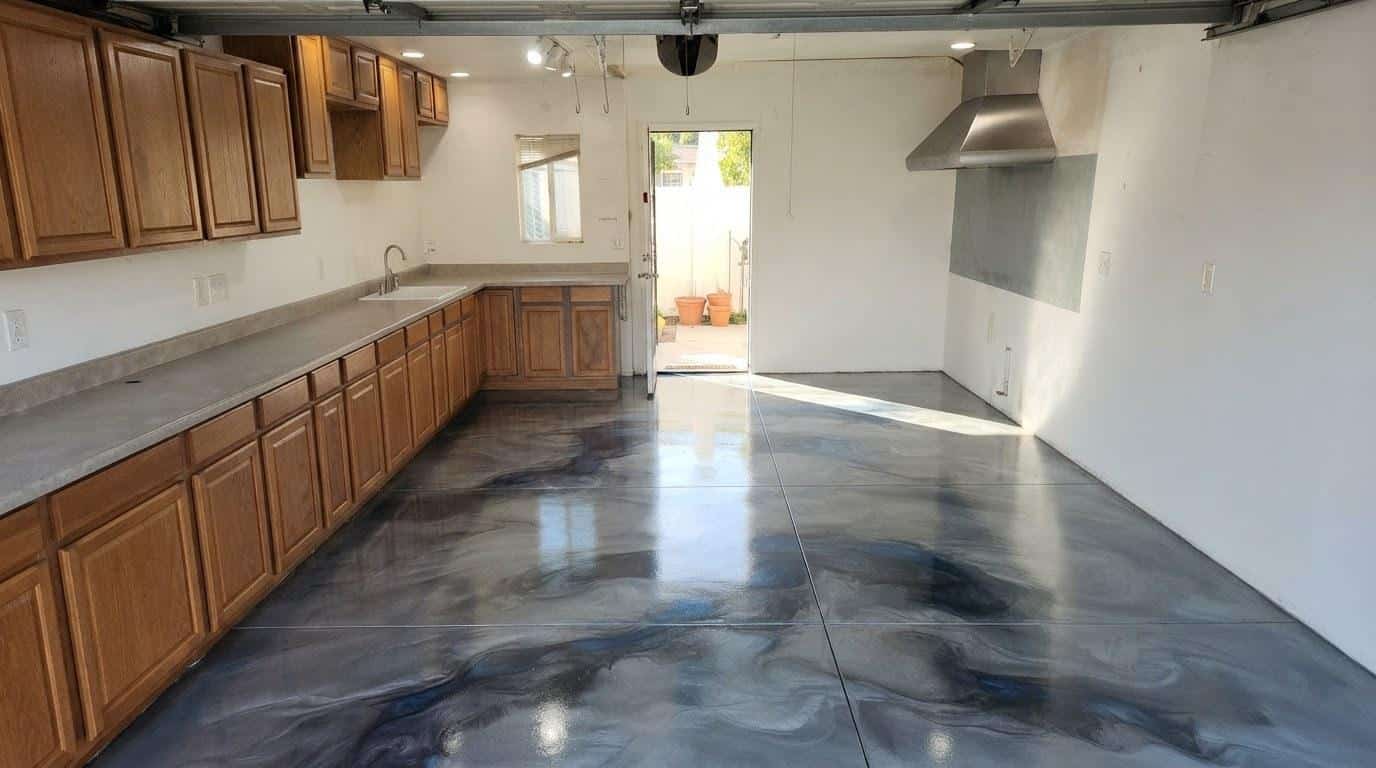
Standard epoxy is the practical choice for high-traffic utility spaces; metallic and artistic epoxy is the right choice when the floor itself is part of the design. Matching the finish to the space saves money and delivers better long-term satisfaction.
Standard Epoxy Works Best In
- Garages and workshops: Solid-color or chip-and-flake systems hide tire marks, oil drips, and tool scuffs without showing wear patterns over time.
- Commercial kitchens and food-prep areas: A flat, seamless surface is easy to sanitize and meets health department standards for commercial food spaces.
- Warehouses and storage areas: The cost-per-square-foot advantage matters when you are covering thousands of square feet of utilitarian space.
- Laundry rooms and utility closets: A durable, waterproof surface that can handle spills without a premium price tag.
Metallic and Artistic Epoxy Works Best In
- Living rooms, dining rooms, and open-plan spaces: The reflective, three-dimensional surface becomes a design focal point and pairs well with modern or industrial interiors.
- Retail showrooms and boutique studios: A metallic floor signals quality and draws attention in commercial spaces where first impressions matter.
- Basement conversions and home theaters: Turning a concrete slab into a polished, artistic surface transforms the feel of the entire room.
- Balconies and covered patios: With the right UV-stable topcoat, metallic epoxy can work on exterior covered surfaces as well, adding curb appeal and weather resistance.
- Luxury garages and car display spaces: Showroom-style metallic floors are increasingly popular in California homes with collector vehicles or custom garages.
According to U.S. Census Bureau housing data, the median California home was built before 1985, which means most slabs have decades of wear, possible moisture intrusion, and prior coatings to deal with. A concrete condition assessment before choosing a finish type is always the right first step.
Metallic Epoxy vs Standard Epoxy Flooring: Side-by-Side Comparison
This table gives you a quick reference for the most important decision factors between the two finish types. Use it alongside the detailed sections above to match the right system to your specific space.
| Factor | Standard Epoxy | Metallic / Artistic Epoxy |
|---|---|---|
| Visual result | Solid color, chip-and-flake texture, or broadcast aggregate | Three-dimensional swirls, marble effects, pearlescent depth |
| Typical installed cost (CA market) | $3 to $7 per sq ft | $7 to $14 per sq ft |
| Number of coats | 2 to 3 coats | 3 to 5 coats including effect layer |
| Cure time before foot traffic | 24 to 48 hours | 24 to 72 hours depending on topcoat |
| UV stability (without topcoat) | May yellow over time | Clear topcoat built into system; UV-stable |
| Spot repair ease | Good; patches blend well on solid colors | Difficult; unique pattern means full-section refinish is better |
| Best setting | Garages, warehouses, utility spaces, commercial kitchens | Living areas, showrooms, luxury garages, design-forward spaces |
| DIY feasibility | Basic kits available; results vary widely | Professional installation strongly recommended for quality results |
| Expected lifespan (professional install) | 10 to 20 years with proper prep and topcoat | 10 to 20 years with proper prep and topcoat |
| Design customization | Color and texture choices available | Fully custom patterns, colors, and effects on every pour |
What Should You Ask Before Hiring a Floor Coating Contractor?
The quality of your epoxy floor depends as much on the installer as it does on the materials. Concrete surface preparation, proper mixing ratios, and controlled application conditions all determine whether a floor lasts 5 years or 20. Here are the questions that separate experienced concrete floor coating contractors from those who cut corners.
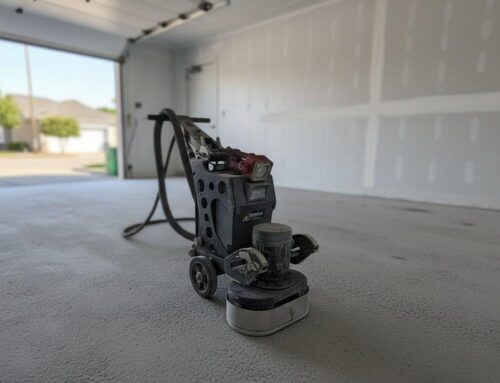
- How do you prepare the concrete? Diamond grinding or shot-blasting is the industry standard for creating the surface profile epoxy needs to bond. Acid etching alone is not sufficient for a lasting bond on most California slabs. If a contractor skips mechanical prep, the floor will peel.
- What is the moisture vapor emission rate of my slab? California’s climate varies significantly from coastal to inland zones. High moisture in a slab is one of the top causes of epoxy delamination. A professional should test for moisture before quoting, especially on slabs poured before 1990. The EPA’s indoor air quality guidance identifies moisture vapor as a primary driver of flooring failures.
- Are you licensed by the California Contractors State License Board (CSLB)? Licensed by the California Contractors State License Board (CSLB) is the minimum credential to verify. You can confirm any contractor’s license status at cslb.ca.gov before signing a contract.
- What topcoat do you use and why? A contractor should be able to explain the difference between urethane and polyaspartic topcoats and recommend one based on your space’s specific use, light exposure, and traffic level.
- Can I see examples of metallic floors you have installed? Metallic epoxy is a skill-dependent finish. The swirl and depth effects require hands-on experience. Photos and, ideally, a visit to a completed project will tell you more than any sales pitch.
- What does the written quote include? Surface prep, primer (if used), base coat, effect layer (for metallic), topcoat, and cleanup should all be itemized. Vague quotes lead to disputes.
Across our project work in Southern California, we see roughly 3 out of every 5 epoxy repair calls trace back to inadequate surface prep by a previous installer, not to the epoxy product itself. Choosing a contractor who invests in proper grinding and moisture testing is the single most important decision you will make.
Roughly 3 out of every 5 epoxy repair calls trace back to inadequate surface prep by a previous installer, not to the epoxy product itself.
Ready to Choose the Right Epoxy Finish for Your Space?
Whether you need a tough standard epoxy for a working garage or a stunning metallic finish for a living room or showroom, the right system starts with an honest assessment of your slab, your space, and your goals.
Five Star Epoxy & Coatings installs the full range of epoxy and concrete coating systems for residential, commercial, and industrial spaces across Southern California. From solid-color and chip-and-flake systems to fully custom metallic and artistic epoxy finishes, every project starts with professional surface prep and ends with a durable, properly topcoated floor.
Get a custom quote for your project. Call Five Star Epoxy & Coatings at (818) 355-3804 and describe your space, your finish goals, and your timeline. A written, itemized estimate is the first step toward a floor that lasts.
Frequently Asked Questions
How long does metallic epoxy flooring last compared to standard epoxy?
Both metallic and standard epoxy floors installed by a professional typically last 10 to 20 years. The lifespan depends more on the quality of surface preparation and the topcoat used than on whether the finish is metallic or standard. A UV-stable polyaspartic or urethane topcoat is the key to long-term durability on either system.
Is metallic epoxy flooring slippery when wet?
A metallic epoxy floor with a smooth glossy topcoat can be slippery when wet, just like any high-gloss surface. Most installers can add a non-slip additive to the topcoat to improve traction without significantly changing the appearance. This is a good option for kitchens, bathrooms, and any space where water is common.
Can I install metallic epoxy flooring myself?
DIY metallic epoxy kits exist, but the results rarely match a professionally installed floor. The swirl and depth effects require specific pigment manipulation techniques and timing that take practice to master. Surface preparation, including diamond grinding and moisture testing, also requires professional equipment. For a standard epoxy in a utility space, DIY is more feasible, but for metallic finishes, professional installation is strongly recommended.
How much does metallic epoxy flooring cost per square foot in California?
In the Southern California market, metallic and artistic epoxy finishes typically range from $7 to $14 per square foot installed. The price varies based on slab condition, design complexity, number of coats, and topcoat type. Standard epoxy systems generally range from $3 to $7 per square foot. Request a written, itemized quote from a licensed floor coating contractor for an accurate number for your specific project.
What is the difference between metallic epoxy and chip and flake epoxy flooring?
Metallic epoxy uses pearlescent or metallic pigments to create a flowing, three-dimensional pattern that is unique to each pour. Chip and flake epoxy, sometimes called broadcast or decorative flake flooring, uses colored vinyl chips broadcast into a wet base coat and then sealed. Chip and flake systems offer more texture and are generally less expensive than metallic, making them a popular choice for garages and utility spaces.