Epoxy Services Explained: Which Coating System Does Your Floor Actually Need?
Not every floor needs the same epoxy system, and choosing the wrong one can cost you time and money. This guide maps each coating type to the floor conditions and use cases where it actually performs.
What Are Epoxy Services and Why Does the System You Choose Matter?
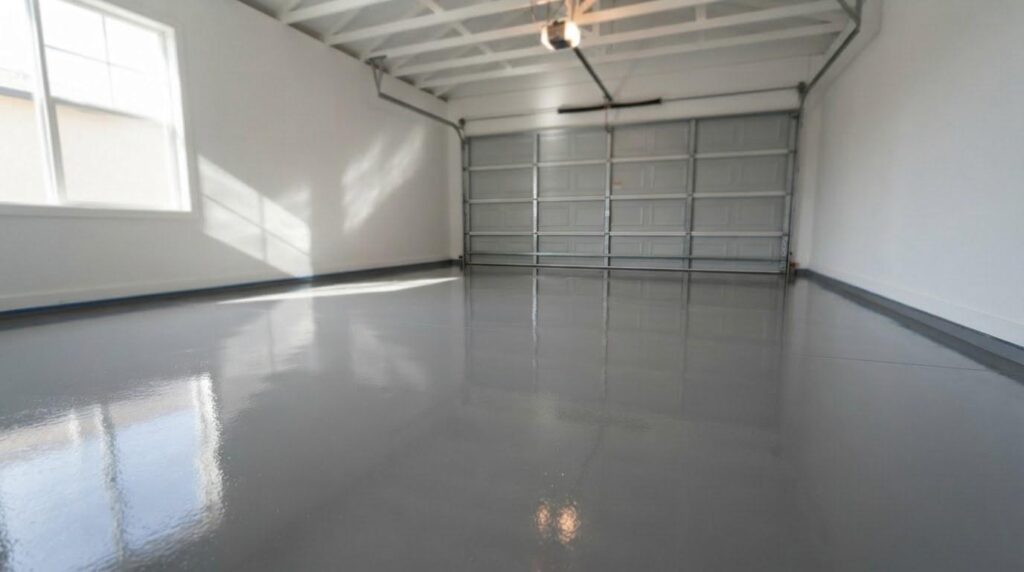
Epoxy services cover the full range of concrete coating systems, from basic solid-color garage floors to multi-layer metallic finishes and heavy-duty industrial coatings. The system you choose determines how long your floor lasts, how it handles traffic and moisture, and how much maintenance it needs over time. A coating that works beautifully in a showroom will fail quickly on a warehouse floor that sees forklift traffic every day. Matching the right system to the right surface is the core idea behind any reliable epoxy services guide.
A coating that works beautifully in a showroom will fail quickly on a warehouse floor that sees forklift traffic every day.
Concrete is porous and chemically active. Without the correct primer, topcoat, and surface preparation, even premium epoxy will delaminate within 12 to 24 months. The variety of systems available today, each with different resin bases, thicknesses, and performance ratings, means there is a genuinely right answer for your floor and several wrong ones. This guide walks through each system so you can make an informed decision before any work begins.
What Are the Main Types of Epoxy Coating Systems?
There are five primary epoxy coating systems used in residential, commercial, and industrial settings, and each one is built for a different set of conditions. Understanding what separates them is the first step in any honest epoxy services guide.
Solid Epoxy
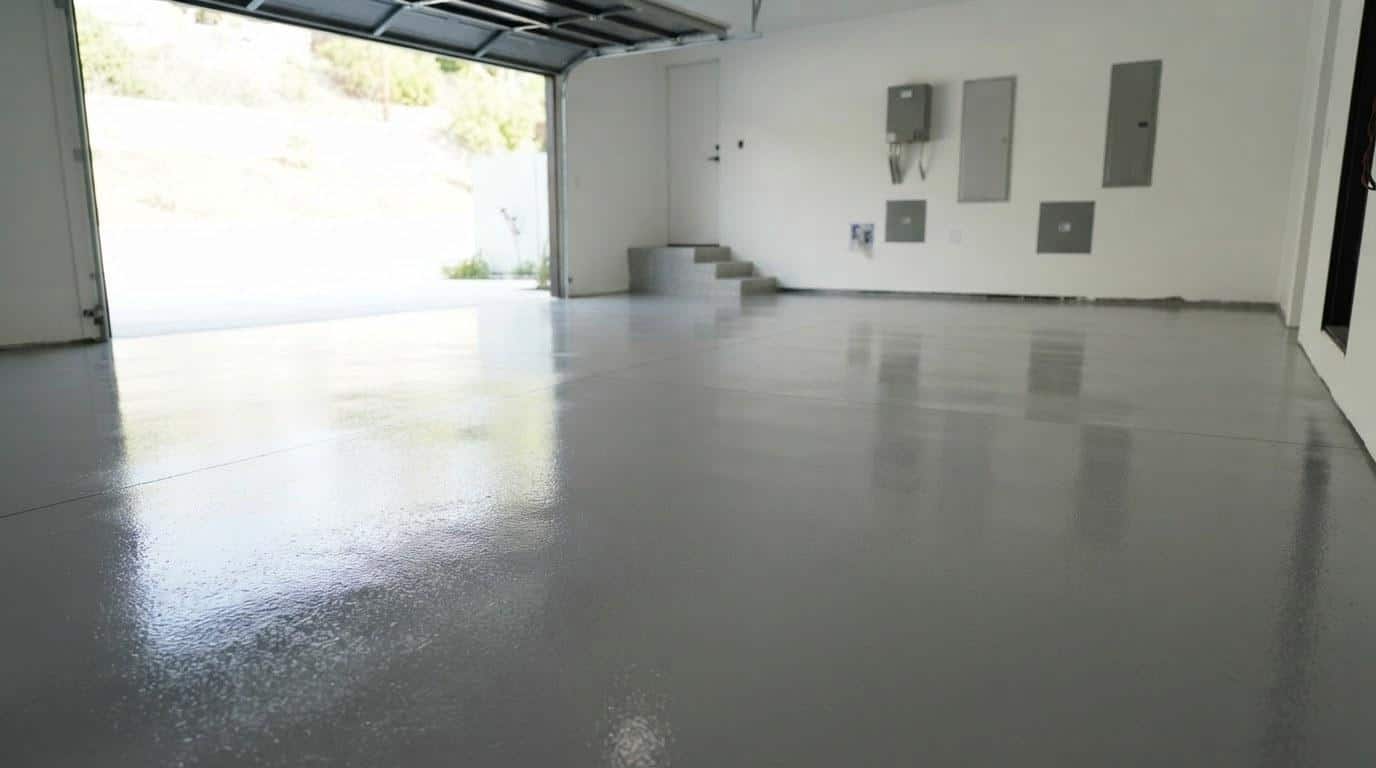
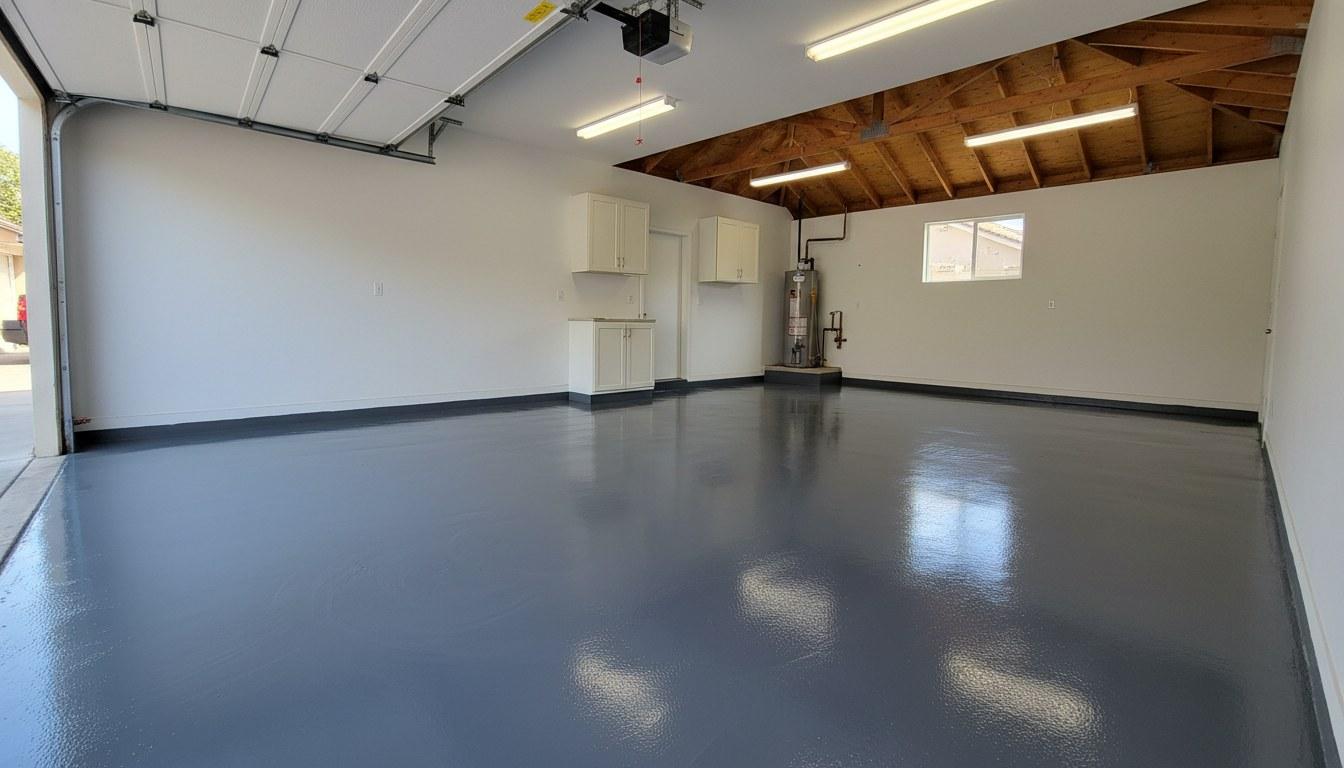
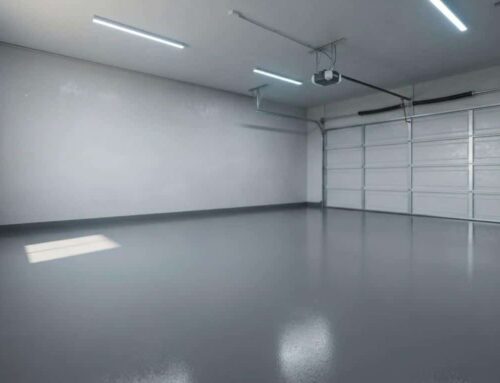
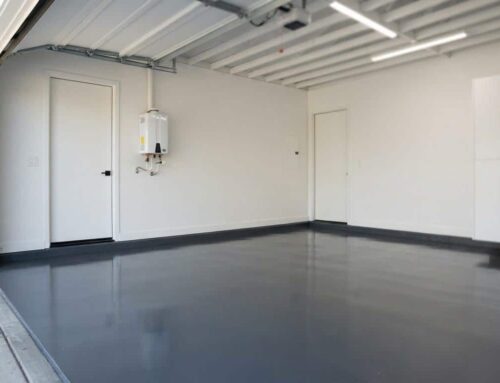
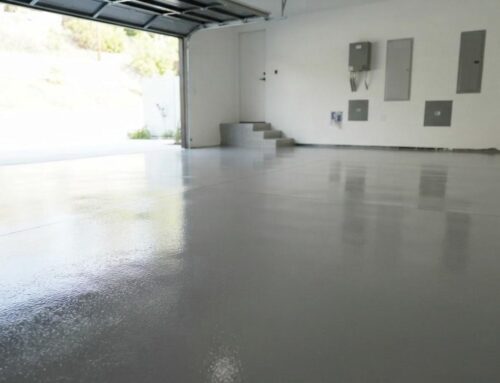
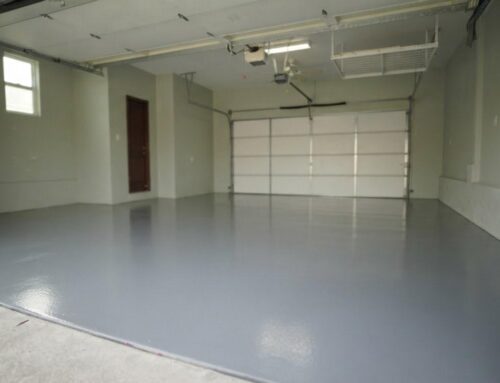
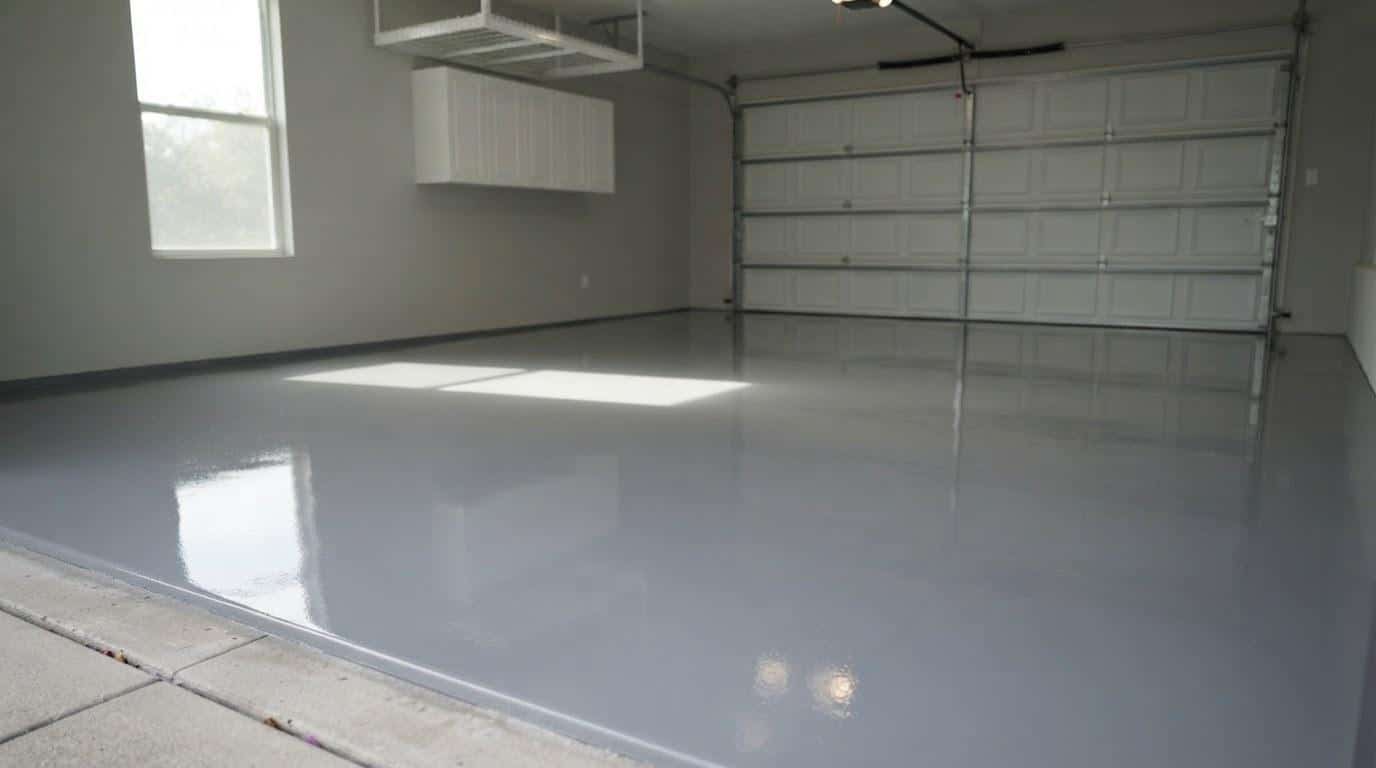
Solid epoxy is a 100-percent solids, two-part system applied in a single continuous layer, typically 10 to 20 mils thick. It bonds tightly to prepared concrete, resists chemicals, and handles moderate vehicle traffic well. It is the most common choice for residential garages and light commercial spaces.
Flake and Chip Epoxy
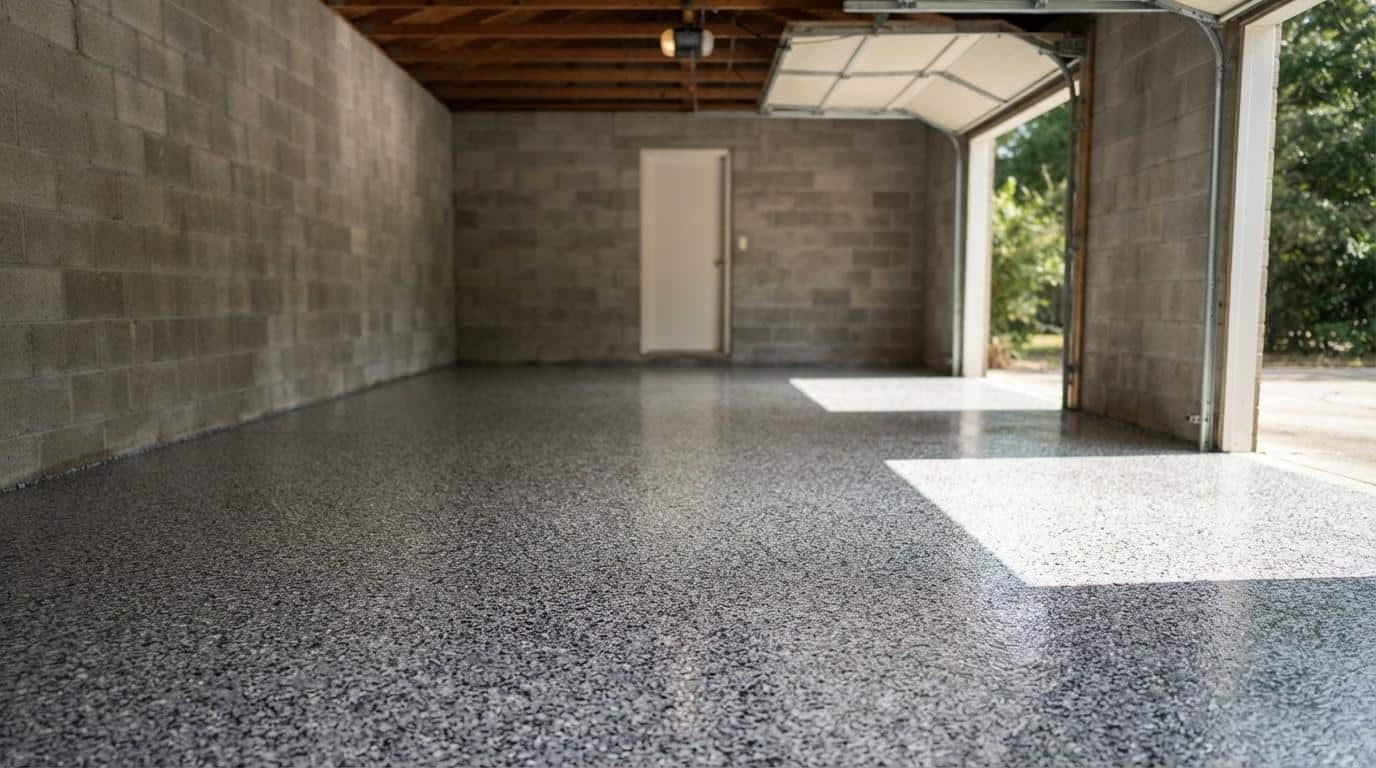
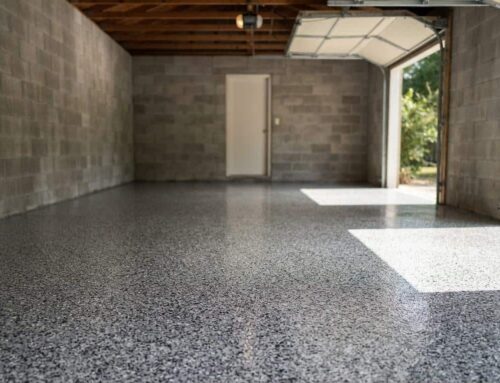
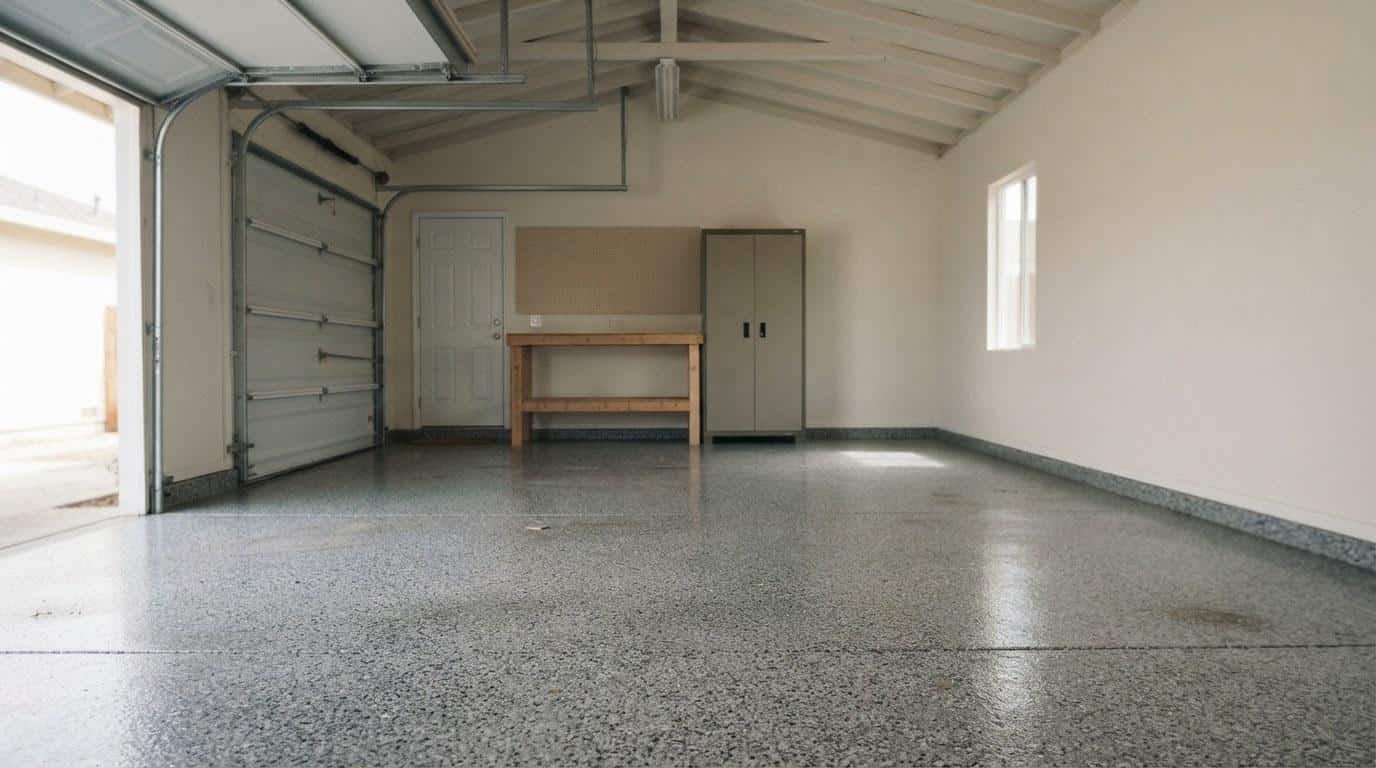
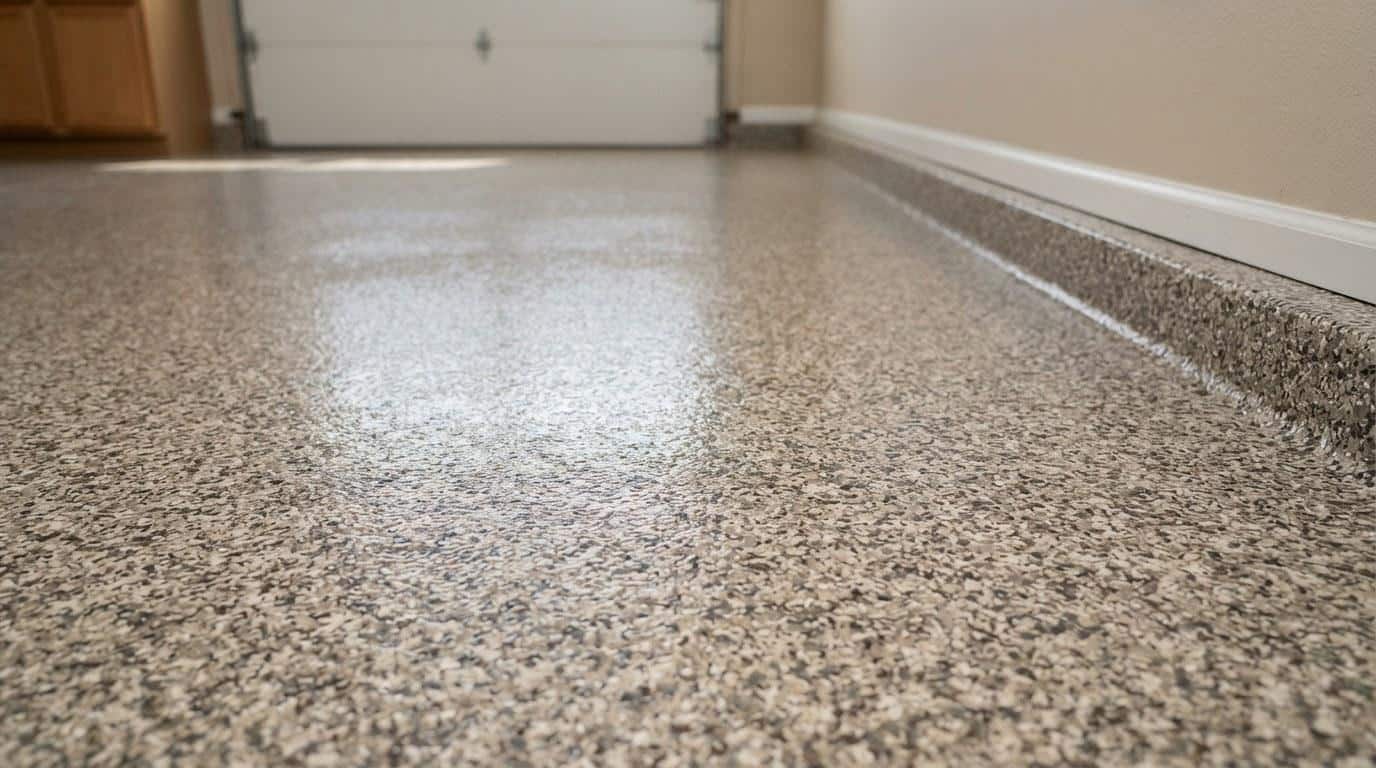
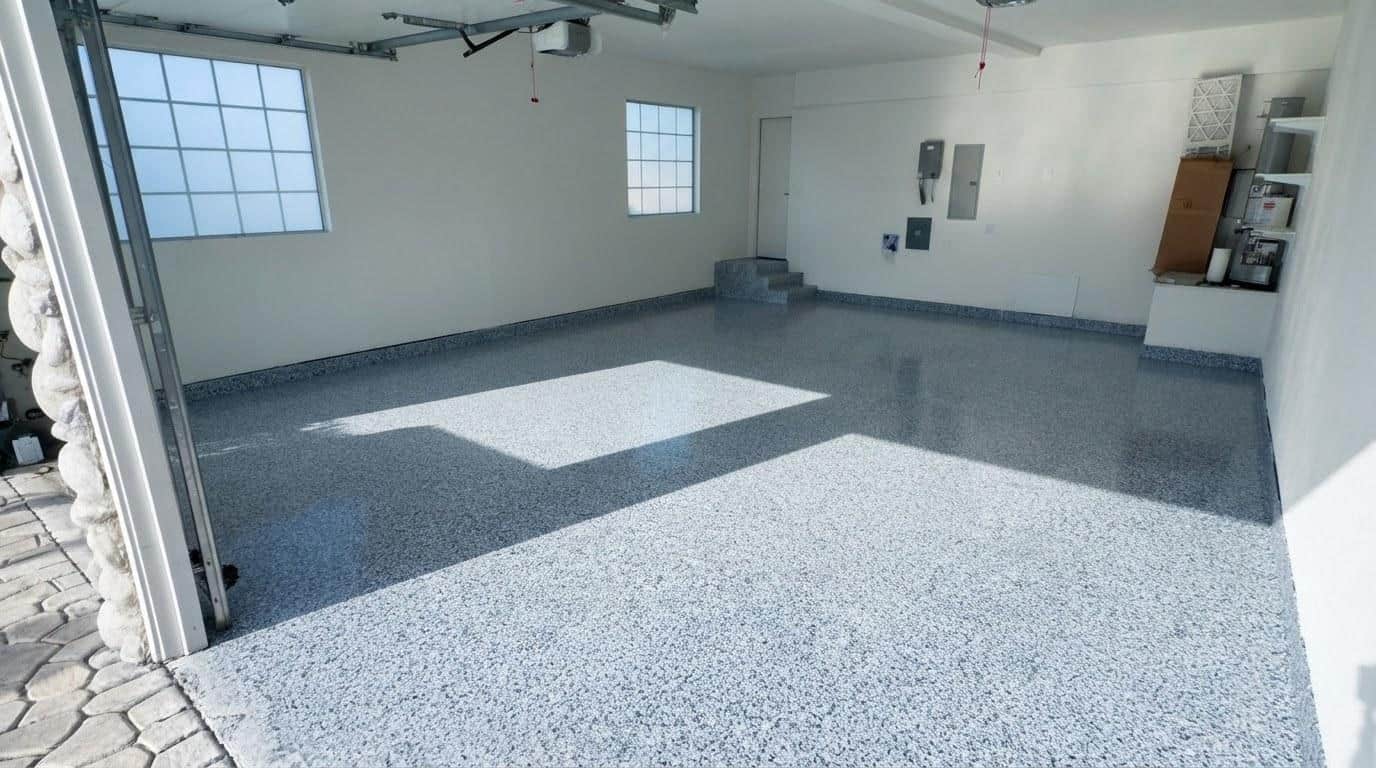
Flake and chip systems broadcast colored vinyl flakes into a wet epoxy base coat. The flakes hide surface imperfections, add texture for slip resistance, and create a decorative finish. A clear polyaspartic or urethane topcoat seals everything in. This system is popular for garage floors, showrooms, and gym spaces because it combines durability with visual appeal.
Metallic and Artistic Epoxy
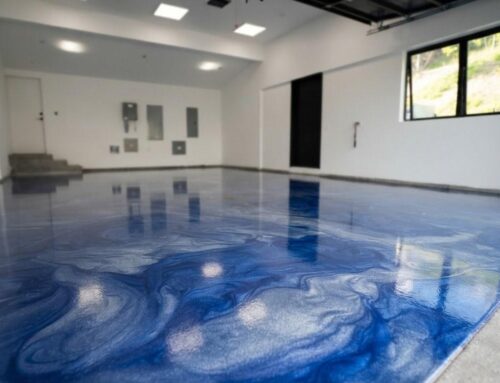
Metallic epoxy uses pigmented powders suspended in a clear resin base. When manipulated during application, the pigments create flowing, three-dimensional patterns that look like polished stone or liquid metal. This system runs thicker than standard coatings, typically 20 to 30 mils, and is best suited for interior decorative spaces like retail floors, restaurants, and residential living areas.
Balcony and Driveway Coatings
Exterior concrete surfaces face UV exposure, thermal cycling, and moisture that interior systems are not designed to handle. Balcony and driveway coatings use UV-stable polyurea or polyaspartic topcoats over an epoxy primer. These systems stay flexible enough to move with the concrete through California’s temperature swings without cracking.
Industrial and Commercial Epoxy
Industrial systems are engineered for heavy loads, chemical spills, and constant foot or vehicle traffic. They typically involve multiple coats, a broadcast aggregate for grip, and a urethane or polyaspartic wear layer on top. Minimum dry film thickness for industrial floors is generally 20 to 40 mils, compared to 10 to 15 mils for a standard residential garage.
| System Type | Typical Thickness | Best Use Case | Key Strength |
|---|---|---|---|
| Solid Epoxy | 10-20 mils | Residential garages, light commercial | Strong bond, chemical resistance |
| Flake / Chip Epoxy | 15-25 mils | Garages, gyms, showrooms | Decorative + slip resistance |
| Metallic / Artistic Epoxy | 20-30 mils | Retail, restaurants, living areas | High-end decorative finish |
| Balcony / Driveway Coating | 15-25 mils | Exterior concrete surfaces | UV stability, flexibility |
| Industrial / Commercial Epoxy | 20-40 mils | Warehouses, factories, large retail | Heavy load and chemical resistance |
How Do You Match a Coating System to Your Specific Floor?
The right system depends on four factors: how the space is used, the condition of the existing concrete, whether the floor is interior or exterior, and what finish you want to live with long term. Answering these four questions before you call any contractor will save time and prevent a costly mismatch.
- Traffic type: Foot traffic only allows for thinner decorative systems. Vehicle traffic, forklifts, or heavy equipment requires a minimum 20-mil industrial build with a hard topcoat.
- Chemical exposure: Spaces where oil, solvents, or cleaning agents hit the floor regularly need a 100-percent solids epoxy base with a chemical-resistant urethane or polyaspartic topcoat.
- Moisture level: Concrete with a moisture vapor emission rate above 3 pounds per 1,000 square feet per 24 hours needs a moisture-mitigating primer before any coating goes down. Skipping this step is the single most common cause of delamination.
- UV exposure: Standard epoxy yellows and chalks outdoors within 6 to 12 months. Any exterior surface, including driveways and balconies, requires a UV-stable polyaspartic or polyurea topcoat.
- Desired finish: Solid color reads clean and industrial. Flake adds texture and hides wear. Metallic creates a showpiece floor. Match the aesthetic to how the space is actually used.
- Concrete age and condition: Concrete should cure for at least 28 days before coating. Older slabs with cracks, spalling, or previous coatings need additional prep, patching, and possibly shot blasting before any system goes down.
Our team sees roughly 40 percent of incoming project requests where the homeowner or facility manager initially asks for the wrong system for their conditions. The most frequent mismatch is a decorative metallic quote on a garage floor that actually needs an industrial flake system because of daily vehicle traffic and oil drips.
What Does Epoxy Installation Actually Cost in the California Market?
In the Southern California market, residential garage floor epoxy services typically range from $3 to $7 per square foot for a solid or flake system, while decorative metallic finishes run $8 to $15 per square foot depending on design complexity. Industrial and commercial projects vary more widely, generally falling between $4 and $12 per square foot based on system thickness, prep requirements, and square footage.
Several factors push a project toward the higher end of any range:
- Surface prep intensity: Heavily contaminated or previously coated concrete requires shot blasting or diamond grinding, which adds labor time and cost.
- Crack and spall repair: Filling cracks and patching damaged areas before coating adds material and labor to the base price.
- Number of coats: A two-coat system costs less than a three-coat industrial build with a broadcast aggregate layer and a separate topcoat.
- Square footage: Larger projects benefit from economies of scale. A 500-square-foot garage costs more per square foot than a 5,000-square-foot commercial floor.
- Topcoat type: Polyaspartic and polyurea topcoats cost more than standard epoxy clears but cure faster and resist UV degradation significantly better.
As of 2026, material costs for quality epoxy resins in California remain elevated compared to pre-2022 levels due to ongoing supply chain factors affecting chemical manufacturing. Always request a written, itemized quote so you can see exactly what prep work, materials, and coats are included. Contact Five Star Epoxy & Coatings at (818) 355-3804 for a custom quote based on your actual floor conditions.
Contractors licensed by the California Contractors State License Board (CSLB) are required to carry liability insurance and follow state labor codes, which protects you if anything goes wrong during installation. Always verify a contractor’s CSLB license before signing any agreement.
What Happens During a Professional Epoxy Installation?
A professional epoxy installation follows a five-stage process: inspection and moisture testing, surface preparation, primer application, base coat and broadcast (if applicable), and topcoat. Skipping or rushing any stage is what separates a floor that lasts 10 to 20 years from one that peels in under two.
- Inspection and moisture testing: The installer checks the concrete for cracks, previous coatings, oil contamination, and moisture vapor emission. A calcium chloride test or relative humidity probe measures moisture levels in the slab per ASTM F1869 standards before any product is chosen.
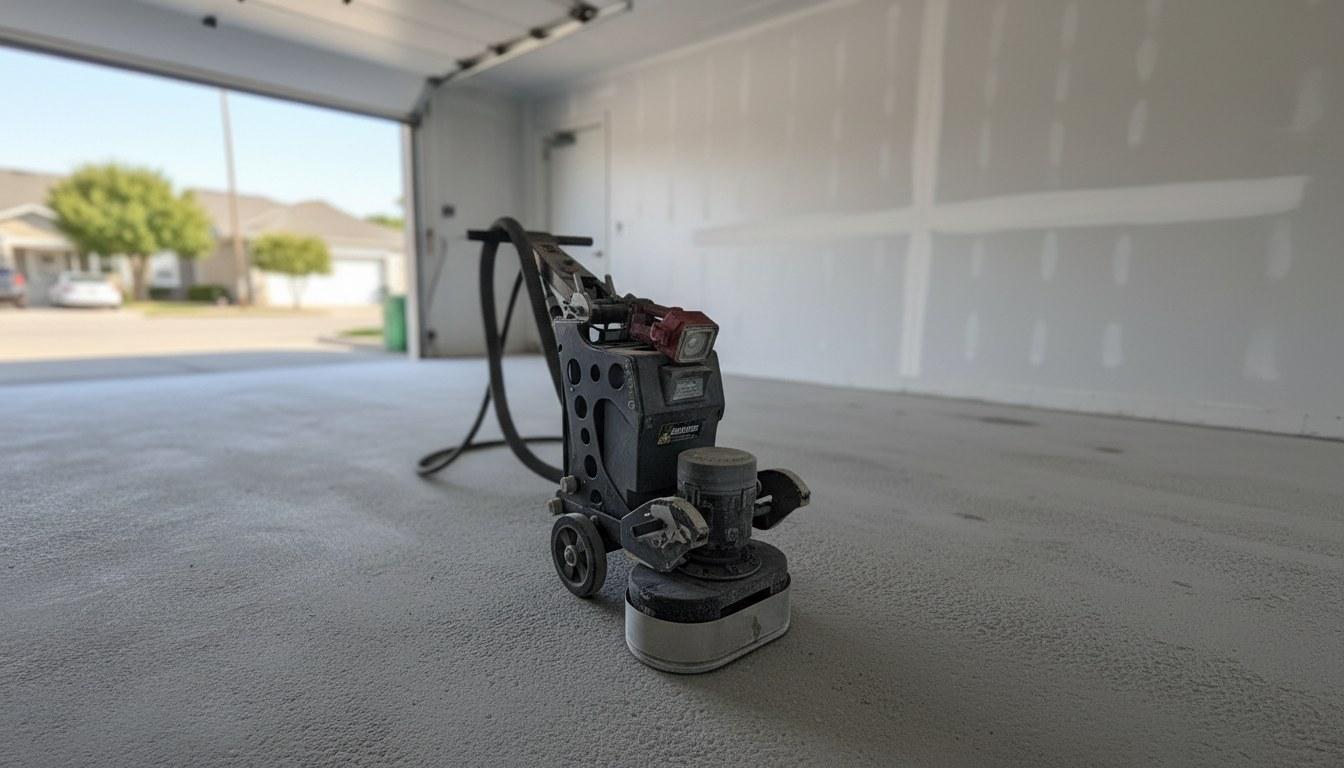
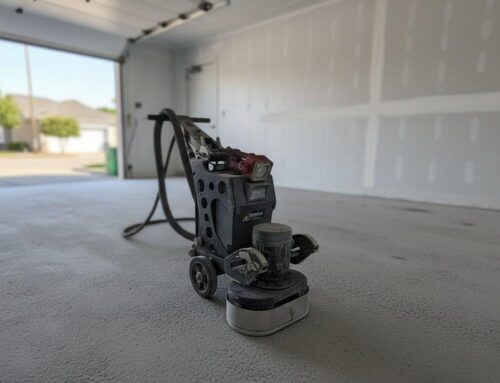
- Surface preparation: Concrete must be mechanically profiled to a concrete surface profile (CSP) of 2 to 3 for most epoxy systems, per ICRI guidelines. This is achieved through diamond grinding or shot blasting. Oil spots are treated with degreasers and sometimes additional grinding passes.
- Primer coat: A penetrating epoxy primer fills the pores in the concrete and creates a mechanical bond for the base coat. On high-moisture slabs, a moisture-mitigating primer goes down first and cures for 8 to 12 hours before the next coat.
- Base coat and broadcast: The main epoxy layer is applied at the specified mil thickness. For flake systems, vinyl chips are broadcast into the wet coat until full coverage is achieved, then excess is scraped off after curing.
- Topcoat: A clear polyaspartic, polyurea, or urethane topcoat seals the system, adds UV stability (critical for exterior applications), and provides the final sheen level, from matte to high gloss.
Total cure time before light foot traffic is typically 12 to 24 hours. Full vehicle traffic should wait 48 to 72 hours depending on the system and ambient temperature. California’s warm climate generally helps cure times, but applications below 50 degrees Fahrenheit slow the chemical reaction significantly and can cause adhesion problems.
What Are the Most Common Mistakes That Lead to Coating Failure?
Most epoxy coating failures trace back to one of four problems: inadequate surface prep, skipped moisture testing, wrong system for the application, or applying product outside the manufacturer’s temperature window. Understanding these failure points helps you evaluate any contractor’s proposal before work begins.
- Acid etching instead of grinding: Acid etching alone does not produce the surface profile that epoxy needs to bond properly. Diamond grinding or shot blasting is the industry-standard method for residential and commercial prep. A contractor who only acid-etches is cutting corners.
- No moisture test: Moisture vapor trapped under an epoxy coating has nowhere to go and eventually pushes the coating off the slab. This is the most common cause of bubbling and delamination, and it is entirely preventable with a simple test before coating begins.
- Using a water-based epoxy on a high-traffic floor: Water-based epoxy products are thinner, lower in solids content, and wear faster than 100-percent solids systems. They are appropriate for light-duty decorative use but fail quickly under vehicle traffic or chemical exposure.
- Applying in direct sunlight on hot concrete: Concrete surface temperatures above 90 degrees Fahrenheit cause epoxy to cure too fast, trapping air bubbles and reducing penetration into the slab. In Southern California summers, morning application windows are critical.
- Skipping the topcoat: Bare epoxy without a polyaspartic or urethane topcoat scratches easily, yellows under UV, and stains from oil and chemicals. The topcoat is not optional for any floor that will see real use.
We see delamination failures most often on floors where the previous installer skipped mechanical prep entirely. In our experience, roughly 6 in 10 re-coat jobs we evaluate show clear signs that the original installer used acid wash only, with no grinding, which is why the first coating failed within 18 months.
Roughly 6 in 10 re-coat jobs we evaluate show clear signs that the original installer used acid wash only, with no grinding, which is why the first coating failed within 18 months.
Ready to Get the Right Coating for Your Floor?
Choosing the right epoxy system starts with an honest assessment of your floor’s condition, use, and environment. This epoxy services guide gives you the framework, but every slab is different, and a professional inspection will catch moisture issues, existing coating failures, or substrate problems that change the recommendation.
Five Star Epoxy & Coatings installs the full range of coating systems across Southern California, from single-car garage floor epoxy services to large-scale commercial and industrial projects. Whether you need a decorative metallic finish for a retail space or a heavy-duty flake system for a warehouse floor, the right solution starts with the right conversation.
Call (818) 355-3804 to schedule your on-site assessment and get a written, itemized quote. Homeowners and facility managers across Southern California rely on Five Star Epoxy & Coatings for coating systems that are matched to their actual floor conditions, not just the most popular option.
Frequently Asked Questions
How much does it cost to install epoxy on a garage floor?
In the Southern California market, garage floor epoxy services typically range from $3 to $7 per square foot for a solid or flake system. A standard two-car garage of around 400 to 500 square feet generally falls between $1,200 and $3,500 depending on surface prep needs, the number of coats, and the topcoat type. Decorative metallic systems run higher, often $8 to $15 per square foot. Contact Five Star Epoxy & Coatings at (818) 355-3804 for an itemized quote based on your actual floor.
How long does an epoxy garage floor last?
A properly installed 100-percent solids epoxy system with a polyaspartic or urethane topcoat typically lasts 10 to 20 years in a residential garage with normal vehicle use. Floors that see heavy chemical exposure, daily commercial traffic, or that were installed without proper surface prep will wear faster. Recoating the topcoat layer every 5 to 7 years can extend the life of the base system significantly.
Can epoxy be applied over an existing coated floor?
It depends on the condition and adhesion of the existing coating. If the current coating is peeling, bubbling, or delaminating, it must be fully removed before a new system goes down. If the existing coating is sound and well-bonded, a professional can test adhesion and apply a compatible primer and new topcoat over it. Skipping this evaluation and coating over a failing surface is the fastest way to repeat the same failure.
Is epoxy flooring slippery when wet?
A high-gloss epoxy topcoat can be slippery when wet if no texture is added. Most professional installers address this by broadcasting fine aluminum oxide or silica sand into the topcoat, which adds grip without significantly changing the appearance. Flake and chip systems also provide natural texture that improves slip resistance. For garage floors, balconies, and driveways where water exposure is common, always ask for an anti-slip additive in the topcoat.
How long do I have to stay off the floor after epoxy is applied?
Light foot traffic is typically safe after 12 to 24 hours, depending on the system and temperature. Vehicle traffic should wait at least 48 to 72 hours for most residential systems. Full chemical cure, meaning the coating has reached its maximum hardness and bond strength, takes 5 to 7 days. Placing heavy objects or parking vehicles on the floor before full cure can leave impressions or damage the surface.