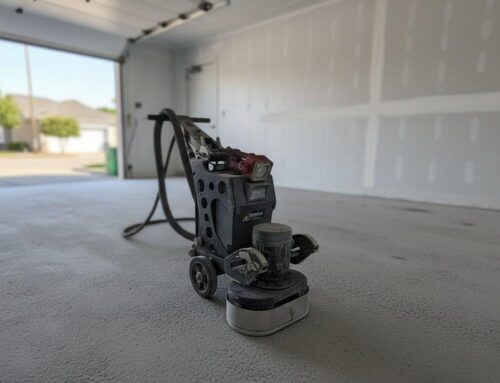
Do You Need a Permit to Install Epoxy Flooring in California? What the Building Code Actually Requires
Most epoxy flooring projects in California do not require a building permit, but the exceptions matter and can cost you if you miss them. This guide breaks down exactly when a permit is needed, what the code says, and how to keep your project compliant.

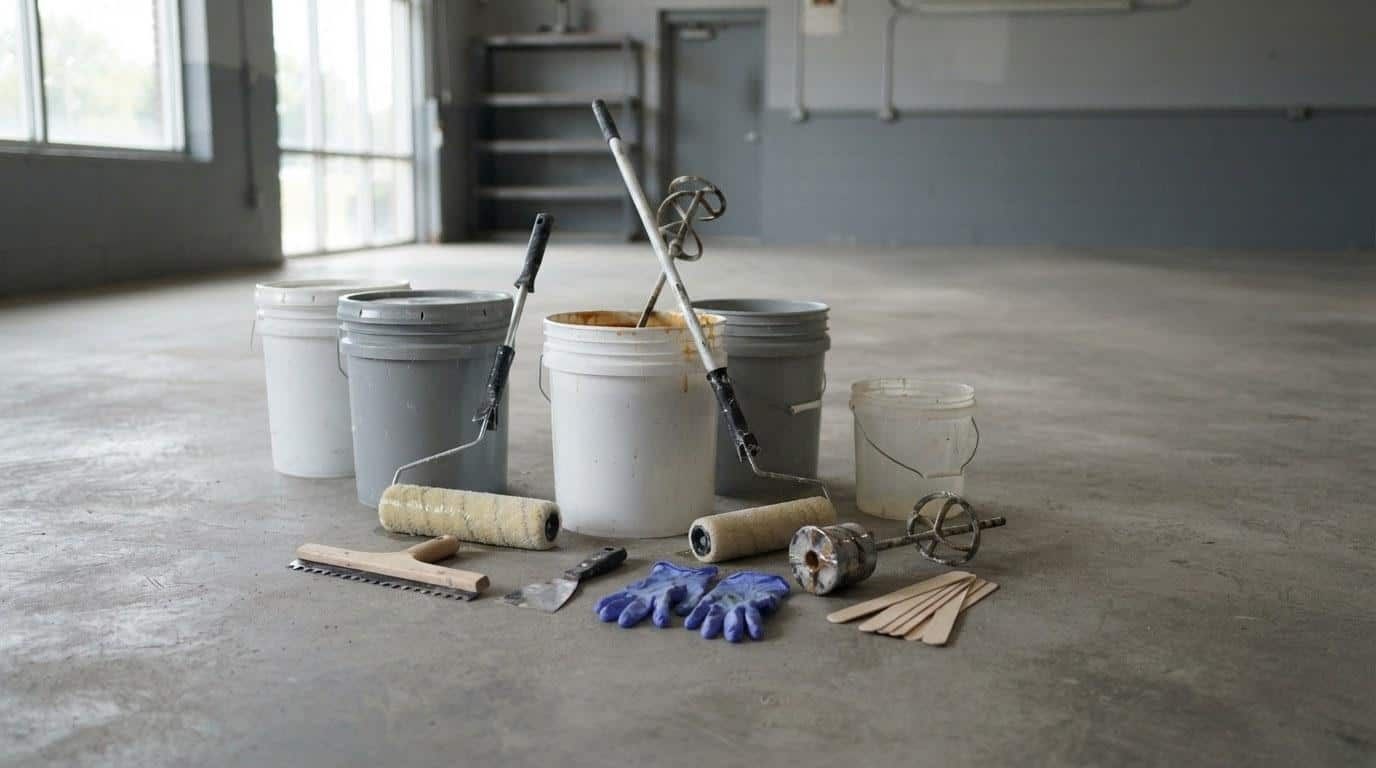
Does Epoxy Flooring Require a Permit in California?
Most epoxy flooring installations in California do not require a building permit. The California Building Code generally classifies surface coatings, including epoxy, as cosmetic or finish work, which falls outside the permit threshold. That said, specific project conditions can push an installation into permit territory, and those exceptions are worth understanding before any work starts.
This epoxy flooring permit california guide covers the exact code provisions that apply, the situations that create permit obligations, and what both homeowners and business owners across California need to know to stay compliant.
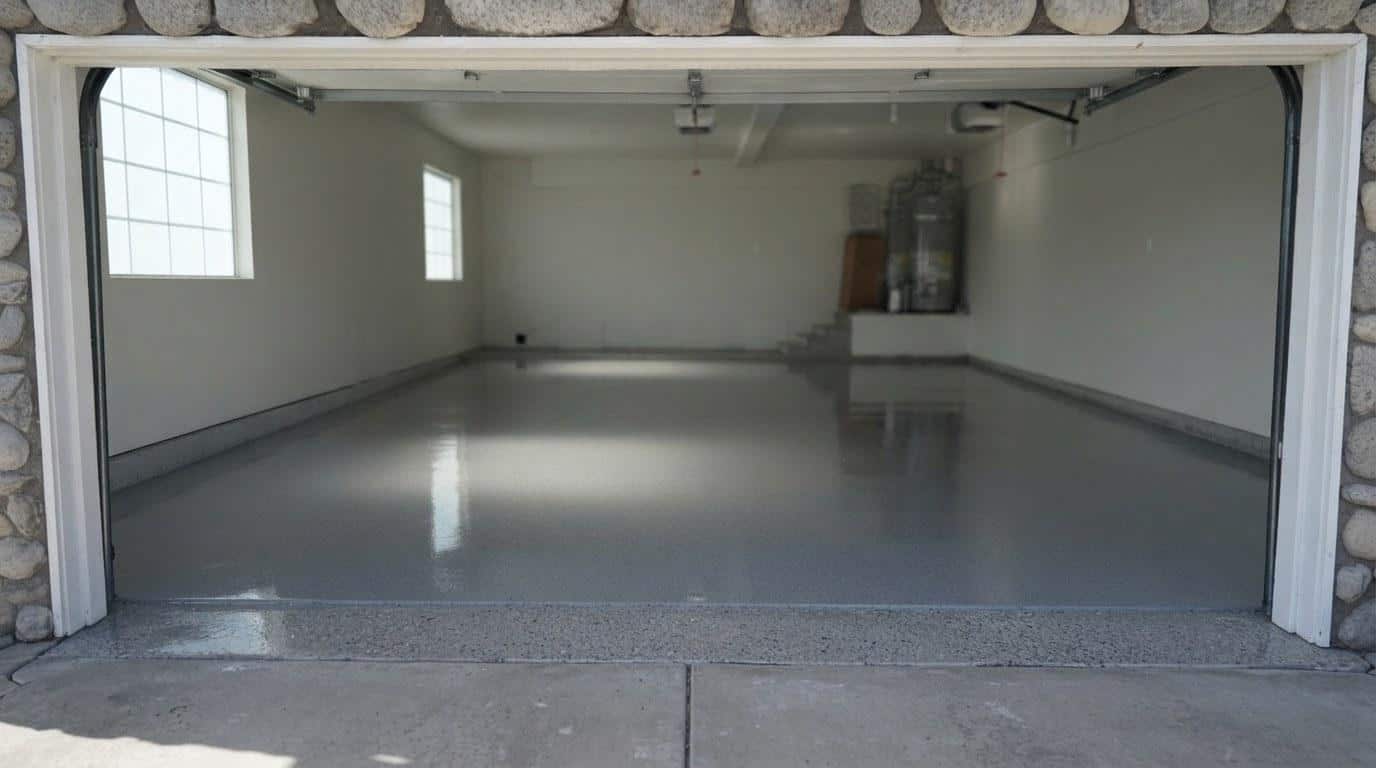
What Does California’s Building Code Actually Say About Floor Coatings?
California follows the California Building Code (CBC), which is based on the International Building Code (IBC) with state-specific amendments adopted through the California Building Standards Commission. Under the CBC, work classified as ordinary repairs or cosmetic finishes does not require a permit. Applying an epoxy coating over an existing concrete slab falls squarely into that category in most cases.
The key legal language comes from CBC Section 105.2, which lists work exempt from permits. Surface finishes applied to existing structural elements are explicitly included in the exemption list, provided they do not alter the load-bearing capacity, change the use of the space, or affect fire-rated assemblies.
California also enforces Title 24 building energy standards, but those provisions apply to insulation, glazing, and mechanical systems, not to floor coatings. Epoxy flooring does not fall under Title 24 compliance requirements.
What About VOC Regulations?
Even when no building permit is needed, California’s air quality rules still apply to the coatings themselves. The California Air Resources Board (CARB) sets limits on volatile organic compounds (VOCs) in architectural coatings, and epoxy products used in California must comply with those limits. Reputable contractors use compliant products as a standard practice, but it is worth confirming before work begins.
For projects in the South Coast Air Quality Management District (SCAQMD), which covers much of Southern California, the VOC limits for floor coatings are capped at 100 grams per liter as of the most recent rule update. Contractors working in this region should be familiar with SCAQMD Rule 1113, which governs architectural coatings.
When Does an Epoxy Flooring Project Trigger a Permit Requirement?
A permit becomes necessary when the epoxy flooring project involves work beyond a simple surface coating. Structural repairs, drainage changes, and certain occupancy types are the most common triggers. Below are the specific conditions that typically require pulling a permit before work starts.
A permit becomes necessary when the epoxy flooring project involves work beyond a simple surface coating, including structural repairs, drainage changes, and certain occupancy types.
- Structural concrete repair: If the slab beneath the epoxy needs significant repair, such as filling deep cracks, addressing heaving, or grinding down more than a surface layer, that work may qualify as structural alteration under CBC Chapter 34 and require a permit.
- Change of occupancy: If the space is being converted from one use to another, such as turning a garage into a living space or a warehouse into a commercial kitchen, the flooring is part of a larger scope of work that almost always requires permits.
- Floor drains and plumbing modifications: Adding or relocating a floor drain in conjunction with an epoxy coating installation triggers plumbing permit requirements under the California Plumbing Code.
- Regulated commercial occupancies: Food service facilities, healthcare settings, and childcare centers are subject to additional agency oversight. In these environments, floor coatings may need to meet specific slip-resistance, sanitation, or fire-rating standards reviewed during inspections.
- Fire-rated floor assemblies: In multi-story commercial buildings, if the existing floor assembly carries a fire rating, any modification including the addition of a thick coating system must be reviewed to confirm the rating is preserved.
- ADA compliance modifications: If the project involves changing floor elevations or transitions at doorways in a commercial setting, those changes fall under ADA accessibility requirements and may trigger a permit review.
Our team sees structural repair combined with epoxy coating come up most often on slabs that are 20 or more years old, where surface prep uncovers damage that goes beyond simple grinding. In those cases, we document the scope carefully so the client knows exactly what requires a permit and what does not.
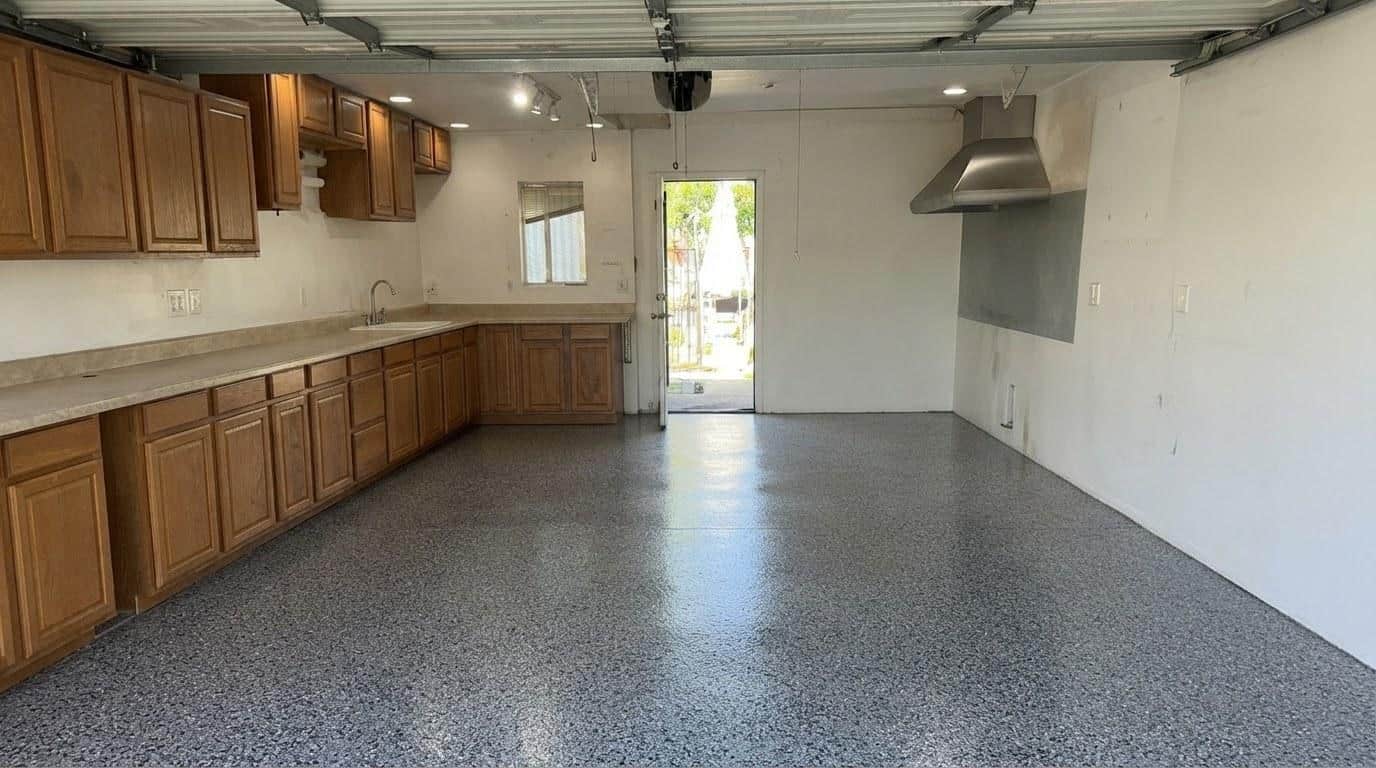
How Do Permit Rules Differ for Residential vs. Commercial Projects?
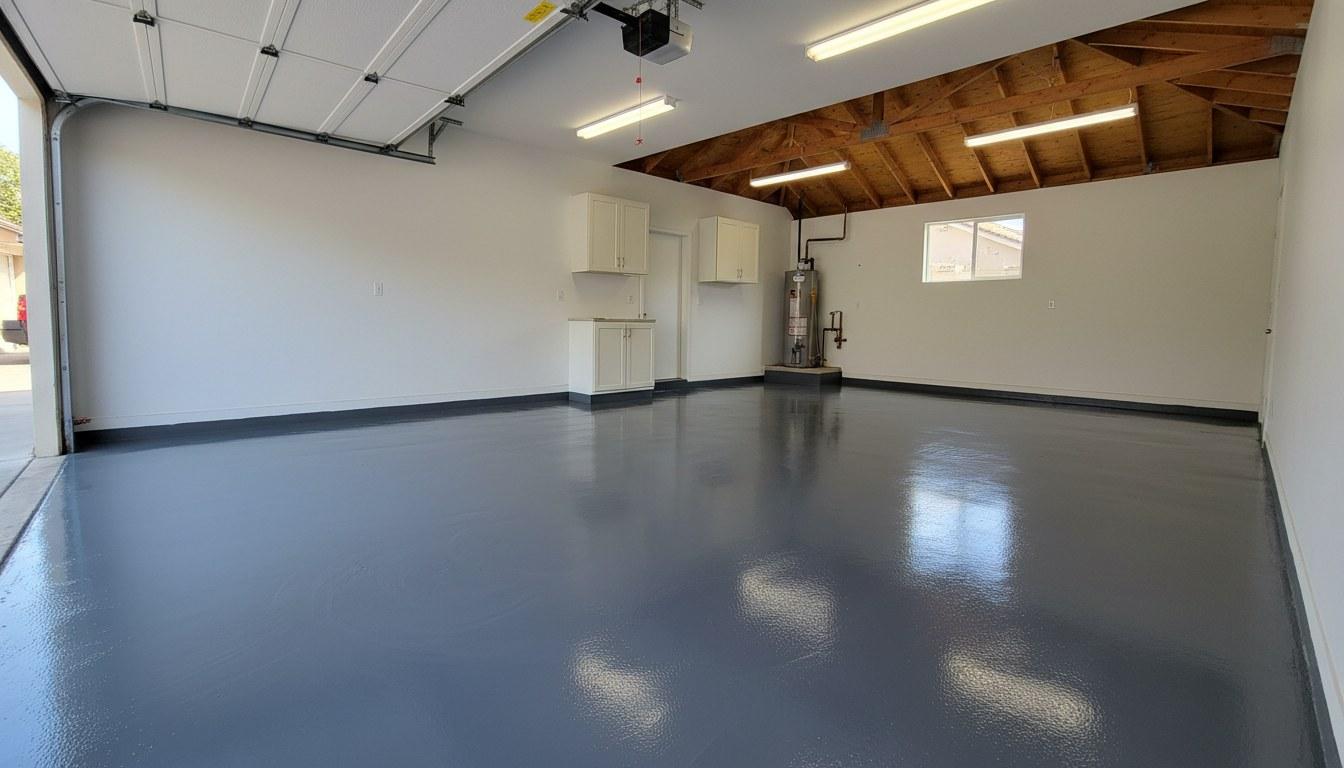
Residential epoxy flooring projects, such as garage floors and basement coatings, almost never require a permit in California when the work is limited to coating an existing slab. Commercial projects face a higher bar because of occupancy classifications, fire codes, and health department oversight.
| Project Type | Typical Permit Required? | Key Factors |
|---|---|---|
| Residential garage epoxy floor | No | Cosmetic surface coating on existing slab; no structural or plumbing changes |
| Residential basement or interior floor | No | Same exemption applies; verify if converting space to habitable use |
| Commercial warehouse or industrial floor | Usually No | Coating only; check if drainage or fire-rating assemblies are affected |
| Commercial kitchen or food service floor | Often Yes | Health department review; slip-resistance and sanitation standards apply |
| Healthcare or childcare facility floor | Often Yes | State licensing agencies may require inspection of floor finish materials |
| Epoxy over structural slab repair | Yes | Structural work triggers CBC permit requirement regardless of finish type |
| Balcony or exterior deck epoxy coating | Sometimes | Waterproofing membranes on elevated decks may require permit per CBC 1507 |
Garage Epoxy Floors: The Most Common Residential Project
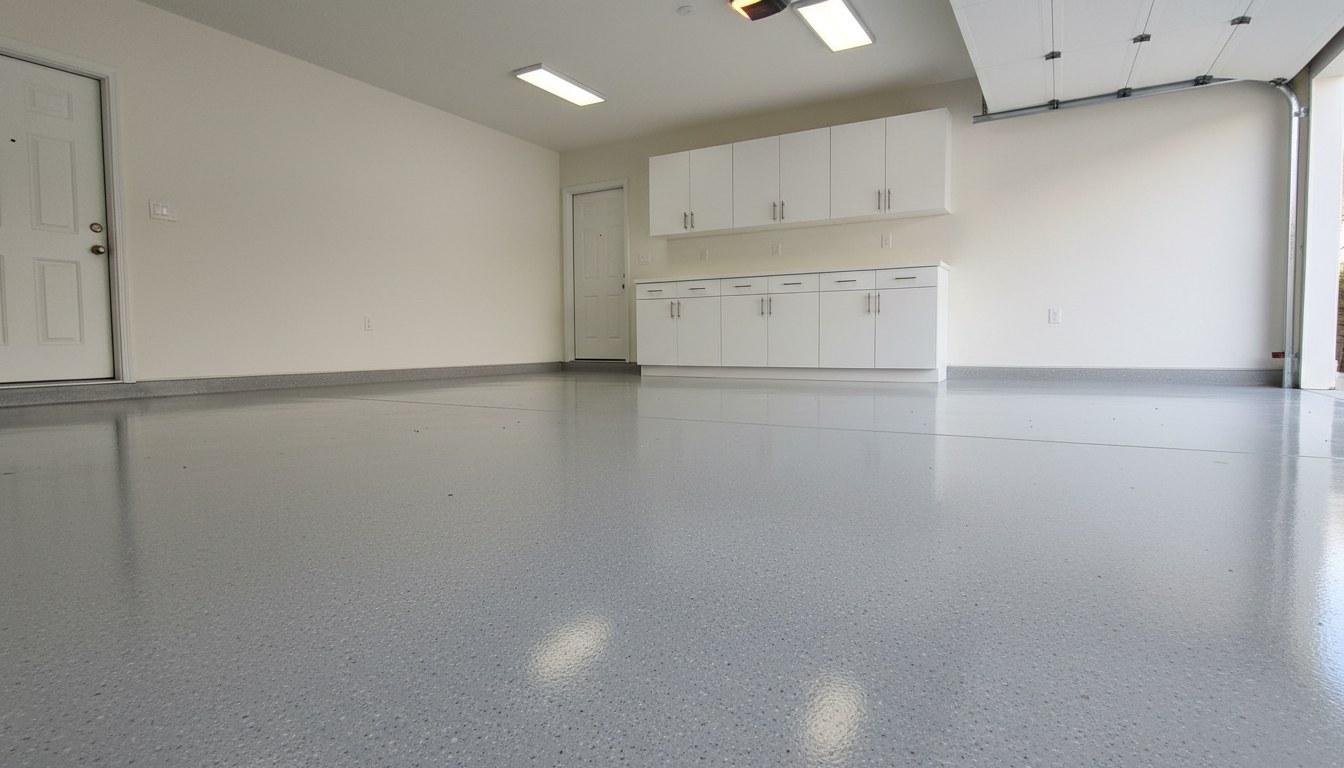
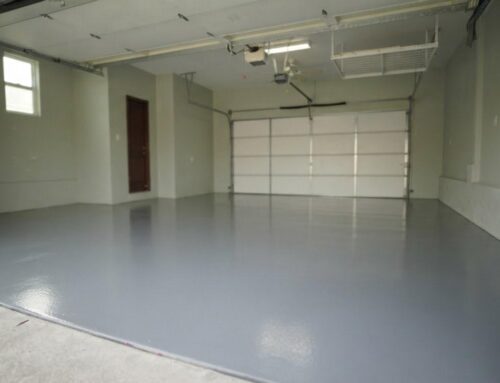
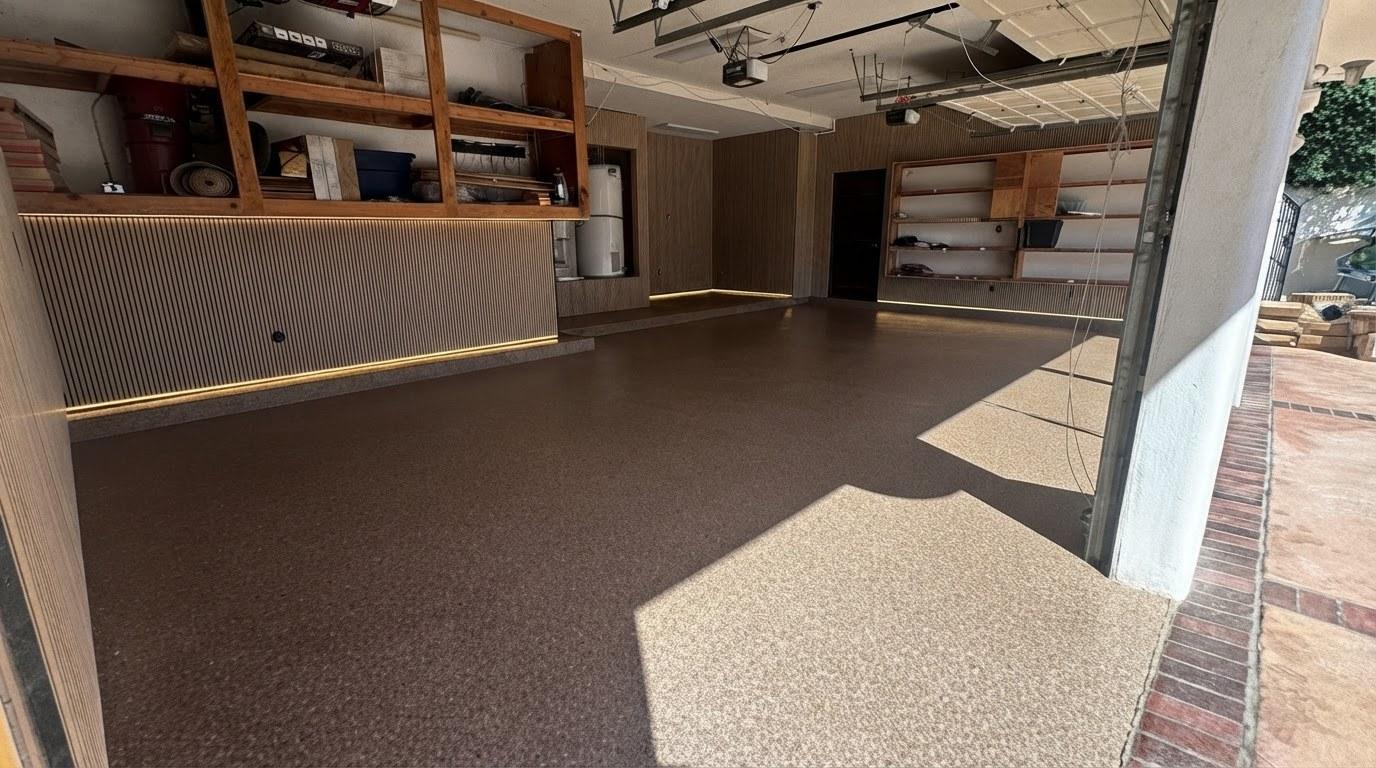
Chip and flake epoxy flooring systems applied to a residential garage slab are the most frequently installed type across California, and they consistently fall under the permit exemption. The process involves surface preparation, a primer coat, a broadcast layer of decorative flakes, and a clear topcoat, none of which alter the structure of the slab or the building.
Homeowners should still verify with their local jurisdiction if they have any doubt. Permit rules are administered at the city and county level in California, and while the CBC sets the baseline, local amendments can add requirements. A quick call to the local building department takes about 5 minutes and removes all uncertainty.
Balcony and Driveway Coatings
Balcony and driveway epoxy coatings sit in a gray area that depends on the specific system being installed. A thin decorative coating on a ground-level driveway is almost always permit-free. An elevated balcony, however, may involve a waterproofing membrane system that CBC Section 1507 classifies as a roofing or waterproofing assembly, which can require a permit and inspection. Always clarify the scope with your contractor and local building department before starting work on an elevated surface.
What Happens If You Skip a Required Permit?
Skipping a required permit in California can result in stop-work orders, fines, and forced removal of the completed work. For commercial properties, unpermitted work can also affect your Certificate of Occupancy and complicate future sales or lease agreements.
Skipping a required permit in California can result in stop-work orders, fines, and forced removal of the completed work, with fines ranging from 1 to 4 times the original permit fee.
California building departments have the authority to assess fines that range from the original permit fee up to 4 times that fee for work done without authorization, depending on the jurisdiction. Beyond fines, unpermitted structural or plumbing work discovered during a property sale can delay or kill the transaction entirely.
For residential homeowners, unpermitted work that is later discovered during a refinance or sale must typically be disclosed. Buyers may require the work to be permitted retroactively, which often means opening walls or floors for inspection, a process far more disruptive than simply pulling the permit upfront.
- Stop-work orders: Issued immediately when a building inspector identifies unpermitted work in progress.
- Financial penalties: Fines typically range from 1 to 4 times the original permit fee, varying by jurisdiction.
- Retroactive permitting: May require destructive investigation of completed work to allow inspection.
- Insurance complications: Damage claims related to unpermitted work may be denied by your insurer.
- Real estate disclosure obligations: California law requires sellers to disclose known unpermitted improvements.
How Do You Choose a Qualified Epoxy Flooring Contractor in California?
In California, contractors who apply epoxy and concrete coatings must hold a valid license issued by the California Contractors State License Board (CSLB). For most epoxy flooring work, the relevant license classification is C-15 (Flooring and Floor Covering) or C-33 (Painting and Decorating), depending on the scope.
Hiring a licensed contractor matters for permit compliance because only a licensed contractor can legally pull permits on your behalf in California. If a permit is required and your contractor is unlicensed, you as the property owner bear full legal responsibility for the work, including any code violations.
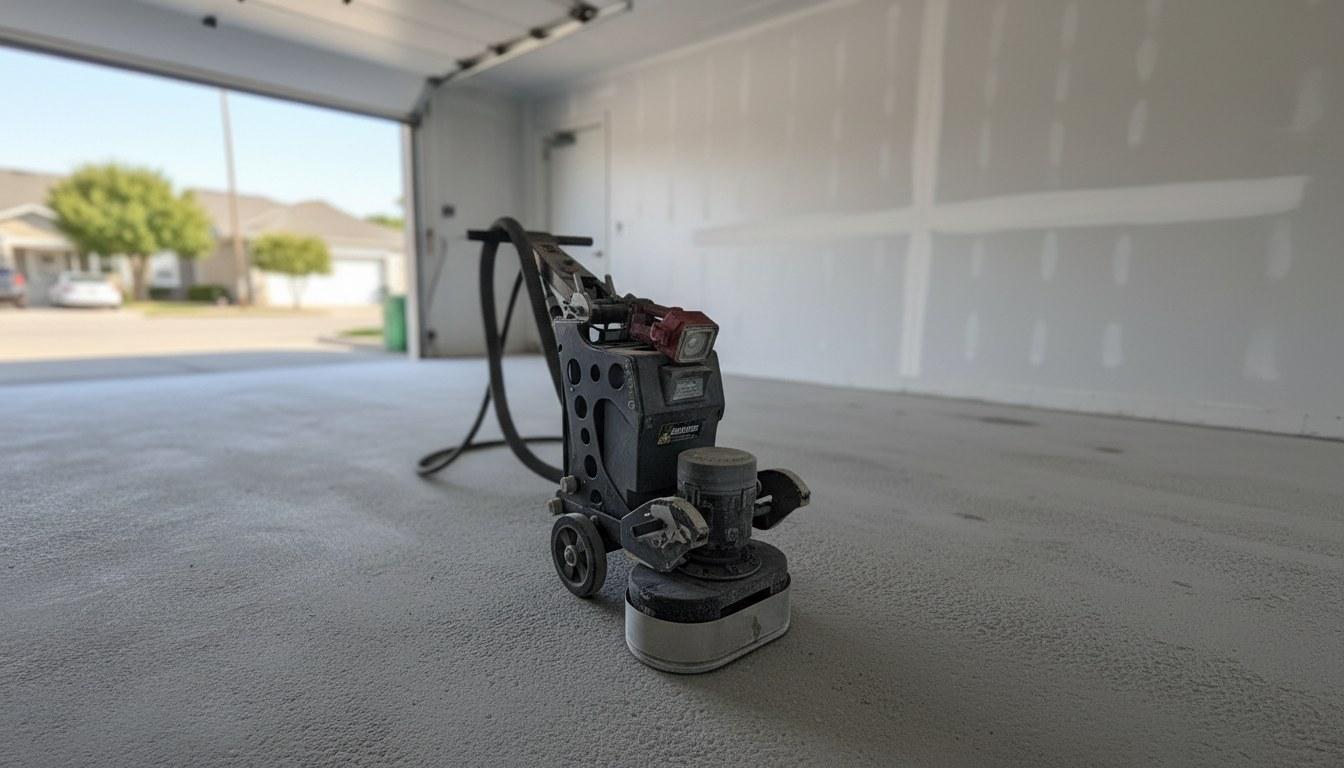
Across our projects on commercial and industrial floors, we find that roughly 1 in 5 clients initially underestimates the prep work needed before coating, particularly on slabs that have been sealed or contaminated with oil over 10 or more years. Proper surface preparation, typically diamond grinding to an ICRI CSP 2 or CSP 3 profile, is what determines whether the coating lasts 10 to 15 years or fails within 2.
Proper surface preparation, typically diamond grinding to an ICRI CSP 2 or CSP 3 profile, is what determines whether the coating lasts 10 to 15 years or fails within 2.
Questions to Ask Before Hiring
- CSLB license number: Ask for it and verify it at cslb.ca.gov before signing any contract.
- Permit responsibility: Confirm in writing who is responsible for pulling any required permits.
- VOC compliance: Ask which specific epoxy products will be used and confirm they meet CARB and local air district VOC limits.
- Surface preparation method: Diamond grinding is the industry standard; shot blasting is appropriate for larger industrial floors. Acid etching alone is generally considered inadequate for long-term adhesion.
- Warranty documentation: Get any workmanship or product coverage in writing with clear terms.
- Insurance certificates: Request a current certificate of general liability and workers compensation insurance.
Ready to Get Your Epoxy Floor Installed the Right Way?
Whether you are planning a garage floor, a commercial space, or an industrial facility across Southern California, working with a licensed epoxy coating company removes the guesswork around permits, code compliance, and product selection.
Five Star Epoxy & Coatings installs residential, commercial, and industrial epoxy flooring systems throughout California. Our team handles the full scope, from surface preparation and product selection to permit guidance on projects that require it. We install solid epoxy finishes, chip and flake epoxy flooring, metallic and artistic epoxy finishes, and protective coatings for balconies and driveways.
If you are researching your options and want a straight answer about whether your project needs a permit, call us before work begins. Getting that question right at the start saves time and money.
Call Five Star Epoxy & Coatings at (818) 355-3804 to schedule a consultation and get a custom quote for your project. We serve homeowners and businesses across Southern California.
Frequently Asked Questions
How much does it cost to install an epoxy garage floor in California?
In the California regional market, epoxy garage floor installations typically range from $3 to $12 per square foot, depending on the system chosen, the condition of the existing slab, and the level of surface preparation required. A basic solid epoxy finish costs less than a full chip and flake or metallic system. The biggest cost drivers are slab repair needs, floor size, and the number of coating layers. Contact Five Star Epoxy & Coatings at (818) 355-3804 for a custom quote based on your specific project.
Do I need a permit to epoxy my garage floor in California?
In most cases, no permit is required to apply an epoxy coating to a residential garage floor in California. The California Building Code classifies surface coatings as cosmetic finish work, which is exempt from permit requirements. A permit would only be needed if the project also involves structural slab repair, drainage changes, or a conversion of the garage to a different use. When in doubt, a quick call to your local building department will confirm the answer for your specific jurisdiction.
How long does an epoxy floor last in a California garage?
A professionally installed epoxy garage floor in California typically lasts 10 to 15 years with normal use and basic maintenance. The biggest factor affecting lifespan is surface preparation: floors ground to the correct profile before coating adhere far better and resist peeling and delamination. Hot tire pickup, heavy chemical exposure, and UV light on non-UV-stable topcoats can shorten the service life. Choosing a quality system installed by a licensed contractor is the most reliable way to maximize longevity.
Can I install epoxy flooring myself, or should I hire a professional?
DIY epoxy kits are available at home improvement stores, but they use thinner formulations than professional-grade systems and rarely achieve the same adhesion or durability. Professional concrete epoxy contractors use commercial-grade products, diamond grinding equipment, and multi-coat systems that are not practical for most homeowners to replicate. For a garage floor expected to last a decade or more under vehicle traffic, professional installation is the more cost-effective choice over time.
What license should a California epoxy flooring contractor have?
California epoxy and concrete coating contractors should hold a valid license issued by the California Contractors State License Board (CSLB), typically under the C-15 (Flooring and Floor Covering) or C-33 (Painting and Decorating) classification depending on the scope of work. You can verify any contractor's license status for free at cslb.ca.gov. Hiring an unlicensed contractor means you, as the property owner, bear legal responsibility for any code violations or permit issues that arise.