Epoxy Flooring Installation Cost: 2026 Pricing Guide for CA Homeowners
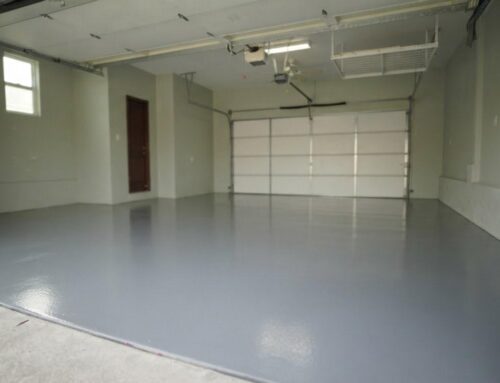
Epoxy flooring installation cost in the CA regional market typically ranges from $3 to $12 per square foot, depending on floor condition, coating system, and project scope. This guide breaks down every factor that moves the price.
What Does Epoxy Flooring Installation Cost in the Southern CA Market?
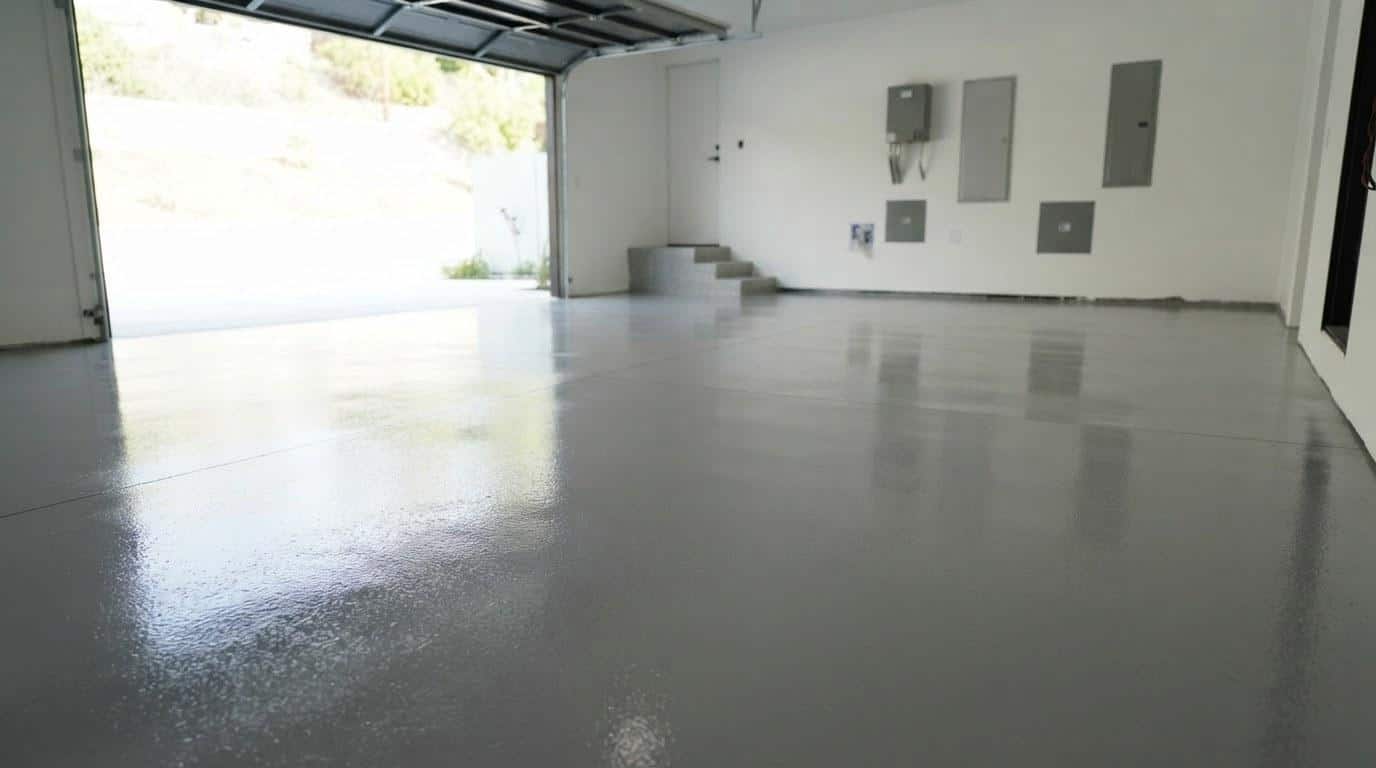
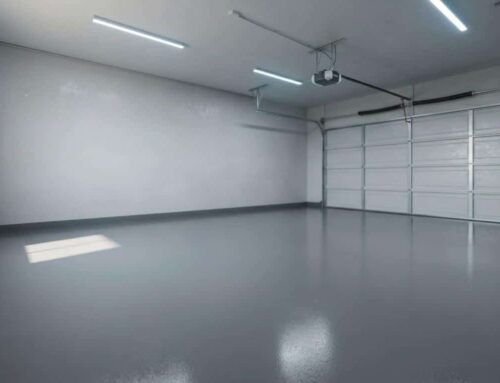
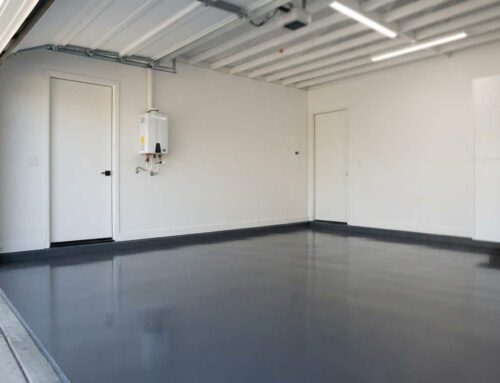
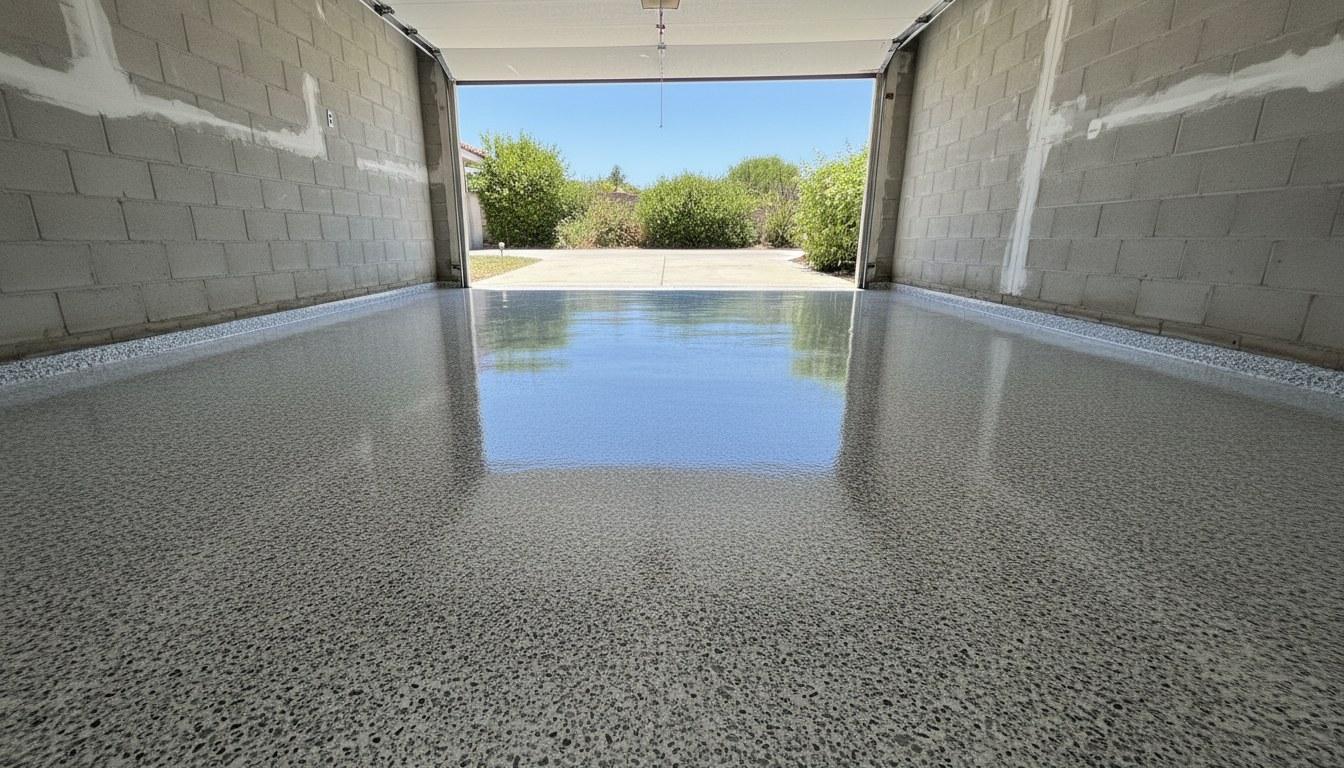
Epoxy flooring installation cost in the Southern California regional market typically ranges from $3 to $12 per square foot, with most residential garage projects landing between $1,500 and $4,500. Premium systems with decorative flake, metallic finishes, or polyaspartic topcoats can reach $6,000 or more on larger floors. These are market-context ranges only — your actual cost depends on the specific conditions of your slab, the coating system you choose, and the scope of prep work required.
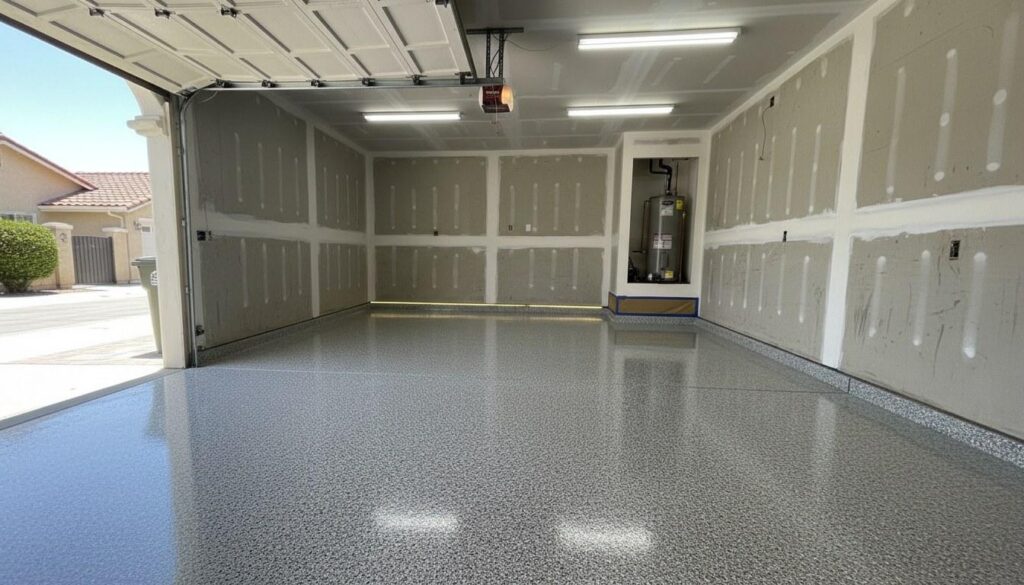
For a standard two-car garage (roughly 400 to 500 square feet), homeowners across the region most commonly invest between $2,000 and $3,500 for a full broadcast flake system with a polyaspartic topcoat. Single-coat epoxy on a clean, well-prepped slab can come in lower, while multi-layer metallic systems on larger or damaged floors can push well past $5,000.
Summer is the busiest season for garage floor upgrades in the region. Scheduling your project in spring — before peak demand hits in June through August — can help you lock in earlier appointment windows and avoid delays.
What Factors Affect Epoxy Flooring Installation Cost the Most?
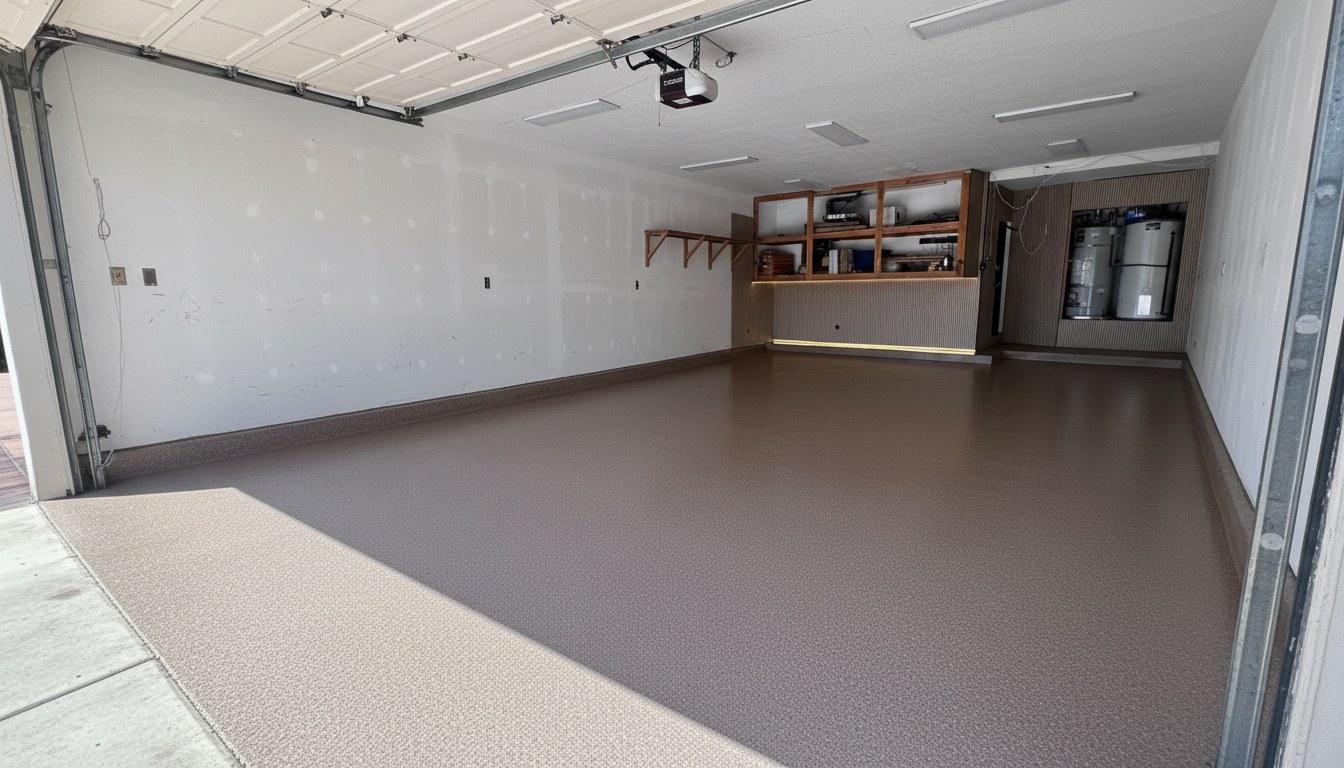
The single biggest driver of epoxy flooring installation cost is surface preparation — specifically, how much work the concrete needs before any coating goes down. A floor with cracks, pitting, oil stains, or a previous coating layer requires significantly more labor and materials than a clean, bare slab.
- Floor size: Cost scales with square footage. Larger floors spread the fixed setup cost over more area, which can lower the per-square-foot rate, but total project cost still rises with size.
- Concrete condition: Hairline cracks, spalling, deep oil contamination, or existing paint all require repair or removal before coating. Each repair step adds labor time and material cost.
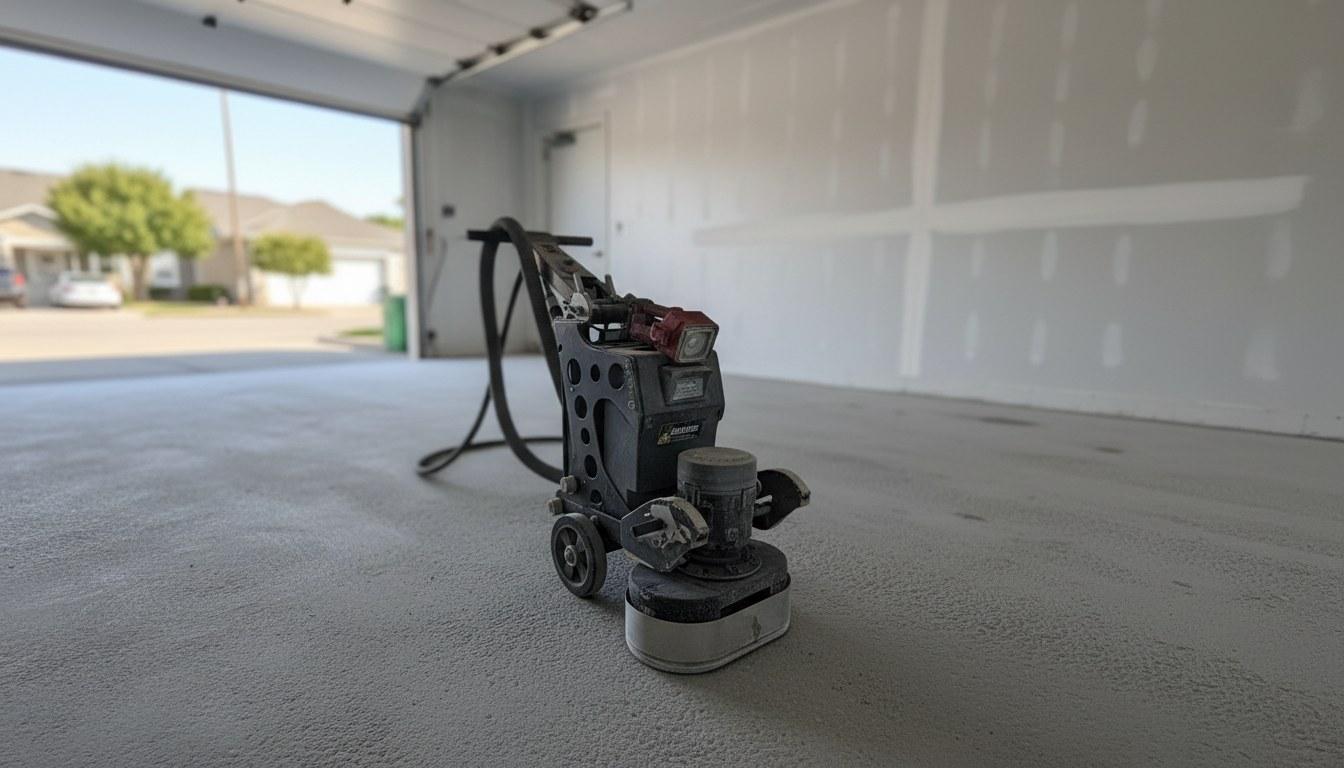
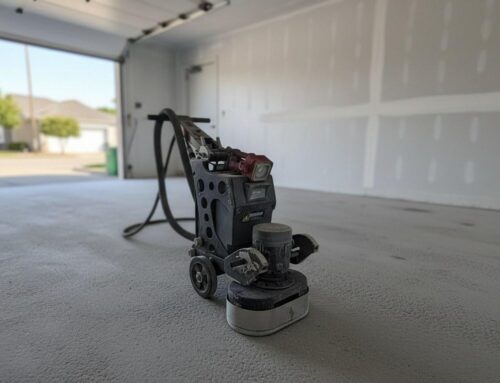
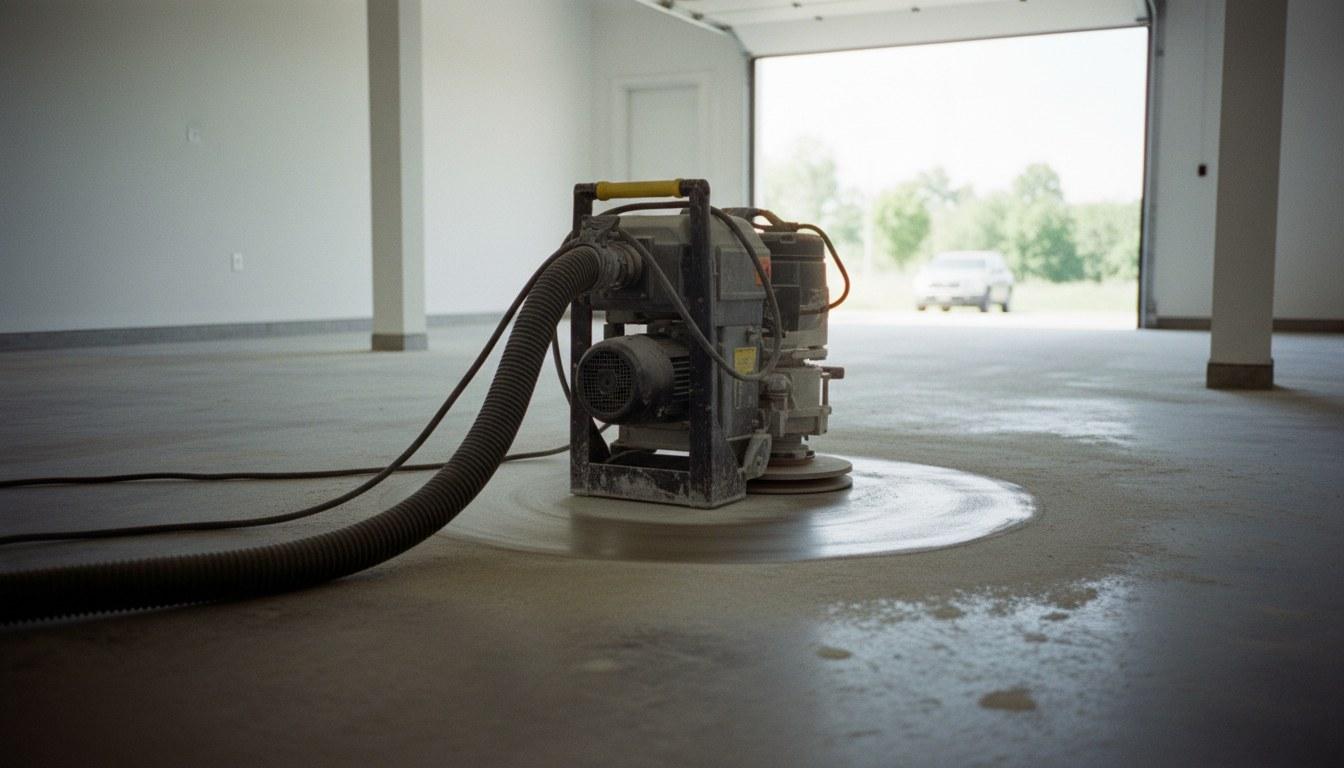
- Surface preparation method: Diamond grinding (the industry standard for mechanical adhesion) costs more than acid etching but produces a far stronger bond. Most quality installers use diamond grinding on residential slabs.
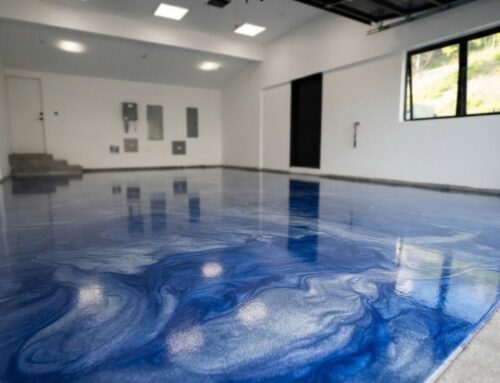
- Coating system selected: A basic single-coat epoxy costs less than a multi-layer system with a broadcast vinyl flake and a polyaspartic topcoat. Metallic epoxy systems with custom pigment blends sit at the top of the range.
- Number of coats: A two-coat system (base coat plus topcoat) is standard. Three-coat systems with a mid-coat or additional flake layer add cost but also add durability and visual depth.
- Custom finishes and colors: Solid colors cost less than full broadcast flake blends. Metallic and pearlescent finishes require specialty pigments and more application skill, which is reflected in the price.
- Access and obstacles: Floors with built-in cabinets, floor drains, stairs, or tight corners take longer to coat and may add to labor cost.
Our team sees concrete condition as the most commonly underestimated cost factor. On roughly 4 out of 10 garage floors we assess in the region, we find oil contamination deep enough to require a degreasing treatment before grinding — a step that adds time but is non-negotiable for a coating that actually bonds.
How Do Different Epoxy Systems Compare in Price and Performance?
Not all epoxy coatings are the same product. The term “epoxy” covers a wide range of systems, and the one you choose has the biggest single impact on both your upfront cost and how long the floor holds up.
| Coating System | Typical Market Range (per sq ft) | What’s Usually Included |
|---|---|---|
| Single-Coat Water-Based Epoxy | $3 – $5 | Light surface prep, one epoxy coat, basic solid color |
| 100% Solids Epoxy (2-Coat) | $4 – $7 | Diamond grinding, base coat, pigmented topcoat, solid color or light flake |
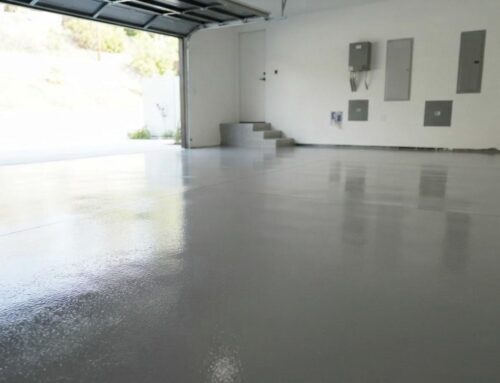
| Full Broadcast Vinyl Flake System | $5 – $9 | Diamond grinding, base coat, full flake broadcast, polyaspartic or urethane topcoat |
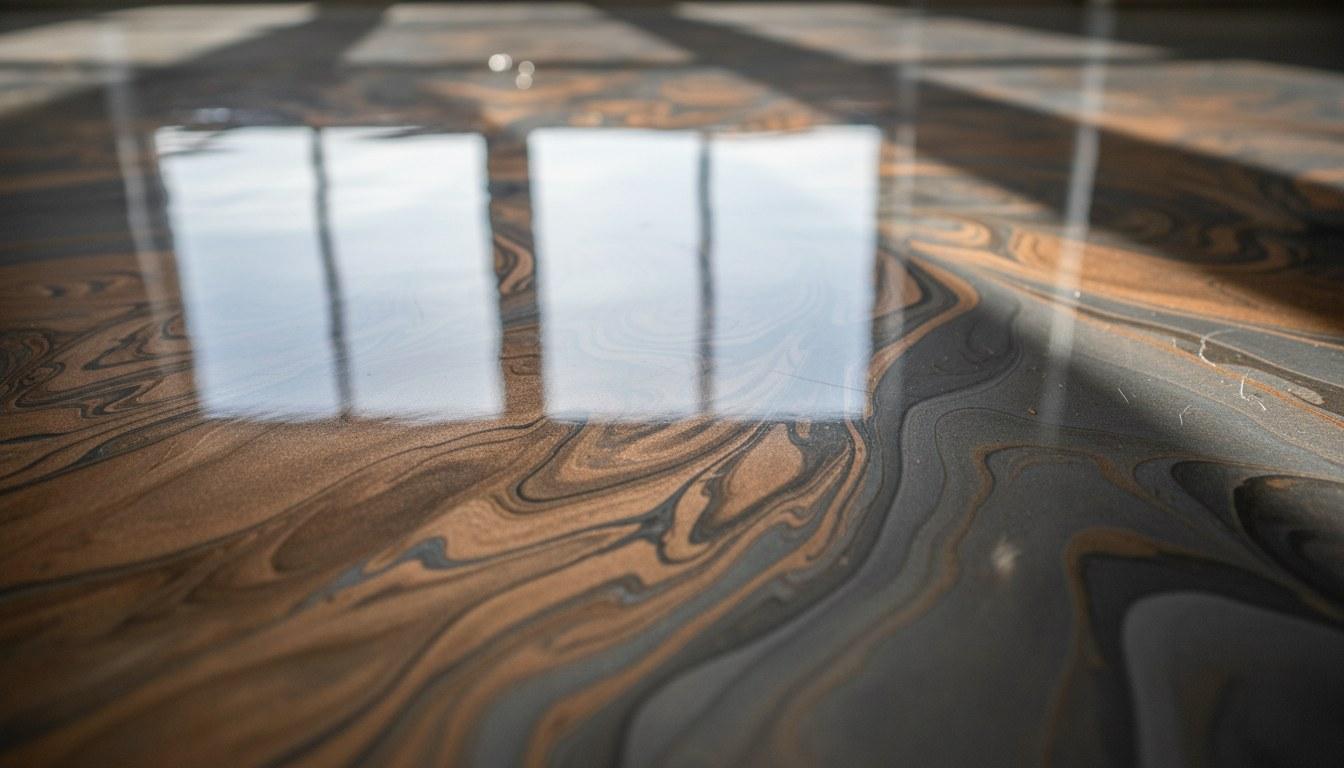
| Metallic Epoxy System | $7 – $12 | Diamond grinding, metallic pigment base, artistic finish, clear polyaspartic topcoat |
| Polyaspartic-Only System | $6 – $10 | Diamond grinding, polyaspartic base and topcoat, fast cure (same-day return to service) |
Polyaspartic systems cure faster than traditional epoxy — most are ready for foot traffic in 6 to 8 hours and vehicle traffic in 24 hours, compared to 3 to 7 days for some standard epoxy formulations. That faster return to service is a real advantage for homeowners who use their garage daily.
Polyaspartic systems cure faster than traditional epoxy — most are ready for foot traffic in 6 to 8 hours and vehicle traffic in 24 hours, compared to 3 to 7 days for some standard epoxy formulations.
For homes in high-income communities across Los Angeles County, the full broadcast flake system with a polyaspartic topcoat is the most requested finish. It combines durability, slip resistance, and a clean showroom look that holds up under vehicle traffic, UV exposure, and the temperature swings common to Southern California summers.
Five Star Epoxy & Coatings installs the full range of these systems — from practical two-coat solutions to custom metallic designs — so you can match the finish to your goals and your budget without compromise.
What Is NOT Included in a Standard Epoxy Flooring Quote?
Most standard epoxy flooring quotes cover surface prep, the coating system, and basic application on an accessible, open floor. Several common add-ons are priced separately and can add $200 to $1,500 or more to the final invoice if not discussed upfront.
- Crack and spall repair: Filling cracks, grinding down high spots, or patching spalled areas is often quoted as a line item based on the number and severity of repairs needed.
- Oil stain treatment: Deep oil contamination requires a chemical degreaser application and sometimes multiple grinding passes — this is separate from standard prep on a clean slab.
- Removal of existing coatings: Stripping old paint, a previous epoxy, or a sealer adds labor and can require shot blasting or aggressive diamond grinding.
- Moisture mitigation: Concrete slabs with high moisture vapor emission (common in older California homes built before modern vapor barriers) may need a moisture-tolerant primer coat, which adds material cost.
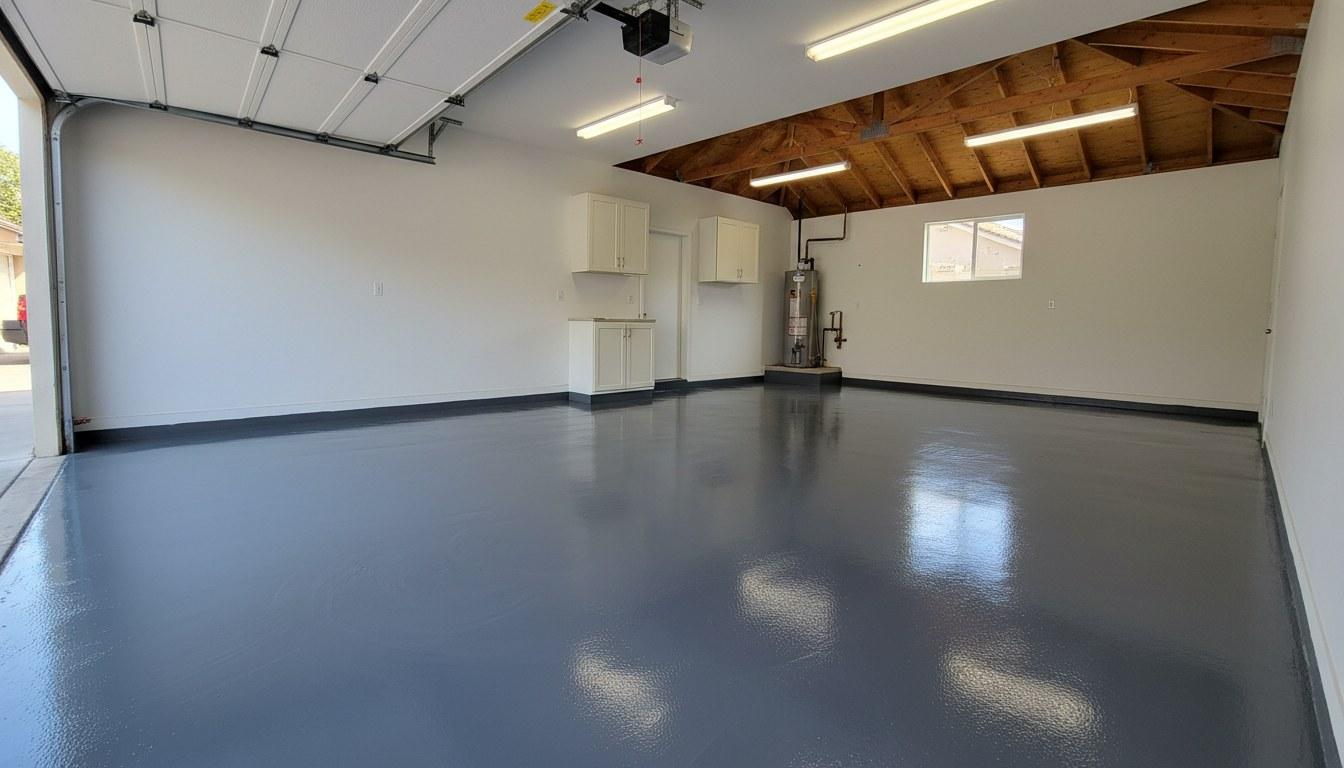
- Cove base installation: A coved floor-to-wall transition is a premium detail that requires additional material and labor beyond the flat floor surface.
- Moving or removing items: Most installers expect the floor to be clear before arrival. If the crew must move heavy items, expect an additional labor charge.
- Anti-slip additives: Aluminum oxide or shark-grip additives mixed into the topcoat for extra slip resistance are sometimes a separate line item.
Ask any contractor to itemize these potential add-ons before you sign. A quote that looks low but excludes crack repair and moisture treatment can end up costing more than a comprehensive quote that covers everything from the start.
How Do You Get an Accurate Epoxy Flooring Quote?
The most accurate epoxy flooring quotes come from an in-person assessment of your actual slab — not a per-square-foot estimate given over the phone. A contractor who quotes without seeing the floor cannot account for concrete condition, existing damage, or access challenges.
To make your quote appointment as productive as possible, have this information ready:
- Floor dimensions: Measure the length and width of the space (or spaces) you want coated. Include any alcoves or side areas.
- Current floor condition: Note any visible cracks, stains, pitting, or areas where a previous coating has peeled. Photos taken before the visit are helpful.
- Existing coatings or sealers: If you know the floor has been painted or sealed before, mention it. This affects prep requirements significantly.
- Intended use: A floor that will see daily vehicle traffic, chemical exposure, or heavy equipment needs a different system than a light-use utility room.
- Finish preferences: Bring photos or color references if you have a specific look in mind — solid color, flake blend, metallic, or a specific color palette.
- Timeline: If you need the project done before a specific date (a home sale, a renovation, a summer deadline), say so upfront so the contractor can check availability.
According to the California Contractors State License Board (CSLB), homeowners should always verify that a contractor holds a valid license before signing any contract. Licensed contractors are required to carry insurance and are accountable to state standards — an important protection on any home improvement project.
Get at least two written quotes that itemize labor, materials, prep work, and any potential add-ons separately. A single lump-sum number with no breakdown makes it impossible to compare bids fairly or understand what you’re actually paying for.
Is Epoxy Flooring Worth the Cost for a High-End Home?
For homeowners in premium communities across Southern California, professionally installed epoxy flooring consistently delivers a return that exceeds the installation cost — both in daily usability and in home resale appeal. A clean, durable garage floor is one of the first things buyers notice during a showing, and it signals a well-maintained property.
Here is how the investment stacks up against common alternatives:
| Flooring Option | Typical Lifespan | Maintenance Level | Relative Cost (Installed) |
|---|---|---|---|
| Professional Epoxy / Polyaspartic | 10 – 20+ years with proper care | Low (sweep, occasional mop) | Moderate |
| DIY Epoxy Paint Kit | 1 – 3 years before peeling | High (frequent touch-ups) | Low upfront, high long-term |
| Interlocking Tile / Mat | 5 – 10 years | Moderate (tiles shift, trap debris) | Moderate |
| Bare Concrete (sealed) | 3 – 5 years before re-sealing | Moderate (stains easily) | Low |
DIY epoxy paint kits sold at big-box stores use water-based formulations with far lower solids content than professional-grade systems. They typically peel within 1 to 3 years under vehicle traffic because they rely on acid etching rather than diamond grinding for adhesion — a surface that looks prepared but is not mechanically profiled to the standard that makes a coating last.
Across our service calls in the region, we find that roughly 30% of new customer inquiries involve a floor that had a DIY kit applied within the previous 2 years — and the most common complaint is peeling or bubbling near the tire contact zones. Removing a failed DIY coating before installing a professional system adds $0.50 to $1.50 per square foot to the prep cost, which erases much of the original savings.
Removing a failed DIY coating before installing a professional system adds $0.50 to $1.50 per square foot to the prep cost, which erases much of the original savings.
For homeowners who want a result that genuinely lasts — and that looks as good in year 10 as it did on day one — a professionally installed system is the smarter long-term investment. The U.S. Department of Energy also notes that an organized, well-finished garage can improve home energy efficiency by reducing air infiltration — a secondary benefit worth noting in California’s climate.
California’s climate is also relevant here. The National Weather Service Los Angeles reports that the region regularly sees summer temperatures exceeding 95°F in inland communities. Heat-resistant polyaspartic topcoats maintain their bond and finish under these conditions better than lower-grade water-based epoxy products, which can soften or yellow with prolonged UV and heat exposure.
Request a Custom Epoxy Flooring Quote in the Los Angeles Area
The market ranges in this guide give you a solid starting point, but your actual epoxy flooring installation cost depends entirely on your specific floor — its size, condition, and the system you choose. There is no substitute for an in-person assessment.
Five Star Epoxy & Coatings serves homeowners across Los Angeles County and surrounding communities with professional-grade epoxy, polyaspartic, and decorative coating systems. Whether you are planning a standard garage upgrade or a custom metallic showroom finish, the team can walk you through the options, explain exactly what your slab needs, and give you a written, itemized quote with no surprises.
Call (818) 355-3804 to schedule your on-site assessment. Same-week appointments are often available outside peak summer months, and spring is the ideal time to plan before the busy season fills the calendar.
Frequently Asked Questions
How much does it cost to install an epoxy floor in a two-car garage?
A two-car garage floor of roughly 400 to 500 square feet typically costs between $2,000 and $4,500 in the Southern California market for a professional broadcast flake system with a polyaspartic topcoat. The final number depends on the condition of your concrete, the coating system you choose, and any repair work needed before coating. Getting an in-person quote from a licensed contractor gives you the most accurate number for your specific floor.
How long does professionally installed epoxy flooring last?
A professionally installed epoxy or polyaspartic system typically lasts 10 to 20 years or more with basic maintenance — sweeping and occasional mopping. DIY water-based epoxy kits sold at hardware stores usually begin peeling within 1 to 3 years under vehicle traffic because they use acid etching rather than diamond grinding for surface prep. The quality of surface preparation is the biggest factor in how long any coating lasts.
Why is my epoxy garage floor peeling, and how much does it cost to fix?
Peeling epoxy almost always traces back to inadequate surface preparation — either a floor that was acid-etched instead of diamond-ground, or concrete with moisture or oil contamination that was not fully treated before coating. Removing a failed coating before re-coating typically adds $0.50 to $1.50 per square foot to the prep cost. A licensed installer will assess the existing floor and recommend the right prep method to ensure the new coating bonds properly.
How soon can I park my car on a new epoxy garage floor?
Polyaspartic systems are typically ready for foot traffic in 6 to 8 hours and vehicle traffic in 24 hours. Traditional 100% solids epoxy systems generally require 3 to 7 days before vehicle traffic is safe, depending on temperature and humidity during cure. Ask your installer which system they are using and confirm the return-to-service timeline before the project begins.
Do I need to do anything to prepare my garage before an epoxy coating appointment?
Yes — the floor should be completely clear of vehicles, storage items, and any loose debris before the crew arrives. Most installers expect an empty, accessible floor. If heavy shelving or equipment needs to be moved, discuss this with your contractor in advance, as moving items may add a labor charge. Letting your installer know about any known cracks, stains, or previous coatings ahead of time also helps them bring the right materials for your specific floor.