Commercial Epoxy Flooring Cost: What Businesses Pay Per Square Foot in 2026
Commercial epoxy flooring typically costs between $3 and $12 per square foot in the California market, depending on the system type, floor condition, and project size. This guide breaks down every cost factor so you can budget accurately before requesting a quote.
What Does Commercial Epoxy Flooring Cost Per Square Foot in 2026?
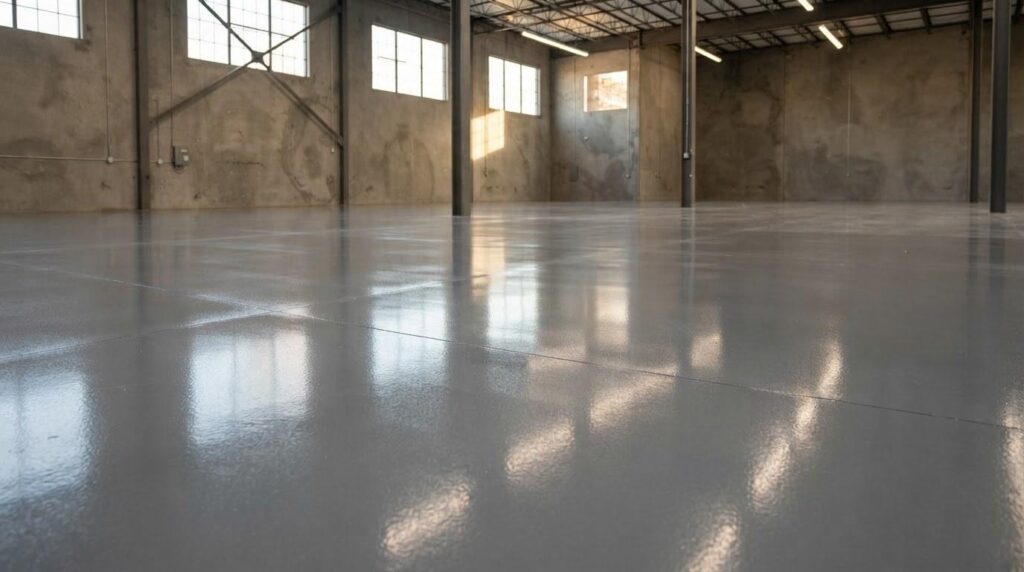
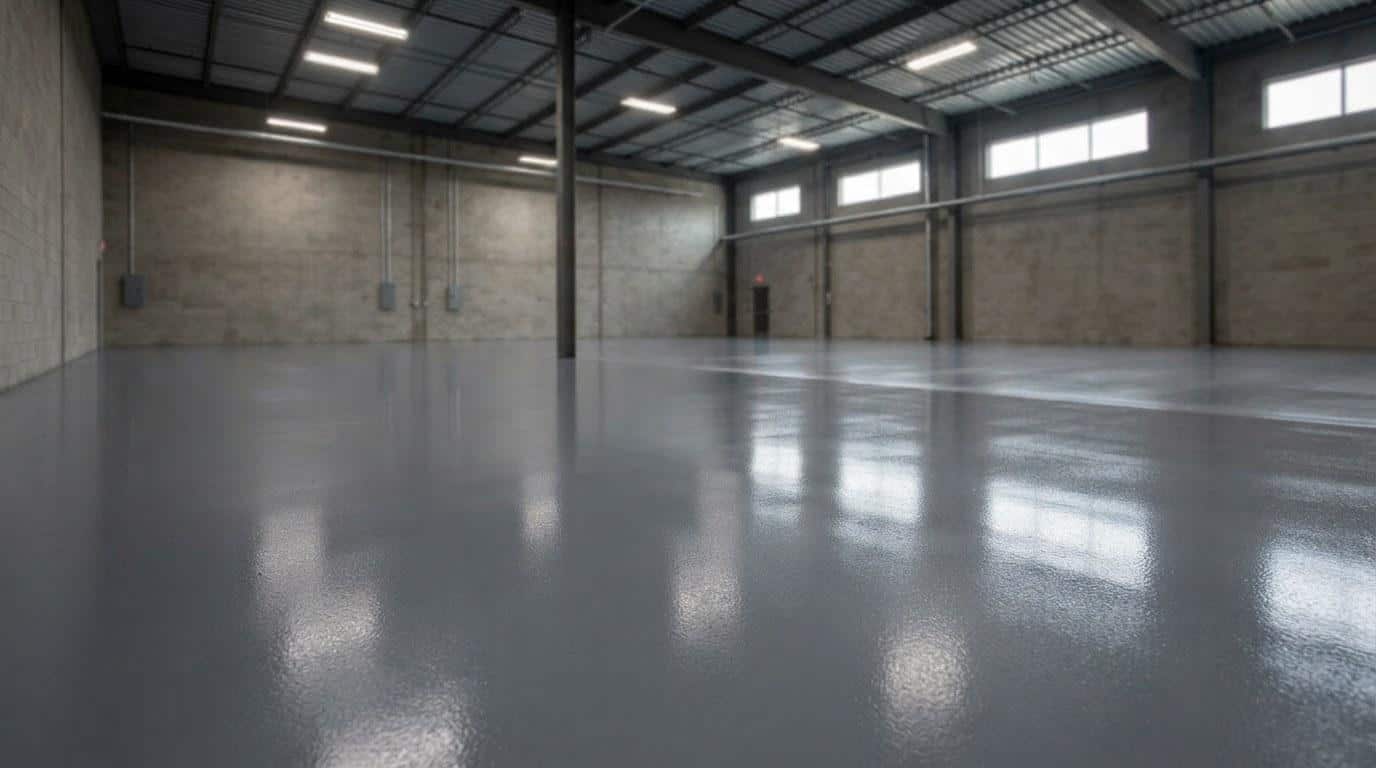
Commercial epoxy flooring cost in the California regional market typically ranges from $3 to $12 per square foot, fully installed. Most mid-range commercial projects land between $4 and $7 per square foot. The exact number depends on the coating system chosen, the condition of the existing concrete, and the total square footage of the job.
These ranges reflect 2026 market conditions across California, where labor costs, material prices, and demand for durable flooring solutions have all shifted since 2022. A small retail space under 500 square feet will often carry a higher per-square-foot rate than a 10,000-square-foot warehouse, simply because mobilization and setup costs are spread across fewer square feet.
It is also worth noting that the 2025 commercial epoxy flooring cost per square foot varies by region within the state. Projects in high-cost labor markets like Los Angeles County tend to run 10 to 20 percent above statewide averages, while projects in less dense areas may come in closer to the floor of the range.
What Factors Affect Commercial Epoxy Flooring Cost?
Six core variables move the price of a commercial epoxy project up or down. Understanding them lets you spot whether a quote is realistic before you sign anything.
- Floor condition and prep work: Concrete that is cracked, contaminated with oil, or previously coated requires shot blasting, grinding, crack filling, or chemical stripping before any epoxy is applied. Prep work alone can add $1 to $3 per square foot to the total.
- Coating system and number of layers: A single-coat solid epoxy is the most affordable option. A full broadcast flake system with a base coat, flake broadcast, and clear topcoat involves three or more layers. Industrial systems with a primer, body coat, and urethane topcoat add material and labor time.
- Epoxy thickness (mil rating): Commercial floors typically receive coatings between 10 and 30 mils thick. Thicker coatings use more material and take longer to cure, usually 24 to 72 hours depending on the product and ambient temperature.
- Square footage: Larger projects lower the per-square-foot rate because fixed costs like equipment, travel, and setup are spread across more area. A 500-square-foot job costs more per square foot than a 5,000-square-foot job using the same system.
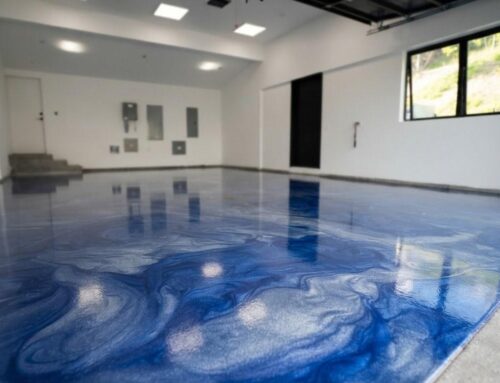
- Decorative complexity: Metallic epoxy finishes, custom color blending, logos, and geometric patterns require more skilled labor and specialty materials, pushing costs toward the higher end of the range.
- Curing and downtime requirements: Some businesses need overnight or weekend work to avoid shutting down operations. Off-hours scheduling can add a premium of 10 to 25 percent over standard daytime rates.
How Do Different Epoxy Systems Compare in Price?
Not all epoxy floors are built the same. The system you choose determines both the upfront cost and how long the floor performs before it needs recoating or repair. The table below shows typical market ranges for the most common commercial epoxy systems in California as of 2026.
| System Type | Typical Market Range (Installed) | What Is Usually Included |
|---|---|---|
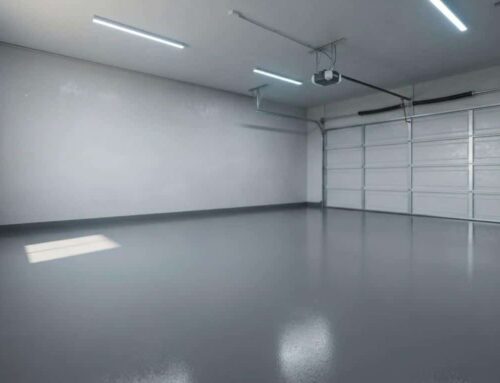
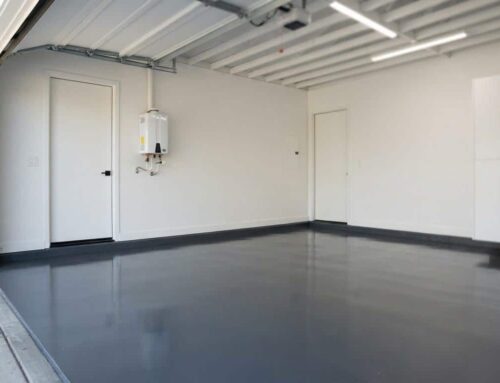
| Solid Color Epoxy (single coat) | $3 to $5 per sq ft | Surface prep, one epoxy coat, basic sealer |
| Solid Epoxy with Topcoat (2-coat system) | $4 to $6 per sq ft | Surface prep, base coat, polyurethane or polyaspartic topcoat |
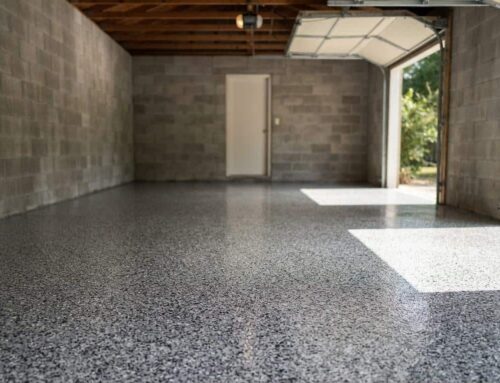
| Flake and Chip Broadcast System | $5 to $8 per sq ft | Prep, base coat, vinyl flake broadcast, clear topcoat |
| Metallic and Artistic Epoxy | $7 to $12 per sq ft | Prep, metallic pigment base coat, clear topcoat, custom design work |
| Industrial Multi-Layer System | $6 to $10 per sq ft | Shot blast prep, primer, thick body coat, chemical-resistant topcoat |
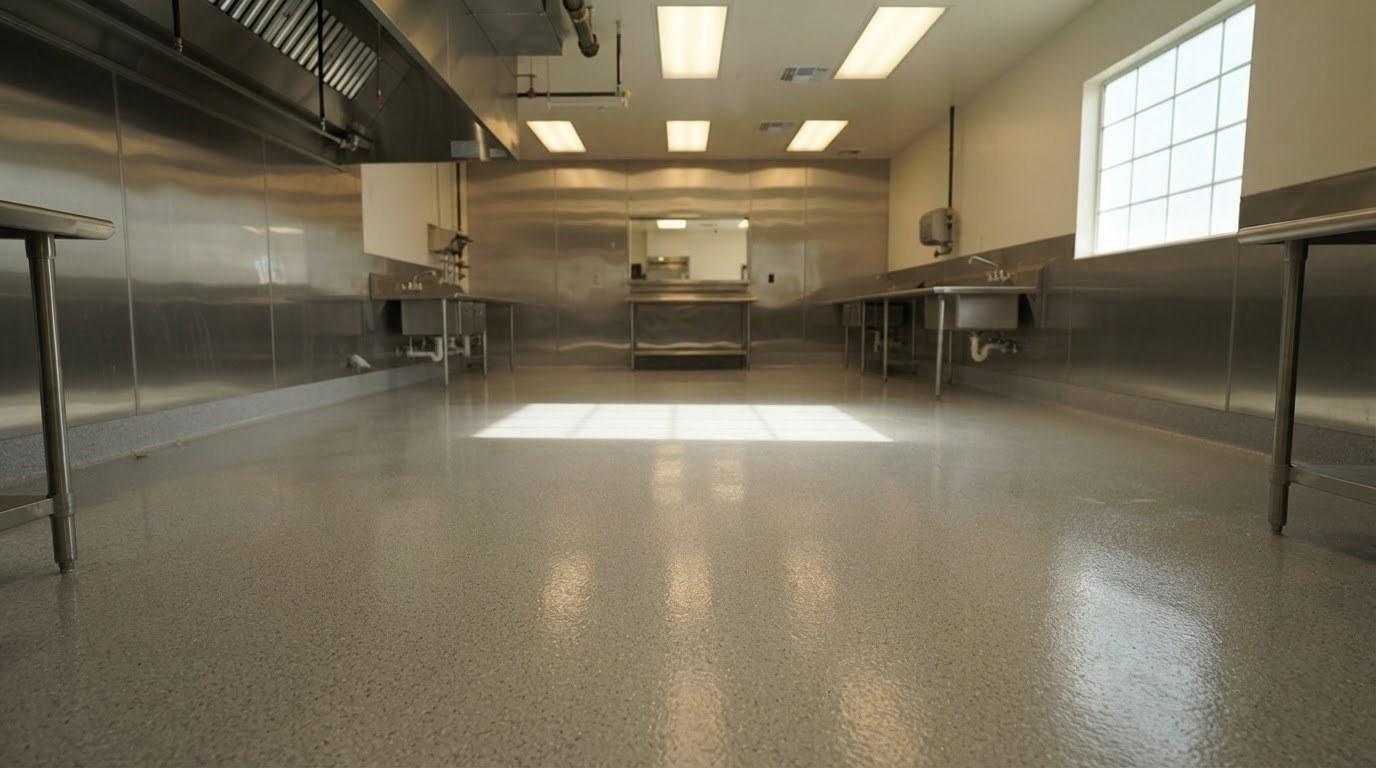
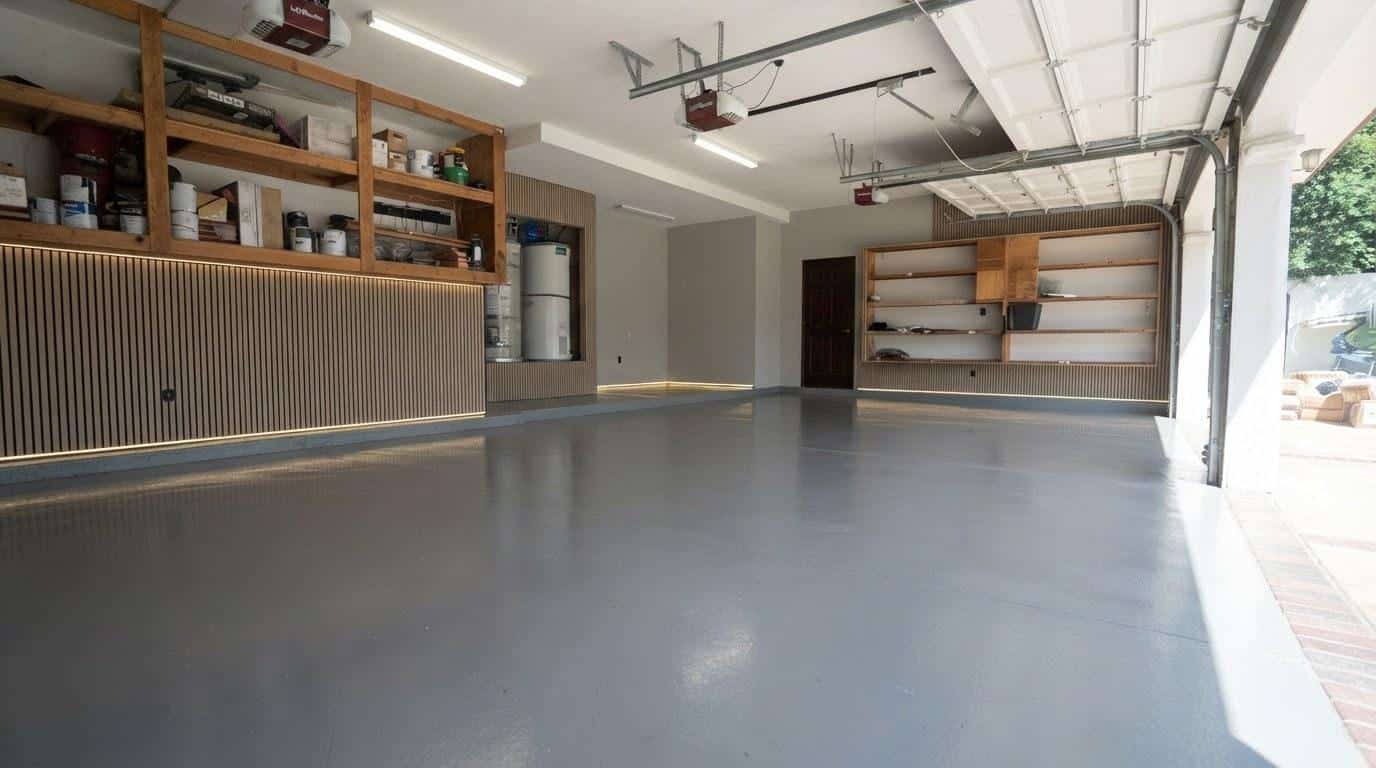
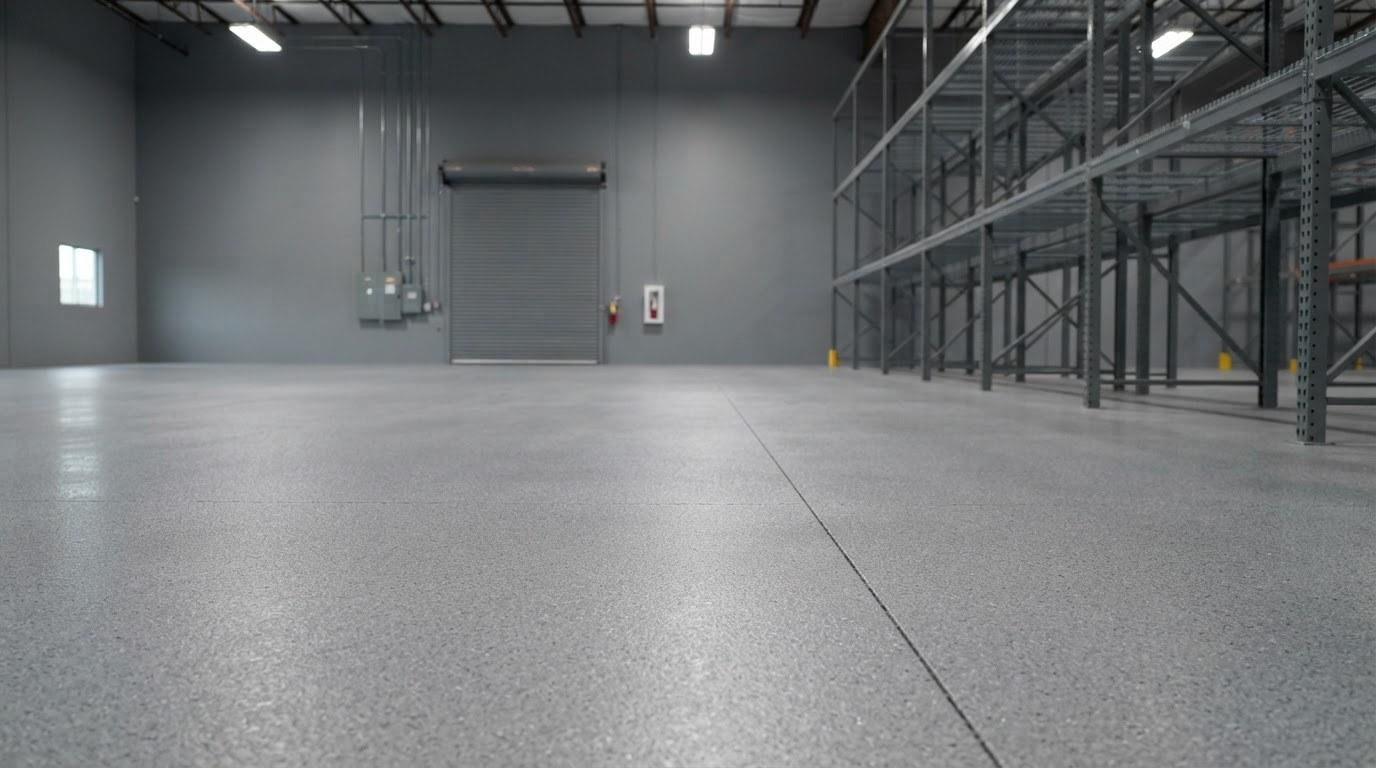
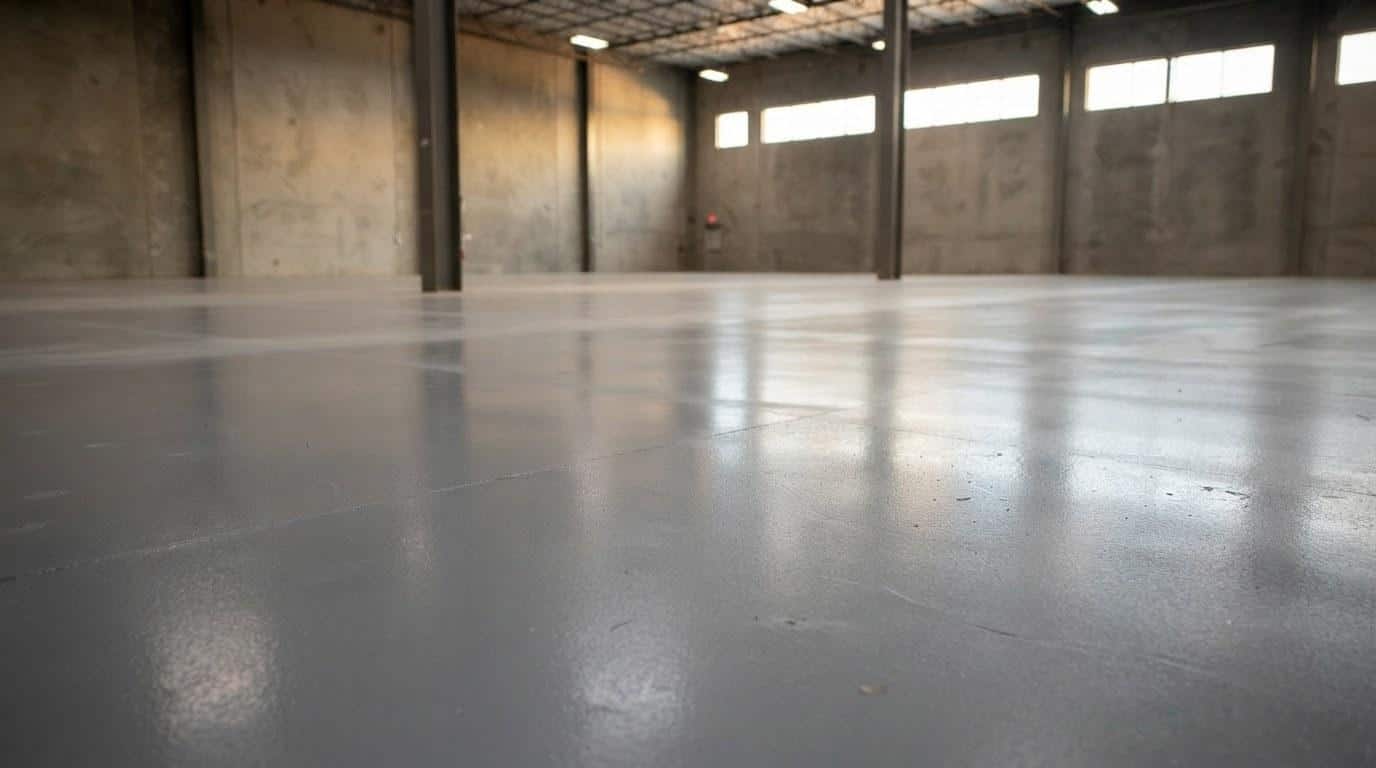
Flake and chip systems are the most popular choice for retail, auto showrooms, and commercial garages because they hide imperfections well and provide a slip-resistant texture. Metallic systems are common in restaurants, lobbies, and showrooms where aesthetics matter as much as durability. Industrial multi-layer systems are designed for warehouses, manufacturing floors, and facilities that see forklift traffic or chemical exposure.
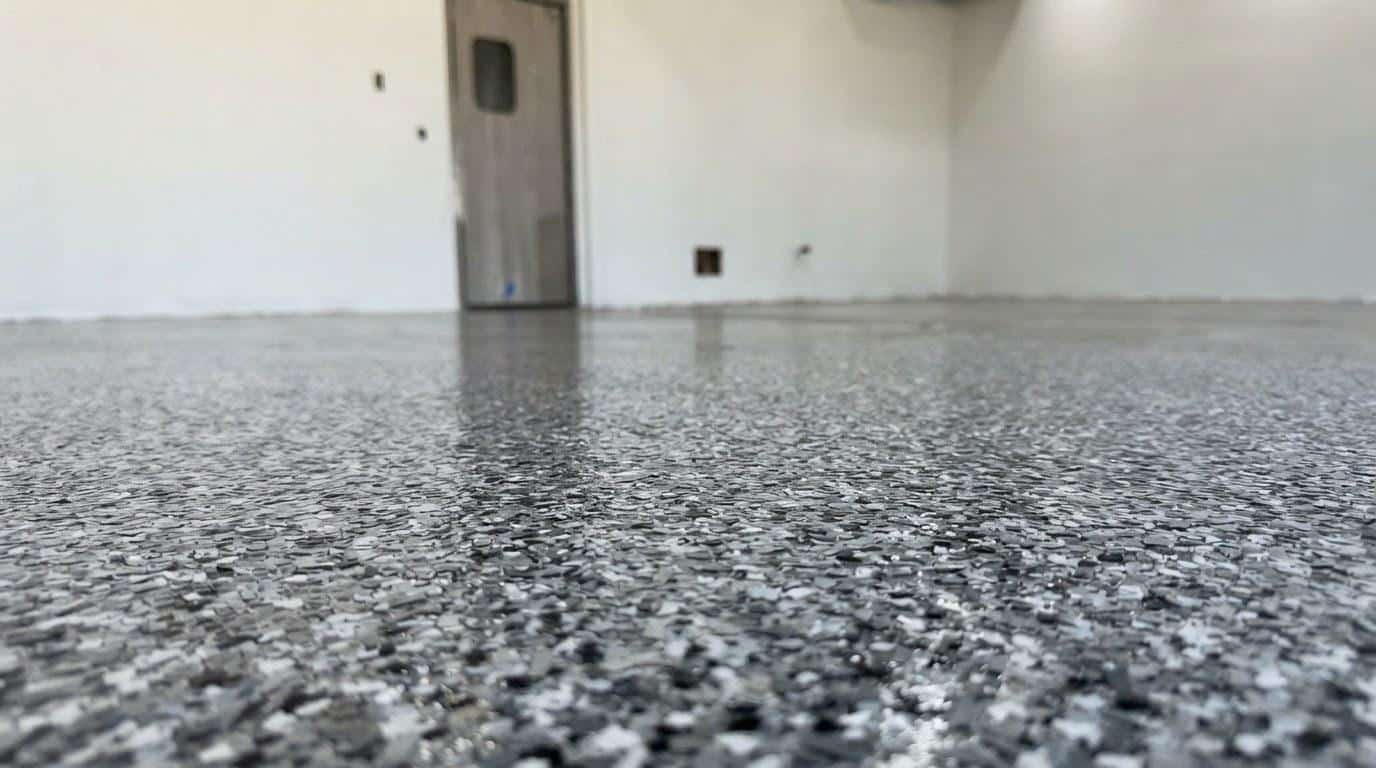
Our crews see a consistent pattern on commercial flake jobs: the concrete near loading dock doors and heavy-traffic entry points almost always needs more aggressive prep than the rest of the floor, which is something a walk-through inspection will catch before the quote is finalized.
What Is NOT Included in a Standard Epoxy Flooring Quote?
Most standard epoxy quotes cover materials, labor, and basic surface prep. Several common add-ons are billed separately and can surprise business owners who are comparing quotes side by side.
- Moisture mitigation: Concrete slabs in California can have high moisture vapor emission rates, especially in older buildings. If a moisture test reveals levels above the coating manufacturer’s threshold (typically above 3 pounds per 1,000 square feet per 24 hours), a moisture barrier coat is required and is usually priced separately.
- Crack and joint repair: Filling control joints, expansion joints, or surface cracks with epoxy mortar or polyurea is almost always an add-on line item.
- Removal of existing coatings: If the floor has paint, a previous epoxy coating, or adhesive residue, stripping or grinding it off adds time and cost before the new system can go down.
- Custom logos or markings: Safety striping, company logos, directional arrows, and color-coded zones are decorative extras that require stenciling or masking and are quoted separately.
- Anti-static or conductive coatings: Facilities that handle electronics or flammable materials may require ESD-rated (electrostatic dissipative) coatings, which use specialty materials not included in standard systems.
- Permits: Most epoxy flooring projects in California do not require a building permit, but some tenant improvement projects in leased commercial spaces may require landlord approval or a permit depending on local jurisdiction rules. Always confirm with your contractor.
How Do You Get an Accurate Commercial Epoxy Quote?
An accurate quote requires an in-person site visit, not just a square footage number sent over email. Contractors who quote without seeing the floor are guessing on prep costs, which is where most budget surprises come from.
Before scheduling a walkthrough, gather the following information so the estimator can give you a complete and realistic number:
- Measure the total square footage of the area to be coated, including any odd-shaped sections, ramps, or mezzanine areas.
- Note the current floor condition. Are there visible cracks, stains, previous coatings, or areas of spalling? Take photos if possible.
- Identify the building age. Concrete slabs poured before 1990 in California may contain higher levels of contaminants or have been sealed with products that affect adhesion.
- Know your downtime tolerance. How many hours or days can the space be closed? This affects which curing systems are viable. Polyaspartic topcoats, for example, can return to light foot traffic in as little as 4 to 6 hours, while standard epoxy body coats typically need 24 hours before foot traffic and 72 hours before vehicle traffic.
- Define the performance requirements. Will the floor see forklift traffic, chemical spills, heavy foot traffic, or primarily light commercial use? This determines the minimum coating thickness and system type needed.
- Ask about moisture testing. A reputable contractor will either perform a calcium chloride or relative humidity probe test or ask for existing test results before finalizing the quote.
Contractors who are licensed by the California Contractors State License Board (CSLB) are required to provide written contracts for jobs over $500, which means your quote should itemize prep, materials, labor, and any applicable add-ons separately. Comparing quotes line by line is far more useful than comparing total numbers.
Is Commercial Epoxy Flooring Worth the Investment?
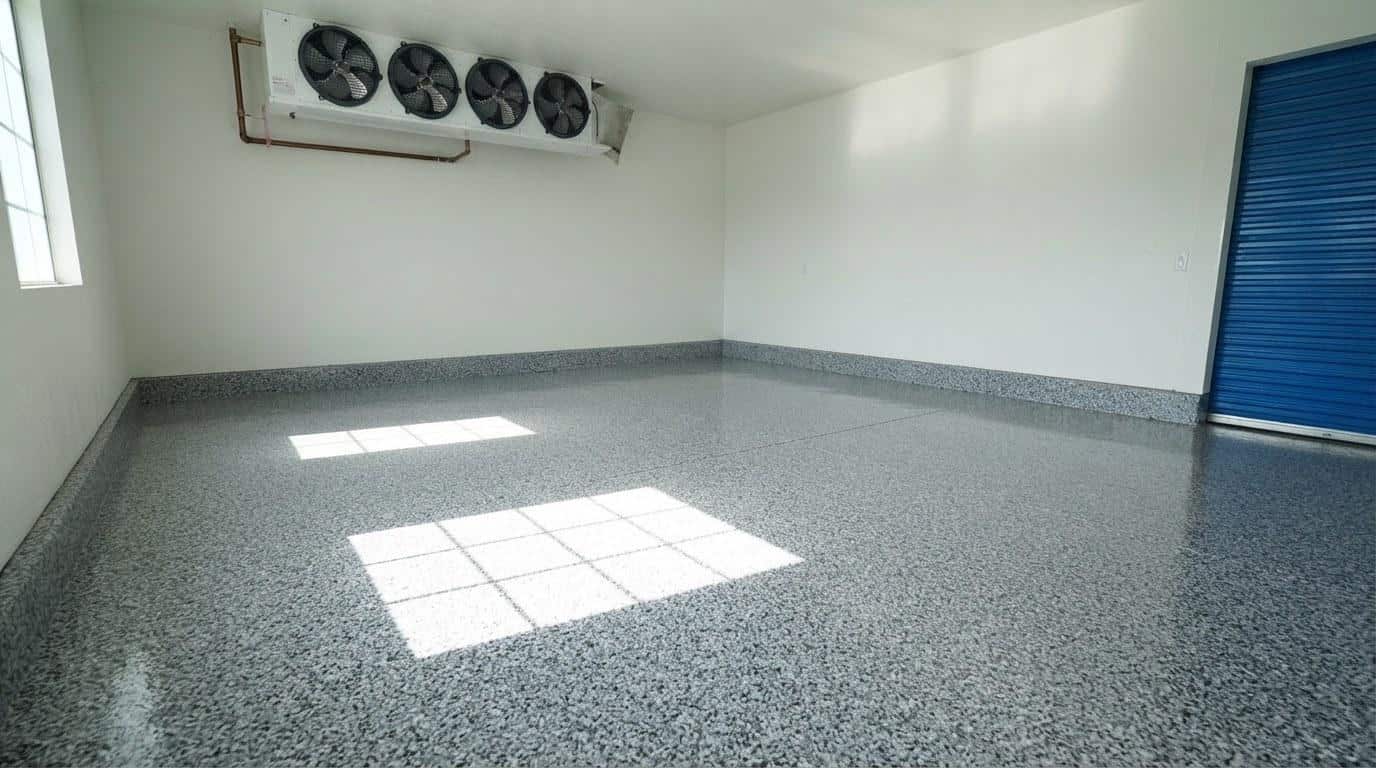
For most commercial applications, epoxy flooring delivers a strong return compared to alternatives like vinyl tile, polished concrete, or painted concrete, primarily because of its lifespan and low maintenance cost. A properly installed epoxy system on a commercial floor can last 10 to 20 years with routine cleaning and periodic topcoat refreshes.
A properly installed epoxy system on a commercial floor can last 10 to 20 years with routine cleaning and periodic topcoat refreshes.
Epoxy is also one of the few flooring systems that can be applied directly over existing concrete without raising the floor height significantly. A standard commercial epoxy system adds roughly 10 to 30 mils of thickness, which is less than 1/16 of an inch. That matters in facilities with tight clearances at dock doors, roll-up doors, or existing transitions.
From a safety standpoint, broadcast flake and chip systems create a naturally textured surface that meets or exceeds the OSHA walking-working surface standards for slip resistance in commercial environments. Anti-slip additives can be mixed into any topcoat to increase the coefficient of friction further for wet or high-traffic areas.
Maintenance costs are also significantly lower than many alternatives. Epoxy floors require only periodic sweeping and damp mopping with a pH-neutral cleaner. There is no grout to stain, no tile to pop, and no wood to warp. Over a 10-year period, the total cost of ownership for an epoxy floor is often lower than vinyl composition tile or carpet, even when the upfront installation cost is higher.
California businesses that are upgrading flooring as part of a tenant improvement project should also check whether the work qualifies for any energy or building improvement incentives. While flooring itself is not covered by the Inflation Reduction Act federal tax credit programs, it is sometimes bundled into broader capital improvement projects that do qualify for depreciation benefits under IRS Section 179.
Request a Custom Commercial Epoxy Quote in Los Angeles
The market ranges in this guide give you a solid baseline for budgeting, but your actual project cost depends on your specific floor, your system choice, and your timeline. Generic per-square-foot averages cannot account for a floor with moisture issues, an unusual layout, or a tight completion window.
Five Star Epoxy and Coatings works with commercial clients across Los Angeles County and surrounding California communities on projects ranging from small retail suites to large industrial facilities. Whether you need a durable solid epoxy finish, a decorative metallic floor for a showroom, or a heavy-duty industrial coating for a warehouse, the right starting point is a site visit and a written, itemized quote.
Call (818) 355-3804 to schedule your commercial flooring consultation. Have your square footage, a description of the current floor condition, and your preferred timeline ready, and the team can give you a realistic range before any work begins.
Frequently Asked Questions
How much does commercial epoxy flooring cost per square foot in California right now?
In the California regional market as of 2026, commercial epoxy flooring typically costs between $3 and $12 per square foot installed. Basic solid-color systems start around $3 to $5 per square foot, while decorative metallic or multi-layer industrial systems run $7 to $12. The biggest variables are floor prep requirements and the coating system chosen.
How long does a commercial epoxy floor take to cure before we can reopen?
Most commercial epoxy body coats require 24 hours before foot traffic and 72 hours before vehicle or forklift traffic. Polyaspartic topcoats cure faster and can allow light foot traffic in as little as 4 to 6 hours. Your contractor should confirm cure times based on the specific products used and the ambient temperature in your facility.
Does commercial epoxy flooring require a permit in California?
Most standalone epoxy flooring installations do not require a building permit in California. However, if the work is part of a larger tenant improvement project or involves structural changes, a permit may be required by the local jurisdiction. Always confirm with your contractor and, if needed, your local building department before work begins.
How long does commercial epoxy flooring last in a high-traffic business?
A properly installed commercial epoxy system in a high-traffic environment typically lasts 10 to 20 years with routine maintenance. Periodic topcoat refreshes, usually every 5 to 7 years in heavy-use areas, can extend the life of the underlying system significantly. Floor prep quality at installation is the single biggest factor in long-term durability.
What is the difference between epoxy and polyaspartic flooring for a commercial space?
Epoxy is the base coating system most commonly used for commercial floors because of its strength and chemical resistance. Polyaspartic is typically used as a topcoat over epoxy because it cures faster, resists UV yellowing, and provides a harder wear surface. Many commercial systems use both: an epoxy base for build and adhesion, and a polyaspartic topcoat for durability and fast return to service.